Introduction to the Montessori Method
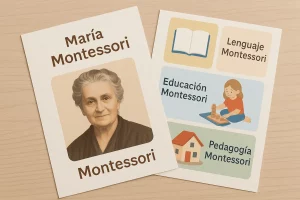
In today’s world, many parents and educators are searching for effective educational resources for their children. Common searches such as “Montessori near me” and “Montessori school near me” reflect a growing global interest in accessible Montessori programs. This method, developed by María Montessori, emphasizes child-led learning, independence, and respect for a child’s natural development.
Our website offers a Montessori locator to help families find local resources and schools, along with international examples that showcase the method’s adaptability and effectiveness. For instance, in Oberursel, Germany, parents can discover nearby Montessori options by visiting this link.
Core Principles of the Montessori Method
The Montessori method is founded on several key principles that distinguish it from traditional educational approaches. At the heart of this methodology are:
- Child-Centric Learning: Children are seen as active participants in their learning journey, capable of directing their own education.
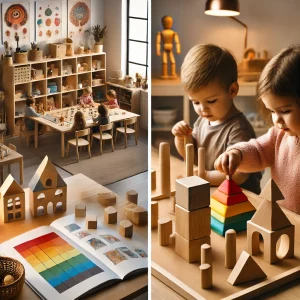
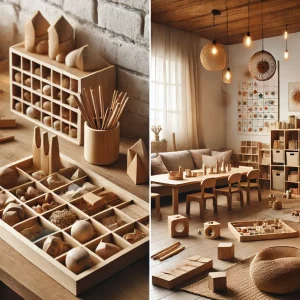
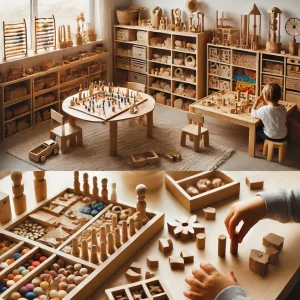
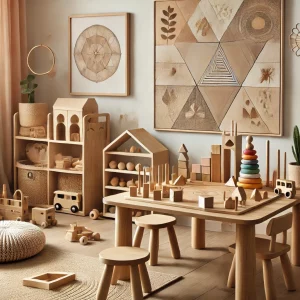
- Prepared Environment: The learning environment is thoughtfully designed to enable exploration, discovery, and independence.
- Mixed-Age Classrooms: Learners of various ages can interact, fostering peer learning and mentorship.
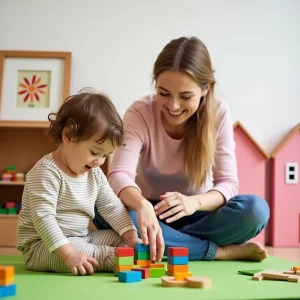
- Hands-On Learning: Children engage with materials that allow them to explore concepts through tactile experiences.
- Respect for the Child: Educators and parents view children as individuals with unique capabilities and interests.
Montessori Autonomy at Home: A Morning Routine
To illustrate the Montessori method in a real-life scenario, let’s consider a morning routine at home. Imagine a young child waking up independently without an alarm. In a Montessori-inspired household, the child’s bedroom is equipped with self-care tools within reach, such as a step stool for the toilet and clothing they can easily access. This autonomy encourages the child to dress themselves, choose their breakfast from nutritious options, and prepare their meal with minimal adult assistance.
By allowing the child to manage their morning routine, we foster a sense of responsibility and independence. This embodiment of the Montessori principle empowers children to take charge of their day, increasing self-confidence and promoting initiative. Educators can encourage such practices at home and school as a practical application of the pedagogía Montessori.
Mixed-Age Classrooms: Collaboration and Community
Next, let’s explore a mixed-age classroom scenario in a Montessori school. In this setting, you’ll find children ranging from ages 3 to 6 learning together. Younger children are inspired by the older ones, who naturally take on leadership roles as they demonstrate activities and share knowledge. For example, an older student might show a younger peer how to properly care for a plant or make a simple art project.
This collaboration allows for both age groups to learn from one another. Younger children benefit from the guidance of older classmates, while older students reinforce their understanding by teaching. Such interactions cultivate a community of respect and nurturing, hallmarks of the Montessori philosophy. You can learn more about how this approach transforms education by reviewing this comprehensive guide.
Benefits of the Montessori Method
The Montessori method has garnered a considerable following due to its numerous benefits for children’s development. Here are some of the advantages associated with this educational approach:
- Enhanced Independence: Children learn to take initiative in their learning and daily tasks.
- Improved Concentration: Montessori environments support sustained concentration and engagement with materials.
- Emotional Growth: The focus on respect and cooperation nurtures empathy and emotional intelligence.
- Holistic Development: The Montessori method emphasizes cognitive, social, emotional, and physical development, allowing for well-rounded growth.
Montessori Resources for Parents and Educators
For parents and educators keen to explore and implement the Montessori method, our Montessori Maria website and its AI assistant MarÍA serve as valuable resources. Here, you will find articles, practical guides, and community discussions to enrich your understanding of the Montessori philosophy. Check out this comprehensive guide for more insights.
Conclusion
In summary, the Montessori method offers a refreshing approach to education that promotes independence, critical thinking, and a lifelong love for learning. With the growing interest in Montessori education, inspired by searches like “Montessori near me,” families are eager to access information and resources that support their children’s educational journeys. Whether you are a parent trying to integrate Montessori principles at home or an educator seeking to implement these practices in the classroom, understanding the core tenets of the method is essential. For further reading, explore this article on exploring Montessori and continue your journey into the transformative potential of Montessori pedagogy.