Understanding the Montessori Approach
Many families begin their exploration of education by searching for “Montessori near me” or “Montessori school near me”. The curiosity surrounding Montessori pedagogy often leads parents and educators to discover the profound impact it can have on a child’s development. Our website provides a global Montessori locator at Montessori near me, making it easier for families to find local resources. For instance, families in Oberursel, Germany can check out our local examples at this link.
Pedagogical Principles of Montessori
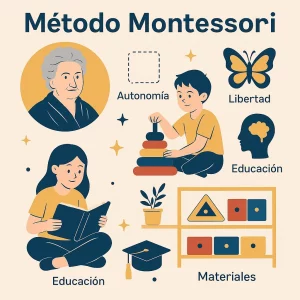
Montessori pedagogy is built upon key principles that guide educators in creating supportive and enriching learning environments. These principles include the prepared environment, autonomy, observation, and sensory learning. In this article, we will delve into each principle, providing real-life applications and examples that can be utilized in both traditional and Montessori settings.
The Prepared Environment
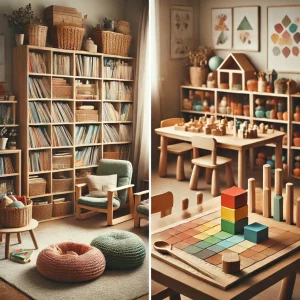
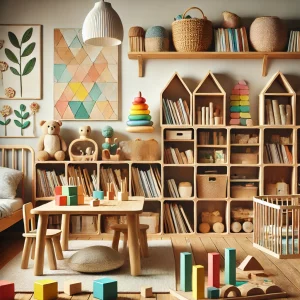
The prepared environment is a fundamental concept in Montessori education, emphasizing the importance of an organized and thoughtfully arranged space that promotes engagement and independence. To apply this principle in a traditional classroom setting, consider rearranging the furniture to create defined learning areas. For example, a reading corner equipped with comfortable seating and a variety of books can invite quiet exploration for students. Transitioning to a Montessori-inspired classroom, teachers can arrange materials on accessible shelves and ensure that each item is beautifully presented and suited for hands-on learning. This creates an environment that not only draws children in but also encourages them to take charge of their learning experiences.
Autonomy
Autonomy is a cornerstone of Montessori pedagogy, allowing children to make choices about their learning. In traditional settings, autonomy can be fostered by offering students options for projects or activities they wish to pursue. For instance, a teacher could present three different topics for a research project, allowing students to choose their focus area. In a Montessori environment, autonomy is inherent in the structure. For example, a student teacher planning their first Montessori environment might present a range of practical life activities, such as pouring, cleaning, or planting, allowing children to engage with materials that interest them, thereby developing their individual skills.
Observation
Observation is critical in understanding children’s needs and interests. For educators, observing students in a traditional classroom can mean assessing their engagement during group activities and noting which subjects spark curiosity. By identifying these areas, teachers can tailor instruction to better fit their students’ needs. In the Montessori approach, observation is more systematic and intentional. For instance, a teacher might spend time simply watching how students interact with specific materials and their peers, gaining insight into their progress and capabilities without interrupting their natural learning flow.
Sensory Learning
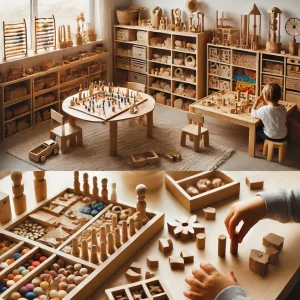
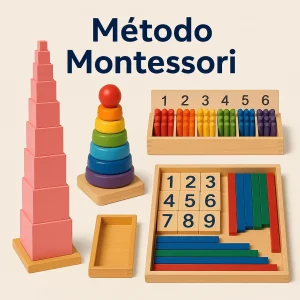
Sensory learning is profoundly integrated within the Montessori method. In traditional classrooms, this can be introduced through tactile materials, such as incorporating clay or textured fabrics during art projects. In contrast, a Montessori classroom fully embraces sensory learning through specialized materials that promote hands-on experiences. For example, a child could use geometrical shapes not only to learn mathematics but also to explore tactile differences that further their understanding. This deeply enriches their learning process, allowing concepts to be internalized through multiple senses.
Putting Montessori Principles into Practice
As we have seen, the Montessori method is flexible and can be adapted in various educational settings. For parents considering enrollment for their children, it’s essential to understand how these principles play out in practice. Implementing these ideas at home or in classroom settings can initiate a journey toward a more self-directed and engaging learning experience.
Adapting a Traditional Classroom
A teacher who wants to transition a traditional classroom to incorporate Montessori principles may start by conducting a classroom layout assessment. By grouping desks into circles or clusters, they can create a more collaborative environment. They may also introduce “workstations” where students can engage in self-directed activities that align with curriculum goals. The process could involve not only designing the physical space but also sourcing materials that encourage discovery and exploration, aligning efforts with the guidelines from our complete guide on Montessori pedagogy.
Planning a First Montessori Environment
For student teachers embarking on their first Montessori environment, careful planning is vital. This process might include selecting specific materials that cater to different areas of development such as practical life, language, and math. Additionally, involving children in the setting up of the classroom fosters a sense of ownership and responsibility. Throughout this process, one can learn more about the philosophy by exploring the introduction to Montessori pedagogy.
Continuous Learning and Resources
For parents, educators, and teacher-training students eager to deepen their understanding of Montessori pedagogy, ongoing learning is crucial. Websites such as the Montessori Maria website offer a wealth of resources, including articles, materials, and local support systems to aid in your Montessori journey.
The importance of connecting with others in the Montessori community cannot be understated. Engage with local Montessori schools or educators through the Montessori locator tool. Sharing experiences and insights can enhance your understanding of how to effectively implement the Montessori methodology in various contexts.
Recent Articles for Further Reading
To expand your knowledge, consider reading some of our latest articles such as:
Understanding Montessori Education: A Comprehensive Guide, Understanding the Montessori Method for Parents and Educators, Understanding Maria Montessori: A Guide for Parents and Educators, Understanding Montessori: A Guide for Parents, and Montessori Schools Near Yoder Town, WY.
Conclusion
Montessori pedagogy offers a unique approach to education that inspires autonomy, observation, and sensory learning in children. By understanding and implementing these principles, parents and educators can transform traditional classrooms into environments that foster self-directed learning and holistic development. As the exploration of Montessori continues, it is vital to seek out resources and support from communities dedicated to this transformative educational philosophy.