The Growing Interest in Montessori: A Reflection of Global Needs
In recent years, we have witnessed a surge in searches like “Montessori near me” and “Montessori school near me”. These queries highlight the increasing desire for accessible Montessori resources and education around the globe. Parents and educators are recognizing the value of the Montessori method and its principles, leading them to seek out options in their local areas. Our website offers a comprehensive Montessori locator that connects families with institutions worldwide, including examples like our Montessori schools in Oberursel, Germany. This accessibility is crucial in a world where educational choices can vary significantly from one region to another.
Fundamental Principles of the Montessori Method
Developed by Dr. María Montessori, the Montessori method is built on several core principles that prioritize child-led learning, mixed-age classrooms, and a thoughtfully prepared environment. The essence of this approach is to foster independence, critical thinking, and a love for learning in children.
Child-Centered Learning
At the heart of the Montessori philosophy is the belief that children learn best when they take the lead in their education. This autonomy is encouraged through a variety of tactile and engaging materials that cater to different learning styles. Children are free to choose their activities, allowing them to explore their interests and develop a natural curiosity about the world around them. As educators, it is crucial to observe and guide rather than direct the child’s learning journey.
Mixed-Age Classrooms
In a Montessori setting, children of varying ages commonly learn together. This structure promotes collaboration, empathy, and mentorship, providing older students the opportunity to teach and support their younger classmates. Such an environment fosters a sense of community and belonging, where children can learn from one another and share diverse perspectives.
Real-Life Applications of the Montessori Method
To better understand the Montessori method in practice, let’s explore two real-life scenarios: a morning routine at home and a mixed-age classroom setting at school.
A Montessori Morning Routine at Home
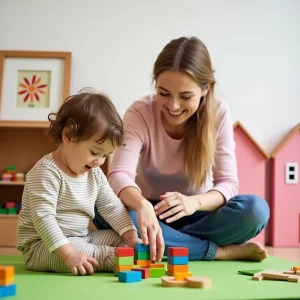
Imagine a typical weekday morning in a Montessori household. The alarm goes off at 7 a.m., and rather than rushing or directing their child, the parents create an environment conducive to independence. The child has a set area for their clothes and is encouraged to dress themselves. Age-appropriate tasks, such as pouring cereal or washing fruits, are placed at their height for easy access. Parents might present various options for breakfast, allowing the child to choose what they feel like eating.
This scenario exemplifies the autonomy aspect of the Montessori method. The child learns to make choices that influence their daily routine, fostering confidence and independence. Parents are supportive but allow their child the freedom to engage in self-care and decision-making, vital elements in the Montessori philosophy.
A Mixed-Age Classroom Scenario in a School
In a Montessori school, a mixed-age classroom allows children aged three to six years to learn together. On any given day, you may find a six-year-old helping a four-year-old with a puzzle while a five-year-old is focused on a hands-on math activity. The teacher’s role is to facilitate and observe rather than instruct. This model promotes social skills and encourages an environment where children learn from each other’s strengths and weaknesses.
Through these interactions, children develop empathy and communication skills. They learn to respect others’ learning processes, enhancing their own understanding of collaboration, problem-solving, and patience—all essential skills for lifelong learning.
The Importance of a Prepared Environment
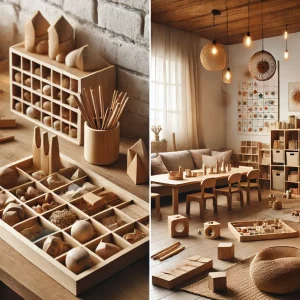
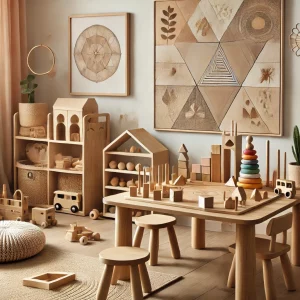
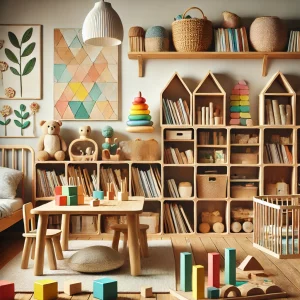
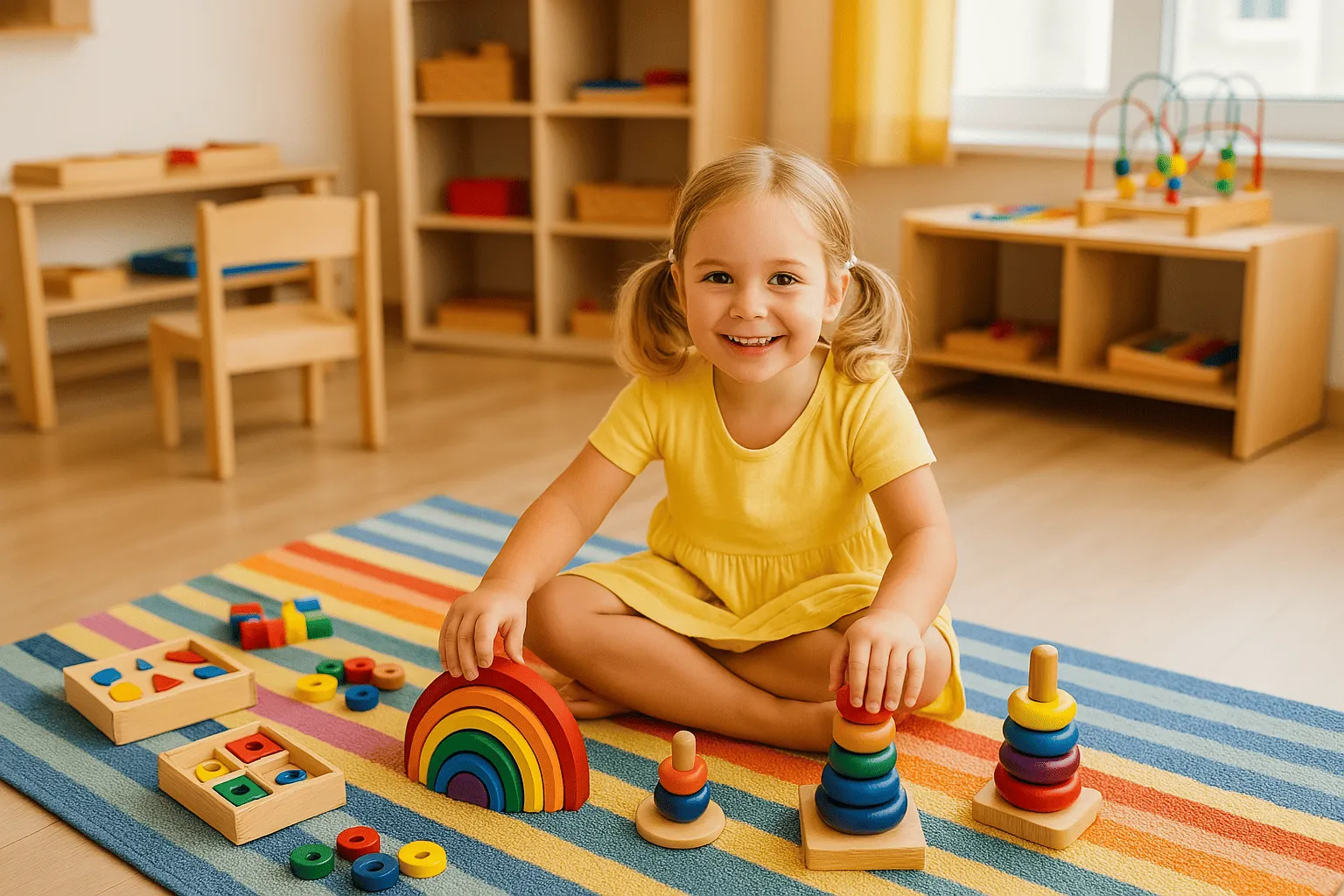
Critical to the Montessori method is the concept of a prepared environment. This carefully designed space is filled with educational materials that are both engaging and appropriate for the children’s developmental levels. The environment encourages exploration and creativity, allowing children to learn at their own pace. In addition, the layout should promote free movement, independence, and respect for the materials and each other. This principle is elaborated in great detail in the pedagogía Montessori.
How to Get Started with the Montessori Method
If you’re a parent or educator wanting to implement the Montessori method in your home or classroom, begin by familiarizing yourself with its core concepts. Todo lo que necesitas saber sobre el método Montessori outlines essential practices and philosophy. Through understanding these principles, you can create a nurturing environment that allows children to thrive.
Conclusion: Embrace the Montessori Method
As interest in the Montessori method continues to grow, it becomes imperative for parents and educators to explore its limitless possibilities. By emphasizing autonomy, collaboration, and a thoughtfully prepared environment, we can help nurture the next generation of independent thinkers and compassionate learners. Read more about Montessori education through articles such as this essential guide for parents and educators. We invite you to discover more resources and connect with our Montessori Maria website and its AI assistant MarÍA for personalized educational support. Explore options in your area with our Montessori locator to find a community that values this transformative educational approach.
In conclusion, embracing the Montessori method can greatly impact a child’s educational journey, empowering them with skills and confidence that last a lifetime. With available resources, communities, and our task-driven AI assistant, making Montessori education more accessible is within reach. Take that pivotal first step towards a fulfilling educational experience today!
End of Article