The Global Need for Accessible Montessori Resources
In today’s world, searching for “Montessori near me” or “Montessori school near me” has become increasingly common among parents and educators alike. These trending searches reflect a growing awareness and demand for the Montessori method, which emphasizes child-led learning and holistic educational principles. To support this global need, our website offers a Montessori locator and provides international examples of Montessori schools, making it easier for families to find resources in their localities or internationally, like the example of a Montessori school in Oberursel, Germany. This accessibility paves the way for a new generation to benefit from a child-centered educational approach.
What is the Montessori Method?
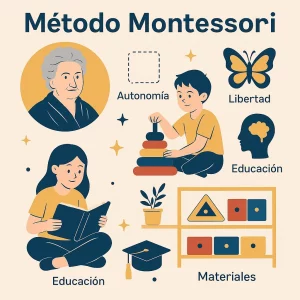
The Montessori method, developed by Dr. Maria Montessori, is a pedagogical approach that fosters independence, curiosity, and a love for learning in children. The core principles of the Montessori method advocate for an environment where children can explore, choose their activities, and learn at their own pace. The role of the educator transforms from a traditional instructor to a facilitator who guides and supports students in their educational journeys.
Fundamental Principles of Montessori Education
At the heart of the Montessori method are several key principles:
- Child-Centered Learning: Learning is tailored to the individual child’s interests and developmental stage. Each child is respected as a unique individual.
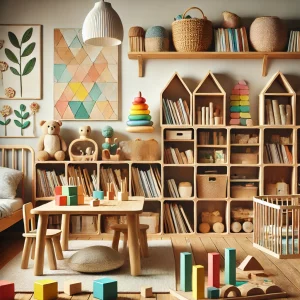
- Prepared Environment: Classrooms are designed to be inviting, with materials that encourage exploration and learning through hands-on experiences.
- Mixed-Age Classrooms: Students from different age groups learn together, fostering collaboration, mentorship, and social skills.
- Freedom Within Limits: Children are given the freedom to choose their activities but within a structured environment that promotes responsibility and respect for others.
- Intrinsic Motivation: The method encourages a deep-seated love of learning rather than a focus on external rewards or assessments.
Real-Life Situations: Montessori in Action
A Morning Routine at Home Using Montessori Autonomy
Implementing Montessori principles at home can be as simple as redesigning a morning routine. Imagine a scenario where a child wakes up and, instead of the parent rushing them through the morning, the child is encouraged to take charge. The child has access to a low shelf where they can pick out their clothes, brush their teeth, and prepare a simple breakfast, like pouring cereal or washing fruit. This setup not only fosters autonomy but also instills a sense of accomplishment and responsibility. By allowing children to choose their activities, they develop decision-making skills and feel more in control of their environment.
A Mixed-Age Classroom Scenario in a School
In a Montessori classroom, you may find a dynamic environment where children of various ages interact and learn together. For instance, a seven-year-old may help a four-year-old with a puzzle, encouraging both collaboration and mentoring. This diverse mix allows younger children to learn from older peers and fosters leadership qualities in older students. Such interactions build a community where children learn vital social skills while also cultivating a sense of belonging. The role of the teacher in this scenario is to observe and guide, stepping in only when necessary to support learning.
Diving Deeper: Understanding Montessori Principles
If you’re interested in understanding more about the Montessori method, you can explore todo lo que necesitas saber sobre el método Montessori. This comprehensive resource covers everything from the historical context to current practices in Montessori education.
Maria Montessori’s Legacy
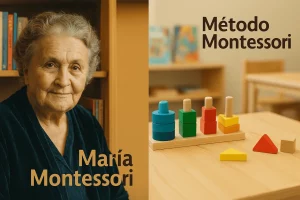
Maria Montessori was a pioneering figure in educational reform, and her legacy continues to influence education systems across the globe. Her work emphasized the importance of observing children and understanding their needs, leading to the development of her unique teaching strategies that cater to children’s natural learning processes. To learn more about her contributions and impact, consider reading about María Montessori.
The Benefits of Montessori Education
The Montessori method has been shown to have numerous benefits for children ranging from cognitive skills to emotional development. Research indicates that Montessori-educated children often demonstrate higher academic achievement, better social behavior, and a greater sense of community. The emphasis on practical life skills and real-world learning prepares them not just for academic success, but for life beyond the classroom.
Increasing Popularity and Access to Montessori Education
For parents seeking accessible Montessori resources, our Montessori locator can help you find schools in your area. Understanding the Montessori pedagogy can empower you as a parent or educator to make informed decisions about educational pathways for the children in your life. For a comprehensive guide on the Montessori pedagogy that reflects these transformative educational strategies, you can refer to pedagogía Montessori.
Montessori Resources and Community Support
Our commitment to spreading awareness about the Montessori method extends beyond just educational institutions. We also provide resources for parents and educators through our articles, workshops, and our innovative Montessori Maria website and its AI assistant MarÍA. MarIA is designed to assist parents in navigating the world of Montessori education, answering common questions, and offering personalized suggestions based on individual needs.
Continuing Your Montessori Journey
As you continue to explore the wondrous world of the Montessori method, I encourage you to delve deeper into the literature available on our site. For instance, you can access our guide tailored for parents seeking educational freedom for their children here. This guide not only helps you understand the essence of Montessori education but also empowers you to create a nurturing environment at home.
Conclusion
In conclusion, the Montessori method is more than just a teaching style; it is an educational philosophy that fosters a love for learning, independence, and respect for others. As interest in Montessori education continues to grow, so does the need for accessible resources that aid parents and educators in embracing this approach. We encourage you to explore our articles for deeper insights, such as our comprehensive guide to understanding the Montessori method here. Whether you’re looking for local Montessori schools or seeking to implement Montessori principles in your home, there’s a wealth of information available to guide you on this rewarding educational journey.