Introduction to the Montessori Method
In the age of information and education, many parents and educators turn to the internet to seek resources that align with their educational philosophy. Popular searches like “Montessori near me” and “Montessori school near me” illustrate a growing demand for accessible Montessori resources, reflecting the global interest in this unique and child-centered approach to education. Our website offers a Montessori locator that helps families and educators connect with local Montessori schools and resources, including real-world examples from various countries, such as the Montessori initiatives in Oberursel, Germany (Montessori in Oberursel).
Fundamental Principles of the Montessori Method
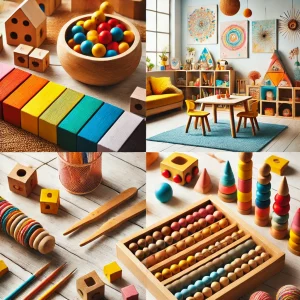
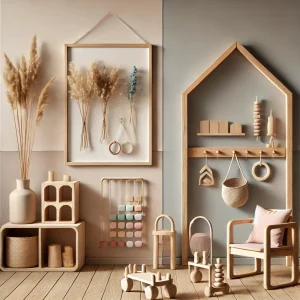
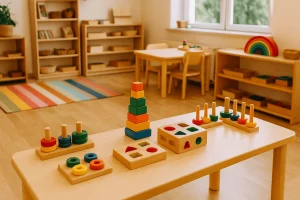
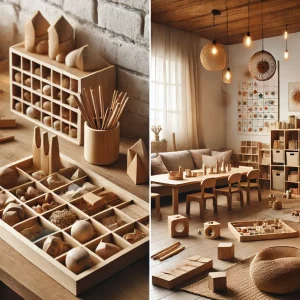
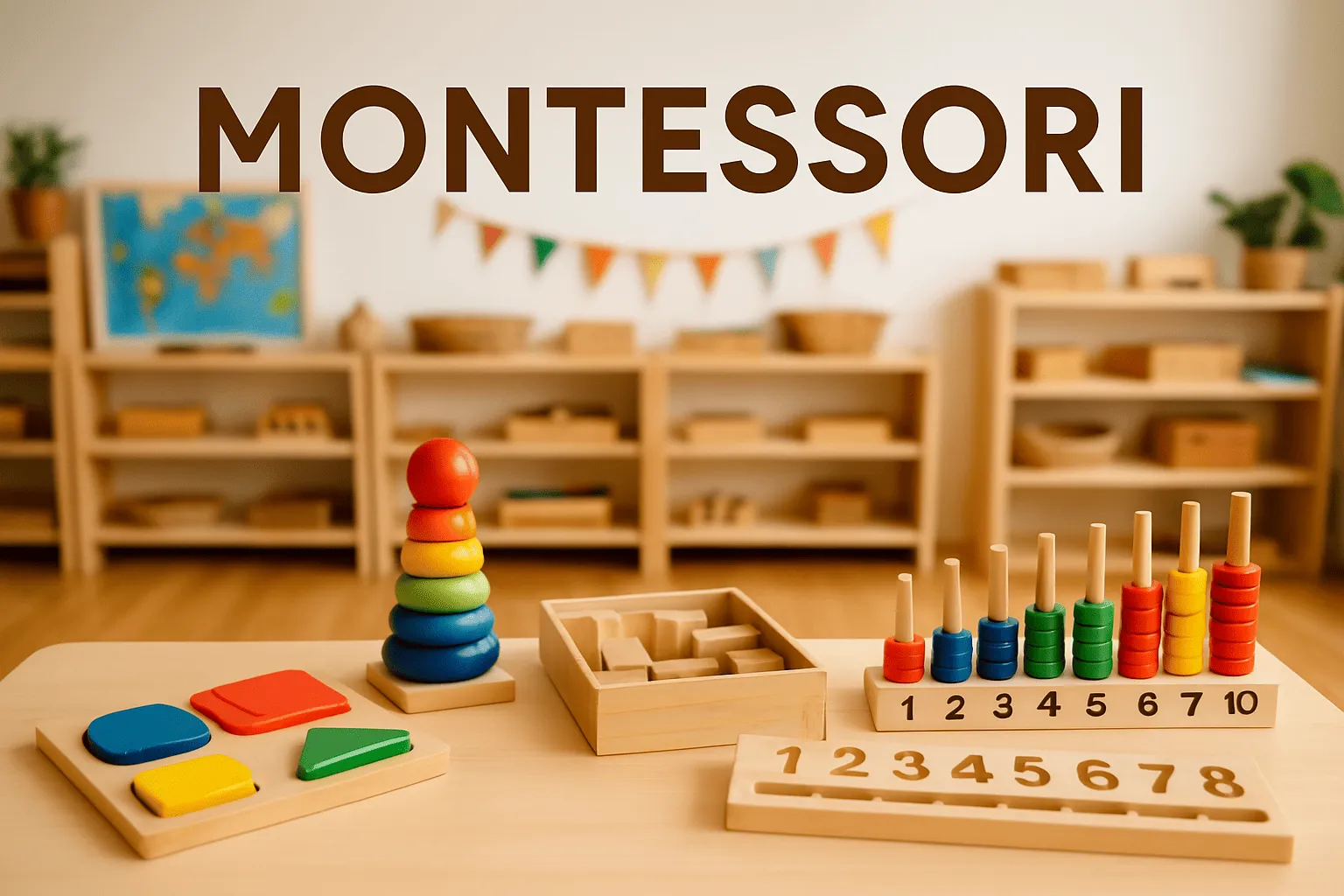
The Montessori method, developed by Dr. María Montessori, emphasizes child autonomy, respect for the child’s natural psychological, physical, and social development, and the importance of a prepared environment. The core belief of this approach is that children learn best when they are free to explore and engage with their environment at their own pace. This requires a structured yet flexible environment, where materials are accessible and designed to foster independent learning.
Child-Centered Learning Environment
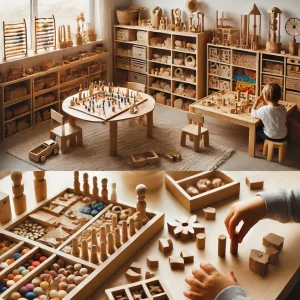
In a Montessori classroom, children of different ages are encouraged to work together. This mixed-age setting allows younger children to learn from older peers while providing older children the opportunity to reinforce their knowledge by sharing it with others. Such collaboration not only enhances social skills but also encourages empathy and a sense of community. As well as fostering cooperation, it helps children develop their problem-solving skills and self-confidence.
Real-Life Situation: Morning Routine at Home
To illustrate how the Montessori method can be applied at home, consider a typical morning routine. Instead of a parent dictating each step, children are encouraged to prepare for the day independently. A child might wake up, dress themselves, and choose their breakfast from a selection of healthy foods set out the night before. Parents can support this autonomy by creating a designated space with accessible utensils, plates, and a step stool for reaching the sink. This small act of independence can significantly boost the child’s confidence and sense of responsibility.
Real-Life Situation: Mixed-Age Classroom Scenario
In a Montessori classroom, a three-year-old child might be collaborating with a six-year-old on a group project using building blocks. While the younger child focuses on basic construction skills, the older child can help with more complex designs and calculations. The educator’s role is to observe and facilitate the interactions, stepping in only when guidance is needed. This organic learning process maximizes engagement and enhances the overall educational experience for all ages involved.
The Role of the Educator in Montessori
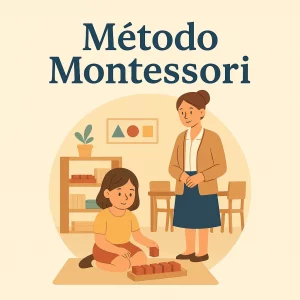
In the Montessori system, educators are referred to as guides. Their role is not to instruct, but to observe, assess, and present materials that align with each child’s interests and developmental stage. This necessitates a deep understanding of Montessori principles, which can be explored more thoroughly in our article about todo lo que necesitas saber sobre el método Montessori.
They carefully prepare the environment so that children can engage with materials that not only captivate them but also challenge their abilities. Educators also encourage children to make choices, fostering a sense of ownership over their own learning.
Resources for Parents and Educators
For those interested in learning more about this transformative education technique, many resources are available online. Our website includes a rich collection of articles and guides, such as pedagogía Montessori, which offers insights into how Montessori principles can be effectively implemented both at home and in educational settings. Furthermore, understanding the legacy of María Montessori equips parents and educators with the historical context that underpins the method, thereby enriching their practice.
Technology Meets Montessori: Introducing MarÍA, the AI Assistant
With technology advancing rapidly, we have created an innovative tool to assist parents and educators in their Montessori journey. At our Montessori Maria website and its AI assistant MarÍA, users can access tailored resources, tips, and answers to common questions related to the Montessori method. Whether you’re a parent looking for the nearest Montessori school or an educator seeking strategies to foster a Montessori environment, MarÍA can guide you through this exciting process.
Conclusion and Next Steps
The Montessori method fosters an environment where children can thrive through independence, collaboration, and a focused approach to learning. As parents and educators explore this approach, they will find numerous ways to incorporate Montessori principles into their daily lives, whether that’s through morning routines at home or nurturing mixed-age classrooms. We encourage you to continue your exploration of the Montessori method by visiting our website for more understanding Montessori resources. This journey can profoundly impact children’s growth and learning, preparing them for a successful future.
For those seeking further insights, we recommend the following articles available on our website: A Comprehensive Guide to Montessori Education for Parents and Educators, Understanding the Montessori Method: A Comprehensive Guide for Parents and Educators, and Understanding María Montessori: A Teaching Method for a Brighter Tomorrow. Together, we can create an enriching and supportive educational environment for our children, embracing the core values of the Montessori method.