Introduction
In today’s fast-paced world, many parents and educators are seeking alternative educational philosophies that foster a love for learning and develop autonomy in children. Common searches like “Montessori near me” and “Montessori school near me” reflect the global need for accessible Montessori resources. At our Montessori Maria website, we offer a Montessori locator along with international examples to help you embark on this educational journey.
The Fundamental Principles of the Montessori Method
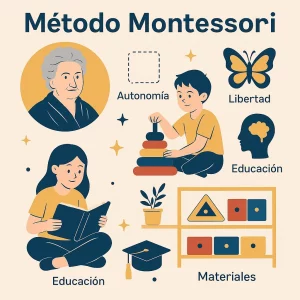
The Montessori method, developed by María Montessori in the early 1900s, is built on several core principles that distinguish it from traditional education systems. This child-centered approach emphasizes independence, respect for a child’s natural development, and hands-on learning. In a Montessori environment, children are encouraged to explore their interests and engage in activities that promote both cognitive and social skills.
Independence and Autonomy
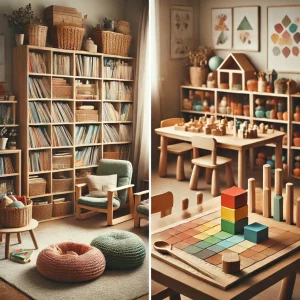
One of the hallmarks of the Montessori method is the emphasis on fostering independence. This begins at home, where parents can implement Montessori principles in daily routines. Consider a typical morning: a child wakes up and chooses their own clothes from a low-hanging rack, prepares their breakfast with minimal assistance, and cleans up after themselves. This routine fosters a sense of responsibility and empowerment, allowing the child to take ownership of their start to the day.
Mixed-Age Classrooms
Montessori classrooms often feature mixed-age groups, which contrasts sharply with conventional schooling that typically groups children by age. In a mixed-age classroom, younger children learn from older peers while older children reinforce their knowledge by teaching concepts they have mastered. For example, a five-year-old may help a three-year-old with a puzzle, enhancing both children’s learning experiences. This setup encourages collaboration, social interaction, and a sense of community, embodying the essence of the pedagogía Montessori.
Practical Applications of the Montessori Method
It’s essential for parents and educators to understand how to implement the Montessori method in daily life. Here, we’ll discuss two practical applications: one at home and one in a classroom setting.
A Montessori Morning Routine at Home
A successful Montessori morning routine starts the night before. Parents can prepare the child’s environment by laying out clothing choices and preparing breakfast ingredients. The next morning, the child wakes up to a nurturing atmosphere free from rushed demands. By allowing the child to select their clothes, they develop independence and a sense of style. After dressing, they can prepare a simple breakfast, such as making oatmeal or pouring cereal. This practice not only teaches them life skills but also builds confidence.
A Day in a Montessori Classroom
In a Montessori classroom, the teacher acts more as a guide than a traditional instructor. Children move about freely, choosing which activities to engage in. For instance, a seven-year-old who has been mastering addition may choose to work on multiplication with a peer rather than completing a worksheet assigned by the teacher. The freedom to choose their learning path helps maintain engagement and fosters a genuine love for learning.
The Global Spread of Montessori Education
The Montessori method has gained popularity worldwide. From urban centers to rural communities, schools have adopted this approach, demonstrating its adaptability and effectiveness in various cultural contexts. Parents searching for options often look for Montessori schools near them, highlighting the growing demand for this progressive educational framework. It is essential for interested families to connect with local Montessori resources, and our website provides extensive information about schools worldwide.
Additional Resources for Educators and Parents
In addition to practical advice for implementing the Montessori method, parents and educators can benefit from further understanding its core principles. You may find valuable insights in our articles such as A Comprehensive Guide for Parents Exploring Montessori Education and Understanding Montessori Education: A Guide for Parents and Educators. These resources provide deeper insights into how the Montessori method can transform educational experiences.
Montessori AI Assistant
Additionally, our Montessori Maria website and its AI assistant MarÍA can help guide parents and educators in their journey to apply Montessori principles effectively. The AI’s resources can assist in answering questions related to the Montessori method, making it easier for families to implement this transformative approach. You can access the AI assistant and explore more on our home page here.
Conclusion
The Montessori method offers a unique and effective approach to education that empowers children and fosters a love for learning. By understanding its fundamental principles and applying them both at home and in the classroom, parents and educators can create a nurturing environment that promotes independence and collaborative learning. So, if you’re searching for resources, be sure to utilize the tools available on our website and connect with local Montessori schools to enrich your child’s educational experience.
Further Reading
To continue your exploration of the Montessori method, we recommend reading “Understanding the Montessori Method: A Comprehensive Guide for Parents and Educators” available on our site. This article delves deeper into the principles and applications of this revolutionary educational philosophy. You can find it here.