Introduction
In today’s fast-paced world, parents and educators are increasingly searching for innovative educational models that nurture a child’s natural curiosity and independence. This is reflected in common searches like “Montessori near me” and “Montessori school near me“, which show a growing demand for accessible Montessori resources. Our website offers a comprehensive Montessori locator, showcasing international examples to help you find the best educational environment for your child.
Fundamental Principles of the Montessori Method
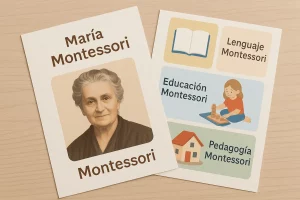
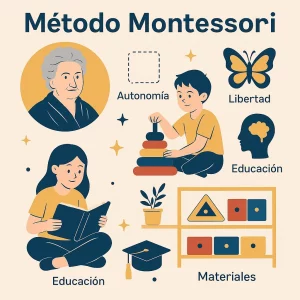
The Montessori method, developed by María Montessori in the early 20th century, is built on several foundational principles essential for fostering independent learning. Firstly, it emphasizes child-centered learning, where the educational experience is tailored to the individual child’s interests, strengths, and weaknesses. This personalized approach stands in stark contrast to traditional educational models, which often adopt a one-size-fits-all methodology.
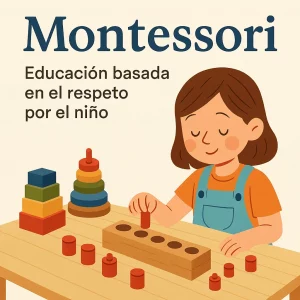
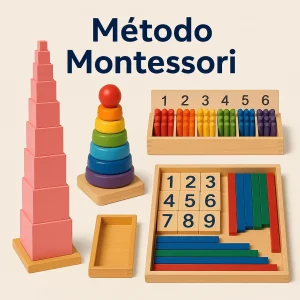
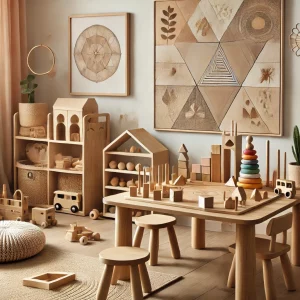
Another significant principle is the prepared environment, which encourages children to explore and learn at their own pace. Materials are specifically designed to be appealing and accessible, fostering exploration and promoting hands-on learning. As a result, children develop a deep sense of joy and intrinsic motivation.
Real-Life Situations Using Montessori Principles
Montessori at Home: Morning Routine
Imagine a typical morning in a Montessori-inspired home. Instead of rushing through breakfast and preparing to leave the house, the children have their morning routine structured to promote independence. They can choose their clothes from a low-hanging rack, have child-sized utensils for breakfast, and even set the table according to their own preferences. Kitchen cabinets and drawers are organized so that everything is within reach, allowing the children to pour their own cereal or juice. This autonomy instills confidence and teaches them responsibility, embodying the core values of the método Montessori.
Mixed-Age Classrooms Scenario
Now, let’s explore a mixed-age classroom in a Montessori school. Here, you might find children aged three to six working together in a harmonious environment. A five-year-old may take on a leadership role by assisting a younger peer with a puzzle, promoting collaboration and a sense of community. Meanwhile, another child explores mathematical concepts using beads while another practices reading with a book. This mixed-age setup facilitates peer learning and reflection, allowing children to progress at their own pace while benefiting from each other’s strengths.
Benefits of the Montessori Method
The pedagogía Montessori is recognized for nurturing critical thinking and problem-solving skills, as well as fostering emotional intelligence. Children learn to be self-disciplined and accountable, developing life skills that pave the way for future success. Moreover, the holistic nature of Montessori education promotes a profound appreciation for the world, encouraging children to become compassionate, responsible citizens.
How to Implement Montessori Principles at Home
You don’t need to enroll your child in a Montessori school to benefit from its principles. Implementing Montessori methods at home can be as simple as creating a designated learning space. Providing child-sized furniture, accessible materials, and specific areas for different activities can encourage your child to engage in independent play and exploration. Additionally, creating routines and allowing choices fosters an atmosphere of autonomy.
Finding Montessori Resources
As the Montessori method gains popularity, finding the right resources becomes paramount. Our website is designed to assist you through every step of this journey. Whether you’re looking for articles, educational materials, or nearby schools, you will find everything you need on our Montessori locator and related resources.
Stay Informed and Engaged
Keeping up with the latest trends and insights in Montessori education is crucial for parents and educators alike. By reading regularly about Montessori education and engaging with communities, you can continuously expand your knowledge and network with like-minded individuals.
Conclusion
In conclusion, the Montessori method offers a child-centered, engaging, and comprehensive approach to education that fosters independence and a love for learning. For those interested in exploring the Montessori philosophy, our website has a wealth of resources, including our Montessori locator and updates from our Montessori Maria website and its AI assistant MarÍA. Whatever your needs, understanding the Montessori approach is beneficial for anyone involved in the upbringing of children. Start your journey today!
To delve deeper, check out our recent articles on various aspects of Montessori education: