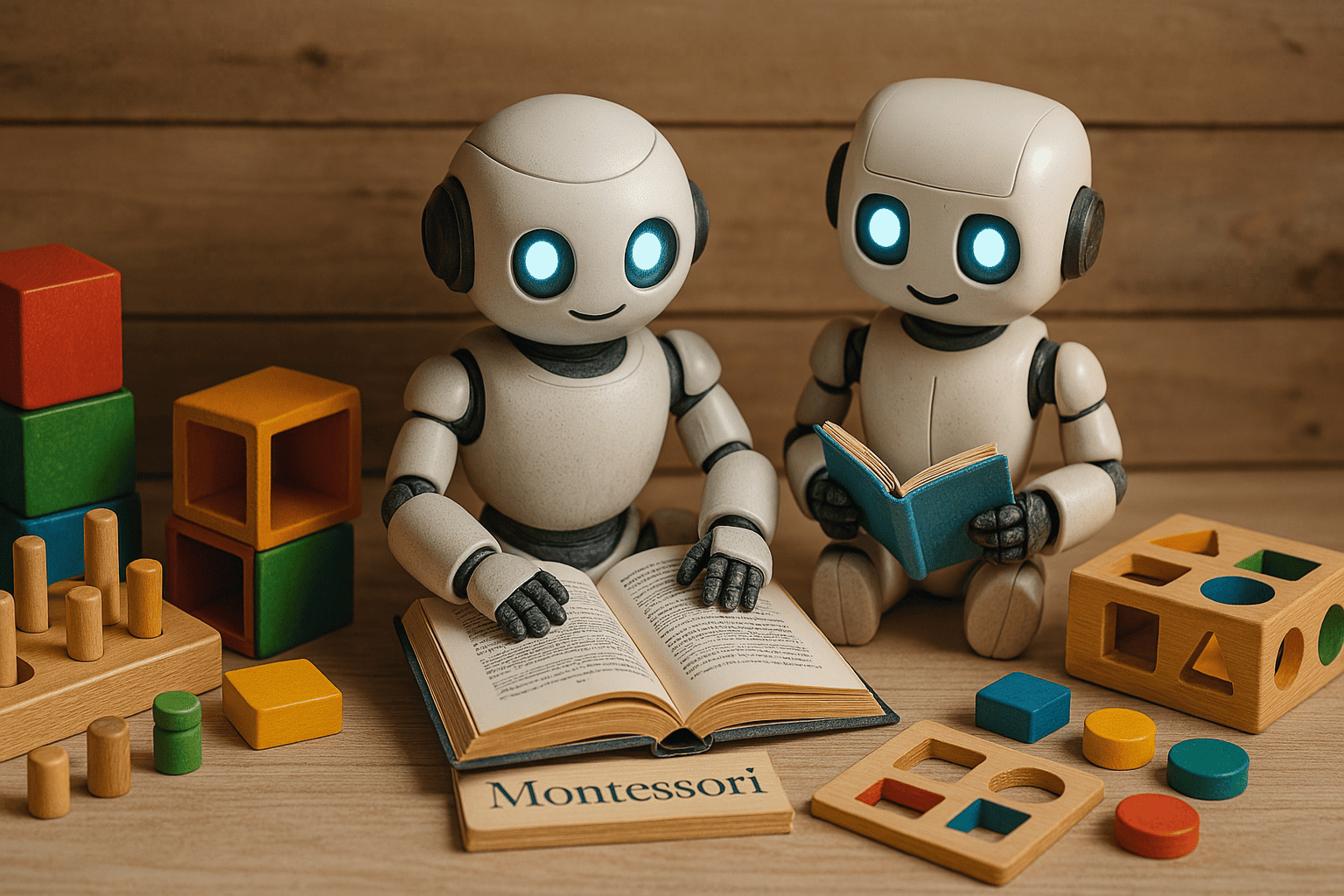
Introduction to the Montessori Method
In today’s fast-paced world, many parents and educators are turning to alternative education methods, leading to a surge in common searches like “Montessori near me” and “Montessori school near me.” These searches reflect a global need for accessible Montessori resources that foster a child’s natural learning instincts. If you’re among those seeking information about the Montessori approach, you’ll find a wealth of resources on our Montessori Maria website, which includes a Montessori locator and international examples of Montessori schools.
What is the Montessori Method?
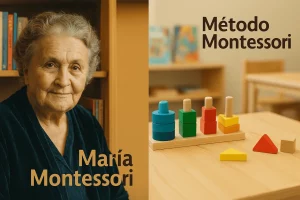
The Montessori method is an educational philosophy developed by María Montessori, an Italian physician and educator. It emphasizes child-led learning, where children are seen as active participants in their own education. The approach is grounded in several fundamental principles, such as autonomy, respect for the child, and hands-on learning experiences. The environment is carefully prepared to stimulate curiosity and the desire to learn, allowing children to explore at their own pace.
Core Principles of the Montessori Method
At the heart of the Montessori philosophy are three essential principles:
- Respect for the Child: Every child is unique, possessing their own strengths, interests, and capabilities. Montessori education encourages respect for each child’s individuality.
- Independence: The method fosters independence by allowing children to make choices, initiate learning experiences, and engage in self-directed activities.
- Prepared Environment: The learning environment is designed to be accessible, engaging, and conducive to exploration. Montessori classrooms are typically mixed-age, which promotes collaboration and peer learning.
Real-Life Applications of the Montessori Method
Morning Routine at Home
Consider a typical morning routine at home. Imagine a child choosing their own clothes from a designated space rather than having a parent pick them out. With carefully curated options that allow for creativity and self-expression, the child exercises autonomy and develops decision-making skills. Next, they might prepare their own breakfast, perhaps pouring cereal or spreading butter on toast, further nurturing their independence. This process not only promotes self-sufficiency but also instills confidence in their abilities, which is a core goal of the Montessori method.
Mixed-Age Classroom Scenario
In a mixed-age Montessori classroom, you may find a five-year-old reading a story to a three-year-old. This scenario exemplifies how older children serve as mentors to younger ones, reinforcing their knowledge while developing empathy and leadership skills. The teacher acts as a guide rather than a traditional instructor, observing the children and facilitating their learning experiences. This peer-learning environment fosters cooperation, respect, and a sense of community, aligning perfectly with the Montessori philosophy.
The Benefits of the Montessori Method
The Montessori method offers numerous benefits for children and educators. Children develop critical thinking skills, emotional intelligence, and a love for learning. They become more resilient and adaptable, capable of navigating challenges independently. For educators, the Montessori approach encourages a more fulfilling teaching experience, allowing them to witness the transformational journey of each child.
Exploring Resources for Parents and Educators
For those looking to dive deeper into the Montessori approach, there is todo lo que necesitas saber sobre el método Montessori. This comprehensive guide covers all aspects of the Montessori philosophy and offers practical advice for implementing Montessori principles at home and in educational settings. Educators can find a wealth of information on understanding Montessori and how to effectively apply its principles in their teaching methodologies.
Getting Started with Montessori at Home
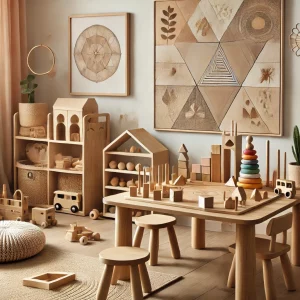
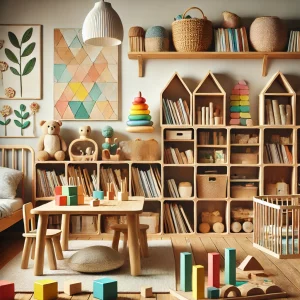
Implementing the Montessori method at home can be a transformative experience for both children and parents. Start by creating a prepared environment that encourages exploration. Designate specific areas for different activities, such as reading, art, and practical life skills. This organization allows children to choose their activities based on their interests, fostering a sense of ownership over their learning.
The Role of Educators in Montessori Education
In a Montessori classroom, educators play a crucial role as facilitators of learning. They observe students to understand their interests and developmental stages, guiding them to suitable materials and activities without direct interference. This unique approach not only honors each child’s learning journey but also helps teachers to create a supportive and responsive learning environment.
Conclusion
As parents and educators explore the world of Montessori education, resources like Montessori near me can help them find local schools and community programs that align with this educational philosophy. Through the guidance of our Montessori Maria website and its AI assistant MarÍA, parents can access a wealth of information and personalized support to navigate their Montessori journey. With the right tools and mindset, anyone can embrace the Montessori method to create a nurturing, respectful, and engaging learning environment for children.
Explore more about the benefits and applications of the Montessori method to unlock the potential of every child and embark on a fulfilling educational adventure.