The Demand for Montessori Resources
In today’s increasingly complex educational landscape, parents and educators are actively searching for effective learning methodologies. Searches like “Montessori near me” and “Montessori school near me” underscore a global need for accessible Montessori resources. Understanding the Montessori method can help you make informed decisions about your child’s education. Our website offers a handy Montessori locator featuring international examples, including specific options in cities such as Oberursel, Germany.
What is the Montessori Method?
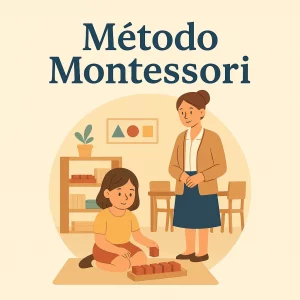
Developed by Dr. María Montessori, the Montessori method is an educational approach grounded in the belief that children learn best in environments that foster independence, respect, and a love for learning. Emphasizing hands-on, experiential learning, the methodology promotes self-directed activities, collaborative play, and observation-based instruction. Through carefully designed environments and materials, the Montessori method supports children’s natural development.
Core Principles of the Montessori Method
Central to the Montessori method are several key principles:
- Child-Centered Learning: Instead of traditional teacher-led instruction, children are given the autonomy to choose their activities. This approach respects individual interests and paces of learning.
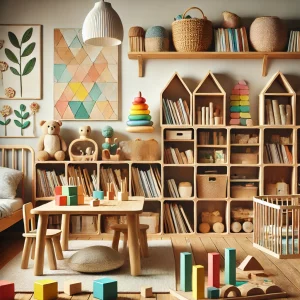
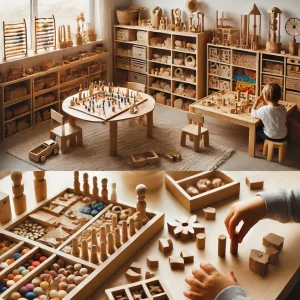
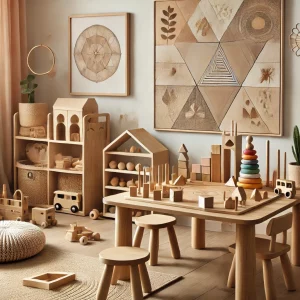
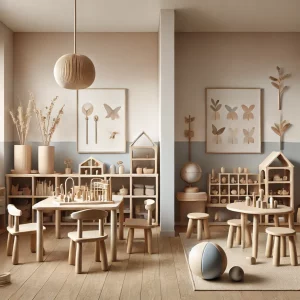
- Prepared Environment: Classrooms are meticulously arranged with various sensory materials and learning tools that invite exploration and discovery.
- Mixed-Age Classrooms: In Montessori settings, children of different ages learn together, fostering collaboration, mentorship, and social development.
- Observation: Educators serve as guides, observing children as they engage with materials, which allows them to tailor instruction based on each child’s unique needs.
Real-Life Applications of the Montessori Method
A Morning Routine at Home
Implementing the Montessori method at home can profoundly benefit family dynamics. For instance, consider a typical morning routine. Instead of a parent waking a child and demanding they get ready for school, a Montessori approach would encourage the child to take charge of their morning expectations. A child might have visibility into a daily schedule using a visual timetable, which allows them to choose when to get dressed, brush their teeth, and prepare for breakfast. By providing appropriate choices and resources, children cultivate independence and responsibility from a young age.
A Mixed-Age Classroom Scenario
Imagine a Montessori classroom filled with children ranging from ages three to six. In this engaging environment, older children take on leadership roles, helping their younger peers with activities, whether that means guiding them in crafting, sharing stories, or collaborating on challenges. This setup fosters a sense of community and belonging while allowing children to learn from each other, enhancing social skills, and reinforcing knowledge.
Understanding Montessori Education
To delve deeper into the methodologies and practices of the Montessori system, it’s helpful to reference todo lo que necesitas saber sobre el método Montessori, which covers comprehensive aspects of the philosophy and practice. Parents and educators will find invaluable guidance on employing these strategies effectively.
Montessori Pedagogy and Its Impact
Understanding pedagogía Montessori is crucial to grasping how children learn and grow. This transformative approach emphasizes respect for the child as an individual capable of independent thought. Teachers are seen as facilitators, adjusting their involvement to allow children to explore and learn at their own pace.
The Role of Educators and Parents
In the Montessori method, the roles of educators and parents are pivotal. Both are tasked with creating environments that inspire curiosity and a love for learning. Regular communication between home and school is vital for reinforcing the principles of Montessori education. Parents are encouraged to implement Montessori techniques at home, such as designating a specific area for work and play, ensuring age-appropriate materials are available, and allowing children to make choices about their activities.
How to Support Montessori Growth at Home
To support your child’s Montessori education at home, consider the following strategies:
- Provide access to various educational materials that cater to different learning styles.
- Encourage independence by allowing children to participate in household tasks, such as cooking or cleaning.
- Create a calm and organized space for learning, free from distractions.
The Global Montessori Community
The Montessori method has gained significant traction across the globe. With numerous Montessori schools emerging in countries worldwide, parents are keen to discover local opportunities. Our Montessori locator simplifies this search. By entering your location, you can find nearby Montessori resources tailored to your community.
About María Montessori
Dr. María Montessori‘s revolutionary approach to education emphasizes freedom and dignity in learning. Her life’s work continues to inspire educators and parents alike. Understanding her legacy enriches our knowledge and appreciation of the Montessori method, making it easier to implement these principles effectively.
The Importance of Continuous Learning
Parents and educators must remain informed about the Montessori approach. Engaging in continuous learning about the methodology empowers them to become effective facilitators. Our guide for parents and educators offers insight into this timeless educational framework.
The Role of Technology in Montessori Education
While the Montessori method is known for its tangible, hands-on materials, technology also plays a role in modern education. Digital tools can complement Montessori principles by fostering self-directed learning and providing access to resources that encourage exploration. However, it is essential to balance screen time with traditional learning methods to maintain the essence of the Montessori experience.
Wrapping Up: Embracing the Montessori Method
In conclusion, the Montessori method stands out for its emphasis on independence, collaboration, and respect for the child. By understanding its core principles, parents and educators can foster environments that nourish children’s natural curiosity and promote meaningful learning experiences. Explore our comprehensive guides on Montessori education to deepen your understanding and practice.
As we navigate the complexities of modern education, let’s remember the timeless insights of Maria Montessori’s methods. Your journey into the world of Montessori awaits, and we invite you to visit our Montessori Maria website and seek assistance through our AI assistant MarÍA for any questions or clarifications.