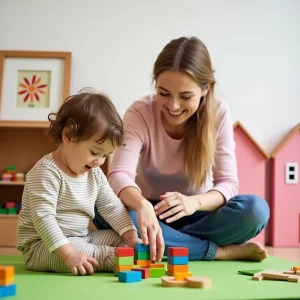
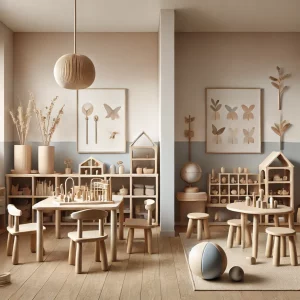
The Growing Interest in Montessori Education
In today’s fast-paced world, many parents and educators are searching for effective, holistic approaches to child development. Common searches for “Montessori near me” and “Montessori school near me” reflect a global need for accessible Montessori resources and educational methods that cater to children’s unique learning styles. Our website offers a Montessori locator to help you find local options, along with international examples that highlight the versatility of the Montessori approach, such as our guide for Oberursel, Germany.
What is the Montessori Method?
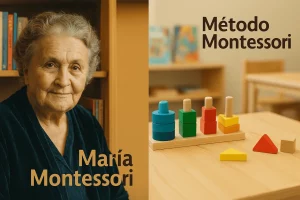
The Montessori method is an educational philosophy developed by Dr. María Montessori in the early 1900s. It emphasizes self-directed activity, hands-on learning, and collaborative play as essential components of education. This method encourages children to explore their interests at their own pace, fostering independence and a love for learning.
Fundamental Principles of the Montessori Method
Several core principles define the Montessori method:
- Child-Centered Learning: The focus is on the child and their individual growth, with teachers serving as guides rather than traditional authoritative figures.
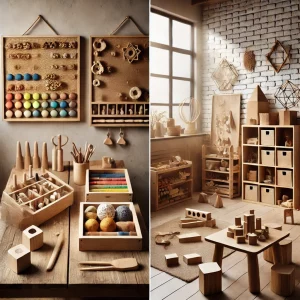
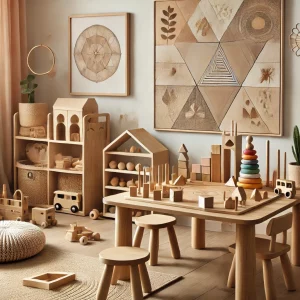
- Prepared Environment: Classrooms are designed with specific materials that encourage exploration and discovery, tailored to various developmental stages.
- Mixed-Age Classrooms: Children of different ages learn together, promoting peer learning and cooperation.
- Hands-On Learning: Students interact with materials that engage their senses, reinforcing concepts through practical experience.
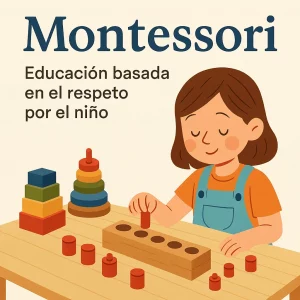
- Respect for the Child: The Montessori method fosters respect for children’s choices, abilities, and unique ways of learning.
Real-Life Applications of Montessori Principles
To illustrate the effectiveness of the Montessori method, let’s explore two real-life scenarios: a morning routine at home and a mixed-age classroom setting.
Morning Routine at Home
Imagine a family adopting Montessori principles in their morning routine. Instead of having parents dictate every step, the child is given choices: “Would you like to wear the red shirt or the blue one?” This simple question empowers the child to make decisions, fostering their autonomy. The kitchen is set up with accessible tools for breakfast preparation. For example, a low table allows the child to pour their own cereal and milk, promoting independence and fine motor skills. During this morning routine, children engage in self-care and learn responsibility while parents guide them gently, offering help when necessary without overstepping.
Mixed-Age Classroom Scenario
In a Montessori classroom, children aged three to six coexist, providing a rich environment for peer learning. In one corner, a younger child may observe an older peer carefully working with a set of geometric shapes. Upon noticing the interest, the older child might explain the task, thereby reinforcing their own knowledge while helping the younger child learn. This scenario reflects the Montessori belief that children are capable teachers, promoting collaboration and communication among different age groups. Educators in such environments facilitate learning by preparing lessons that cater to varying skill levels while encouraging interactions that bridge age differences.
Explore More about the Montessori Method
If you’re curious to learn more, visit our page that covers todo lo que necesitas saber sobre el método Montessori where you will find comprehensive details about its principles and practices. Additionally, you can delve into the pedagogía Montessori to explore various teaching strategies that can effectively enhance learning experiences.
The Role of Educators in the Montessori Environment
In Montessori education, teachers take on the role of facilitators, observing each child’s interests and progress while providing an enriching environment. They ensure that learning materials are arranged in an organized, accessible manner and offer guidance when needed, prioritizing each child’s individual journey. This approach allows teachers to foster not only academic skills but also social and emotional development.
The Teacher as a Guide
Rather than structured lessons, Montessori educators focus on creating independent learners. For instance, if a child demonstrates an interest in animals, a teacher may provide books, activities, and materials to explore this topic further, allowing the child to follow their natural curiosity. This method encourages critical thinking and problem-solving, as children engage deeply with subjects that resonate with them.
Montessori Philosophy in Action
At the heart of the Montessori method is the respect for children’s choices, abilities, and individuality. This philosophy shapes educational practices, allowing children to develop confidence, resilience, and a lifelong love of learning.
Finding Montessori Resources
In your search for Montessori options, don’t forget to visit our Montessori Maria website and its AI assistant MarÍA, where you’ll discover a wealth of resources, including our Montessori locator, available materials, and avenues to connect with other Montessori families and educators worldwide.
Conclusion: Embracing the Montessori Method
As awareness of the Montessori method grows, so does the need for accessible educational resources that align with its principles. Whether you are a parent searching for the right educational path for your child or an educator looking to incorporate Montessori philosophy into your practice, understanding the core tenets of this method is essential. Explore our other articles for more insights, such as the legacy of María Montessori, and how it continues to influence modern education.
We invite you to learn, discover, and embrace the Montessori method in various aspects of life. For a deeper dive into the philosophy and practice, check out our most recent articles, including Discovering Montessori, Understanding Montessori Pedagogy, and Montessori Education. There is so much to learn and understand; let’s embark on this journey together!