The Growing Interest in Montessori Education
In today’s world, many parents and educators are increasingly searching for alternatives to traditional schooling that promote holistic development. Common queries like “Montessori near me” and “Montessori school near me” reflect a global demand for more accessible Montessori resources. Understanding the Montessori method can help families and educators make informed choices regarding education and child development. If you are looking for local Montessori options, our Montessori locator can assist you in finding schools and resources in your area, including international examples, like those in Oberursel, Germany here.
What is the Montessori Method?
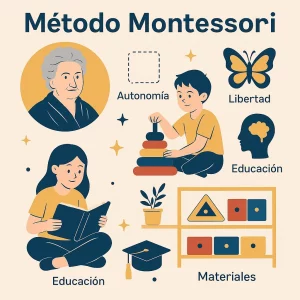
Developed by Dr. María Montessori, the Montessori method is an educational approach that emphasizes independence, freedom within limits, and respect for a child’s natural psychological development. The method is built on core principles that include:
- Child-Centered Learning: This principle posits that children learn best when they are allowed to explore their interests in an environment that supports their individual learning styles.
- Hands-On Learning: Montessori emphasizes engaging students with materials rather than passive learning through lectures. This tactile involvement supports memory and understanding.
- Mixed-Age Classrooms: Classrooms with a range of age groups foster mentorship, collaboration, and community among students.
- Natural Development: The curriculum is designed to align with various stages of development, allowing children to explore subjects at their own pace and readiness.
Real-Life Applications of the Montessori Method
To better illustrate these principles, let’s look at two real-life scenarios: a morning routine at home and a mixed-age classroom in a school setting.
A Montessori Morning Routine at Home
Imagine a typical morning in a household embracing the Montessori approach. Instead of a parent dictating each step of the morning, a child is empowered to take charge of their own routine. The child wakes up when they feel rested, chooses their clothes, and dresses themselves with minimal assistance. The kitchen is set up with accessible breakfast options, allowing the child to prepare their breakfast independently. This kind of autonomy fosters confidence, responsibility, and self-sufficiency. Parents who wish to dive deeper into how to implement Montessori practices at home can find comprehensive insights in todo lo que necesitas saber sobre el método Montessori.
A Day in a Mixed-Age Montessori Classroom
In a Montessori school, children of various ages learn together rather than being segregated by grade. For instance, in a classroom where 3 to 6-year-olds are present, older students might help younger children with activities, while simultaneously reinforcing their own skills. This mixed-age setup encourages peer learning and nurtures social skills. A 5-year-old explaining a math concept to a 3-year-old not only strengthens the older child’s understanding through teaching but also instills confidence and a sense of community. If you want to explore more about the Montessori pedagogical approach, consider checking out our detailed guide on pedagogía Montessori.
The Role of the Educator
In a Montessori setting, the role of the educator shifts from traditional teacher to a facilitator or guide. The educator observes the children to better understand their interests and developmental needs, guiding them toward appropriate resources and activities without direct instruction. This approach fosters a sense of exploration and self-direction in students, allowing them to delve into subjects deeply rather than being confined to a standard curriculum. María Montessori believed in the importance of creating learning environments that resonate with children’s natural curiosity, as discussed comprehensively in our articles, such as Understanding Montessori Pedagogy.
The Environment as the Third Teacher
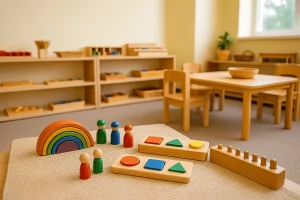
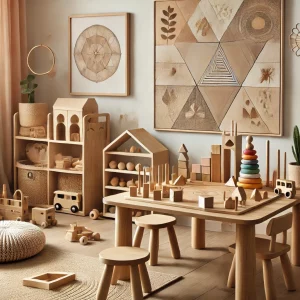
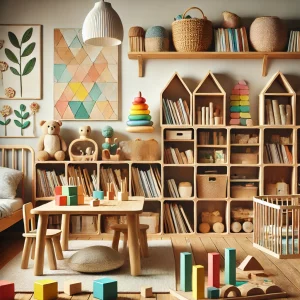
In Montessori philosophy, the learning environment itself is often referred to as the “third teacher.” Both home and school environments are meticulously designed to enable exploration, focus, and independence. In a Montessori classroom, each material has a purpose, is aesthetically pleasing, and is organized for easy access. This setup allows children to move freely between activities and encourages them to choose based on their interests and developmental readiness.
Benefits of the Montessori Method
Research and anecdotal evidence support the benefits of a Montessori education. These include:
- Enhanced Independence: Children learn to make decisions for themselves and develop a strong sense of autonomy.
- Improved Academic Performance: Many studies reveal that students in Montessori programs often perform as well or better on standardized tests compared to their peers in traditional settings.
- Better Social Skills: Engaging with a diverse mix of ages helps children develop empathy, teamwork, and communication skills.
- Encouraged Lifelong Learning: The Montessori approach fosters a love of learning that encourages children to pursue knowledge throughout their lives.
Montessori in Practice Around the World
The Montessori method has gained traction globally, with schools popping up in various countries, each adapting the core principles to fit local cultures and needs. For example, in Oberursel, Germany, Montessori schools have implemented community-based projects that enhance children’s sense of belonging and responsibility. This local flavor of the methodology can be explored through resources on our Montessori locator, where you can find various implementations worldwide.
Utilizing Technology with Montessori Principles
In an age where technology plays a pivotal role in education, integrating it with Montessori principles can enhance the learning experience. Our Montessori Maria website and its AI assistant MarÍA offer resources to parents and educators looking to combine traditional Montessori practices with technological tools, helping to create more engaging educational experiences while maintaining the core values of independence and exploration. Learn more about technology’s role in Montessori education in our article, A Comprehensive Guide to Montessori Education.
Conclusion
As parents and educators, understanding the Montessori method can profoundly impact how we approach children’s education. From fostering independence to respecting the natural development of learning, there are countless benefits to implementing Montessori principles both at home and in schools. If you are eager to learn more about Maria Montessori and her legacy in education, we invite you to explore María Montessori and discover the transformative power of this educational approach.
For more information on how to implement Montessori principles in your life and teaching practices, remember to visit our site for regular updates and new articles aimed at enriching your understanding of this unique method.