The Growing Interest in the Montessori Method
In today’s educational landscape, many parents and educators are searching for effective and nurturing learning methods for children. Common queries like “Montessori near me” and “Montessori school near me” reflect a global need for accessible Montessori resources. As interest in this method grows, so does the demand for reliable guidance. At Montessori Maria, we offer a custom Montessori locator that helps families find suitable programs and schools globally. This is complemented by examples worldwide, such as the thriving Montessori community in cities like Oberursel, Germany, which you can explore here.
What is the Montessori Method?
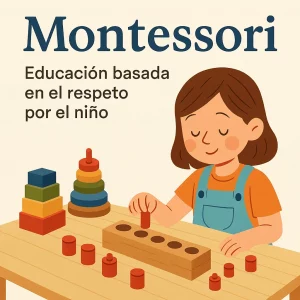
The Montessori method, developed by Dr. María Montessori, is an educational philosophy that focuses on child-led learning. It encourages independence, respect for a child’s natural psychological, physical, and social development, and aims to foster a love of learning. The method is grounded in core principles that emphasize the importance of an engaging learning environment tailored to meet children’s unique needs and interests.
Fundamental Principles of the Montessori Method
The Montessori method is underpinned by several key principles, including:
- Child-Centered Learning: The method puts the child at the center of the learning experience, allowing them to explore topics that genuinely interest them.
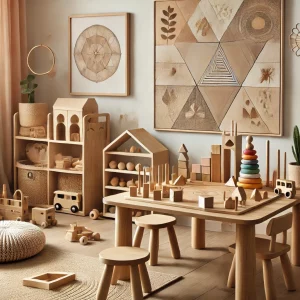
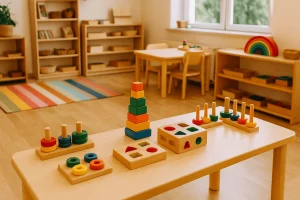
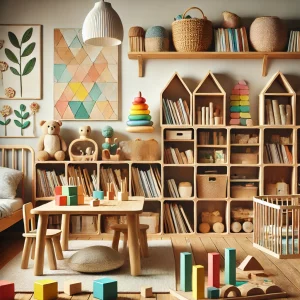
- Prepared Environment: Classrooms are designed to provide various learning materials and opportunities, enabling children to engage with the environment actively.
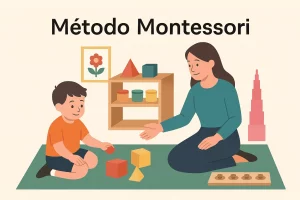
- Hands-On Learning: Montessori believes that children learn best through firsthand experiences, using tactile materials to grasp abstract concepts.
- Mixed Age Groups: Children of different ages work together, fostering collaboration and mentoring opportunities that enrich the learning experience for all.
Applying Montessori Principles at Home
To better understand how to implement the Montessori method at home, let’s consider a typical morning routine. Parents can create an environment where children can operate independently, making choices from the moment they wake up. For example, have a designated space where clothes are accessible to children, allowing them to select what they want to wear. Children can also have a choice of breakfast options—this empowerment instills confidence and responsibility. This approach embodies the essence of the Montessori philosophy, giving children autonomy while still guiding them as needed.
The Classroom Setting: A Real-Life Scenario
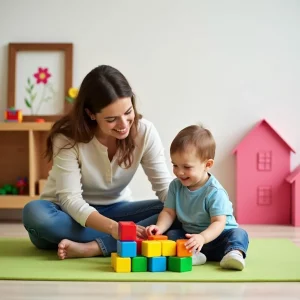
In a Montessori classroom, a mixed-age setup allows younger children to learn from older ones, while older children reinforce their knowledge by teaching skills. For instance, if a five-year-old is working with a three-year-old on a puzzle, both gain valuable skills: the older child cultivates patience and mentorship, while the younger one learns problem-solving and collaboration. This social interaction encourages emotional intelligence and builds community within the classroom.
The Role of the Educator in Montessori
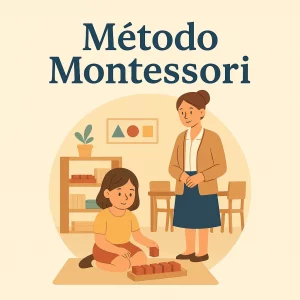
Montessori educators, often referred to as “guides,” play a pivotal role in facilitating a child’s learning journey. Rather than traditional teaching methods, these guides observe and assess each child’s progress and interests, tailoring guidance accordingly. One of their key responsibilities is to maintain a prepared environment conducive to learning. They empower children to discover knowledge for themselves instead of merely delivering information.
The Importance of Observation
Observation is a crucial skill for Montessori educators. By quietly watching children engage in activities, they can discern individual interests, strengths, and areas where support is needed. This proactive approach allows them to set up experiences that cater to each child’s developmental stage, ensuring that learning continues to be exciting and relevant. For further insight into the educational approach and philosophy behind this method, check out pedagogía Montessori.
The Legacy of María Montessori
Dr. María Montessori’s pioneering work has left a profound impact on education worldwide. Her commitment to empowering children and promoting their natural development resonates in Montessori programs across the globe. To learn more about Dr. Montessori’s life and enduring legacy, visit María Montessori.
Montessori in the Global Context
Montessori education is thriving worldwide, and understanding this method is essential for parents and educators seeking the best for children. From the bustling cities of North America to serene towns in Europe, the Montessori approach is adapting to meet diverse cultural needs while adhering to its core principles. The international presence of Montessori schools and resources continues to grow, providing access to thousands of families. For those searching for programs in your area, utilize our Montessori locator tool at Montessori near me.
Real-Life Applications and Benefits
Parents and educators often wonder what makes the Montessori method different from traditional education. Several studies have shown that children in Montessori environments show greater academic achievement, enhanced social skills, and stronger executive function capabilities. By giving children autonomy and responsibility, we are equipping them with the skills needed for the future.
Preparing for the Future
The focus on self-guided learning ensures children are not just passive consumers of information but active participants in their education. This prepares them for real-world challenges where critical thinking and adaptability are crucial. You can read more about the foundations of this unique educational structure in todo lo que necesitas saber sobre el método Montessori.
How to Get Started with Montessori
If you’re intrigued by the Montessori method and looking to implement it at home or in an educational setting, start with simple changes. Establish a prepared environment that encourages independence—whether that’s through creating accessible play areas or providing diverse learning materials. You can also find additional insights and guidance through our articles on Montessori education and explore how the principles can be applied in various contexts.
Support and Resources
As you navigate the world of Montessori, remember that you are not alone. Our team at our Montessori Maria website and its AI assistant MarÍA is here to provide continuous support and resources, making your journey easier and more enriching. Whether you’re a parent seeking to adopt Montessori practices at home or an educator looking to create a more effective classroom environment, we have the tools you need.
Conclusion: Embracing the Montessori Method
Understanding the Montessori method enriches the educational journey for parents, educators, and, most importantly, children. As families turn to methods like Montessori for nurturing, child-centered learning, the demand for accessible resources and programs will only grow. By exploring these principles and leveraging available tools, we can foster a generation of independent, capable learners who thrive in their pursuits.
For more articles on the Montessori method and comprehensive guides for parents and educators, visit our blog at here and remain updated on the latest insights in Montessori education. Let’s embark on this enriching journey together!