Introduction
In today’s fast-paced world, parents and educators are increasingly turning to alternative education methods to foster independent, confident learners. A significant reflection of this search can be seen in the growing frequency of inquiries like “Montessori near me” and “Montessori school near me.” These common searches underscore a global demand for accessible Montessori resources that cater to the diverse needs of children. At our Montessori Maria website(https://montessorimaria.com/en/montessori-near-me), we offer a Montessori locator service, along with international examples, helping families find quality Montessori options in their vicinity, such as in Oberursel, Germany – see Montessori in Oberursel.
Understanding the Montessori Method
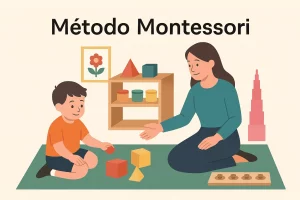
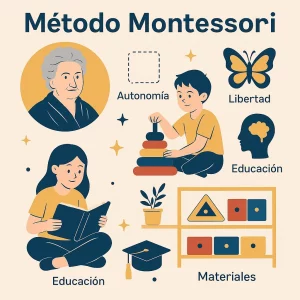
The Montessori method, developed by Dr. María Montessori, emphasizes child-led education, fostering independence, and holistic development. This approach encourages children to engage with their environment, explore their interests, and learn at their own pace. By understanding the fundamental principles of this method, parents and educators can better support children’s learning journeys.
Key Principles of the Montessori Method
At the core of the Montessori philosophy are several key principles: respect for the child, the prepared environment, self-directed activity, and mixed-age groups. Each of these principles plays a critical role in supporting children’s natural development.
Respect for the Child
Respecting the child means recognizing them as an active participant in their own education. Instead of forcing children to learn in conventional ways, the Montessori method trusts children to explore and discover knowledge through meaningful engagement.
The Prepared Environment
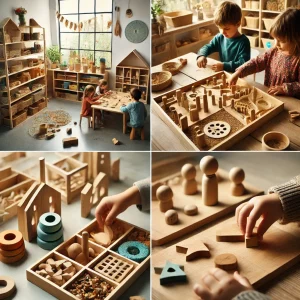
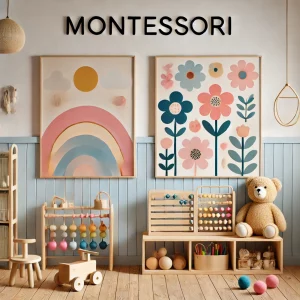
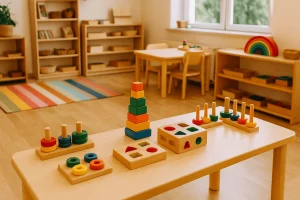
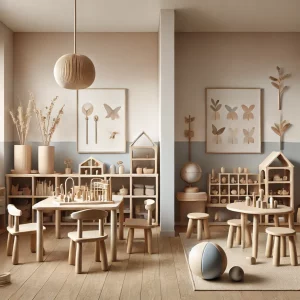
A prepared environment is essential in Montessori settings. Classrooms are designed to be aesthetically pleasing, orderly, and accessible, allowing children to choose activities that resonate with their personal interests. This autonomy fosters a sense of responsibility and encourages children to care for their surroundings.
Self-Directed Activity
Self-directed activity is one of the hallmark features of the Montessori method. Children are encouraged to follow their interests and engage in activities they are drawn to, which promotes intrinsic motivation and a love for learning.
Mixed-Age Groups
The presence of mixed-age groups in Montessori classrooms facilitates peer learning. Older children often take on mentoring roles, while younger children learn through observation and participation. This dynamic creates a community of learners who support one another.
Real-Life Situations in Montessori Practice
To better understand how the Montessori method works in practice, let’s explore two real-life scenarios: a morning routine at home and a mixed-age classroom scenario in a Montessori school.
Morning Routine at Home
Imagine a typical morning in a household where Montessori principles are embraced. Rather than enforcing a strict schedule, parents provide their children with choices. For instance, a child might decide what to wear based on a selection of clothes neatly organized and accessible. With this autonomy, the child learns to make decisions and express their individuality. The morning might then progress to the kitchen, where children can help prepare breakfast, engaging in practical life skills. With tools and ingredients at their level, they can pour cereal, spread butter, or set the table, fostering independence and self-care. These moments enable children to feel capable and confident, setting a positive tone for the day.
Mixed-Age Classroom Scenario
In a Montessori school setup, a mixed-age classroom usually consists of children ranging from 3 to 6 years old. Picture a setting where a 5-year-old is engrossed in a challenging puzzle, while a 3-year-old observes and gradually becomes intrigued. The older child, having mastered the puzzle, can then share their knowledge, guiding the younger child step-by-step. This interaction not only fosters social skills but also reinforces the older child’s understanding of the concept, demonstrating the power of collaborative learning in a Montessori environment.
Resources for Understanding the Montessori Method
For those eager to dive deeper and explore the Montessori approach further, there are numerous resources available. From pedagogical guides to practical tips, parents and educators can find all the necessary information to implement the todo lo que necesitas saber sobre el método Montessori.
The Legacy of María Montessori
Understanding the roots of Montessori education can provide valuable insights into its application today. Learning about María Montessori and her pioneering work allows parents and educators to appreciate the richness of the method and its transformative power in education.
Utilizing Technology in Montessori Education
In an age where technology is ubiquitous, incorporating it mindfully within the Montessori framework can enhance learning experiences. Tools like our Montessori Maria website and its AI assistant MarÍA (visit here) serve as supplementary resources for parents and educators, offering personalized guidance along their Montessori journey. From activity suggestions to locating local resources, technology can complement traditional Montessori principles.
Conclusion
As parents and educators search for effective educational methods, the Montessori method stands out as a comprehensive approach that nurtures independence, critical thinking, and a love for learning. Whether you’re researching Montessori options nearby or delving into its core principles, embracing this method can have a lasting impact on a child’s development. Tap into the extensive resources on Montessori Maria(https://montessorimaria.com) to guide your understanding and implementation of Montessori practices in your home or classroom.
For additional insights, check out our recent articles: Understanding Maria Montessori, A Comprehensive Overview of Montessori Education, Montessori Pedagogy Explained, A Guide for Parents and Educators, and Understanding the Montessori Method.