Introduction
In today’s educational landscape, parents and educators are increasingly searching for effective learning methods to nurture children’s development. Common queries such as “Montessori near me” and “Montessori school near me” highlight a growing demand for accessible Montessori resources. Our website serves as a valuable tool, offering a Montessori locator and showcasing international examples of successful Montessori applications.
The Fundamental Principles of the Montessori Method
The Montessori method, developed by Maria Montessori, is grounded in several key principles designed to foster individual growth and independence. One of the cornerstones is the emphasis on child-led learning. This approach allows children to choose their activities and learn at their own pace, which promotes intrinsic motivation and a love for learning.
Freedom and Responsibility
Another fundamental principle is the balance between freedom and responsibility. In a Montessori environment, children are given the freedom to explore their interests, but this freedom comes with the understanding that they must take responsibility for their choices and actions. This duality nurtures self-discipline and accountability, which are essential skills for lifelong learning.
Prepared Environment
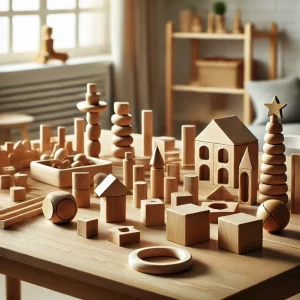
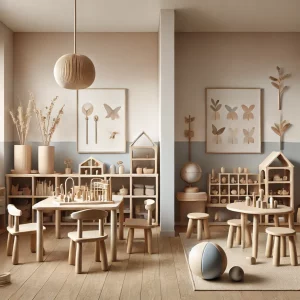
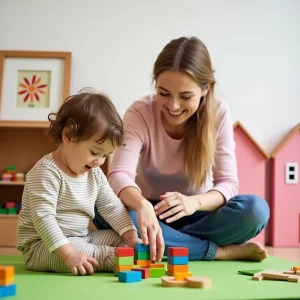
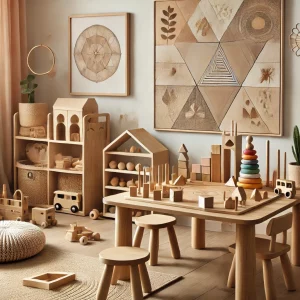
The concept of a prepared environment is crucial in Montessori education. Classrooms and homes should be organized and equipped with materials that support exploration and engagement. This thoughtfully designed environment encourages children to interact with their surroundings, fostering independence and creativity.
Real-Life Situations: Implementing Montessori at Home and School
To better illustrate the Montessori method, let’s explore two real-life situations: a morning routine at home and a mixed-age classroom scenario in school.
A Morning Routine at Home Using Montessori Autonomy
Imagine a typical weekday morning in a Montessori household. Instead of being rushed off to get ready, children can engage in a morning routine that encourages autonomy. Each morning, the child wakes up and decides when to get out of bed. They might start by dressing themselves, choosing their favorite clothes, and preparing their own breakfast with guidance from parents. A shelf with accessible dishware and food options allows the child to make independent choices, promoting self-sufficiency.
Mixed-Age Classroom Scenario
In a mixed-age Montessori classroom, children ranging from 3 to 6 years old learn together. When a new child enters the class, they are welcomed by older peers who can help guide them through the learning materials. For instance, a 5-year-old may be working on a challenging math activity, while a 3-year-old practices basic counting with beads. This setup encourages peer learning, whereby older children reinforce their knowledge by teaching younger ones—a principle known as the “tutor effect.”
Connecting to Resources
To dive deeper into the wonderful world of the Montessori method, visit todo lo que necesitas saber sobre el método Montessori. This resource consolidates comprehensive information for those interested in understanding the nuances and applications of Montessori pedagogy.
The Role of Materials in Montessori Learning
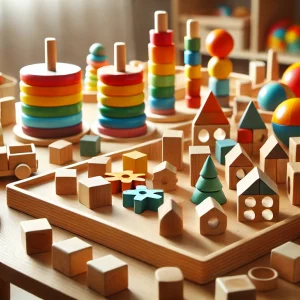
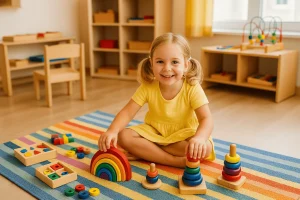
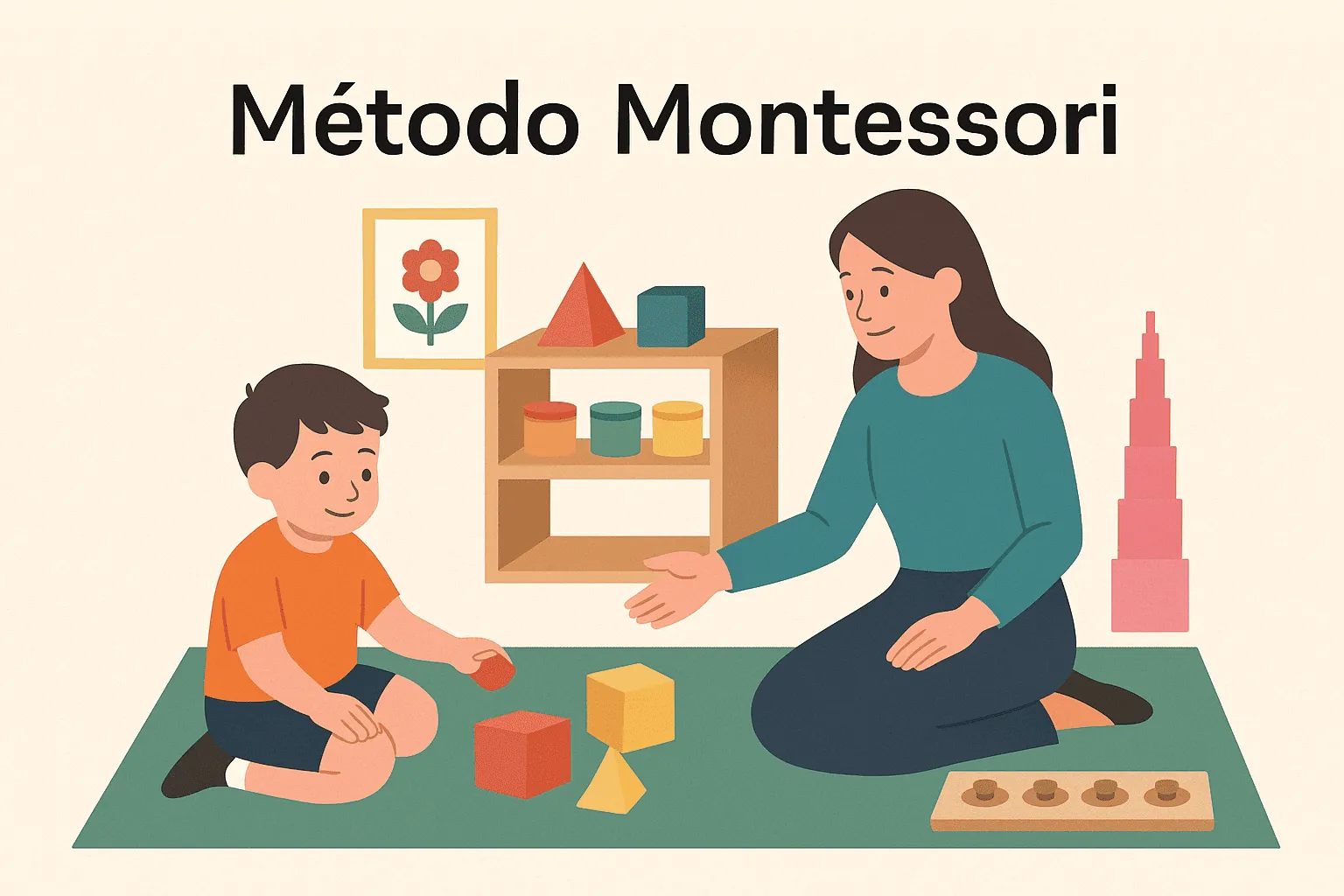
Montessori materials are specifically designed to be tactile and engaging, allowing children to learn through hands-on experience. These materials cover various subjects, including math, language, and culture, and are often self-corrective, enabling children to learn independently without direct instruction. This type of learning fosters critical thinking skills and problem-solving abilities.
Further Exploration of Montessori Offerings
If you’re interested in exploring more about how the Montessori method transforms education, check out our detailed guide on pedagogía Montessori. This guide delves into the transformative nature of this educational approach and how it can benefit young learners.
Montessori at Your Fingertips
In today’s increasingly digital age, finding Montessori resources has never been easier. Our website, Montessori Maria, not only provides comprehensive information but also features our AI assistant, MarÍA, who can guide you through various aspects of Montessori education. Whether you’re looking for schools or engaging with materials, MarÍA is here to support your journey.
Conclusion
As the global interest in Montessori grows, it’s essential for parents and educators to equip themselves with the right tools and understanding. By utilizing resources such as our Montessori locator and educational guides, you can demystify the Montessori method and discover how to apply its principles effectively in both home and school settings. Embrace the Montessori way, and watch as your child flourishes in an environment that prioritizes independence and love for learning.