Introduction
In recent years, searches such as “Montessori near me” and “Montessori school near me” have surged globally, reflecting a growing interest in the Montessori method as a viable educational approach. As parents and educators look for accessible Montessori resources, they often find themselves navigating the vast array of options available. Our website offers a Montessori locator that helps connect families with nearby schools and programs, allowing for increased accessibility to Montessori education. Explore diverse international examples that showcase the method’s versatile application. For instance, if you’re in Oberursel, Germany, you can find a local Montessori option at this link.
The Fundamental Principles of the Montessori Method
The Montessori method, developed by Dr. María Montessori, is grounded in the belief that children learn best through self-directed activity and hands-on experiences. This educational approach emphasizes the importance of fostering independence, respect for a child’s natural psychological development, and a carefully prepared environment that encourages exploration and discovery. It is a child-centered system that promotes active learning where children are empowered to take charge of their own education.
Key Principles of Montessori Education
1. Respect for the Child: Montessori education encourages adults to respect children’s choices and opinions, viewing them as capable individuals who can direct their own learning.
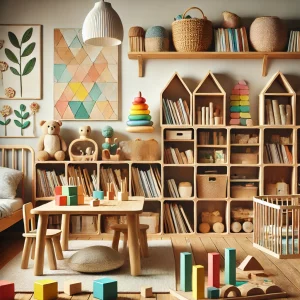
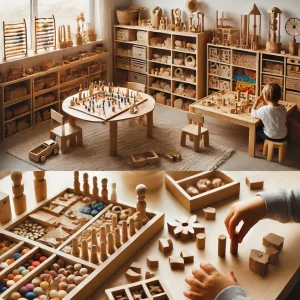
2. Prepared Environment: Classrooms are designed to be child-friendly, with materials accessible and tailored to promote engagement and exploration.
3. Mixed-Age Classrooms: Montessori classrooms often comprise mixed-age groups, facilitating peer learning and fostering social development.
4. Autonomy and Independence: Children are given the freedom to choose their activities, encouraging independence and decision-making skills.
Applying Montessori Principles at Home
Understanding how to incorporate the Montessori method at home can be a transformative experience for both children and parents. Here’s an example of a morning routine that embraces Montessori autonomy:
Montessori Morning Routine
Start by setting up an area where your child can independently choose their clothes for the day. This could include a low rack with hangers and a drawer with accessible items. By allowing the child to select their outfit, you are fostering a sense of ownership and promoting decision-making skills. Next, create a simple breakfast station that provides healthy options within reach; think low shelves with bowls of fruit, yogurt, or cereal. Encourage your child to serve themselves, nurturing their independence and fine motor skills. Finally, introduce a visual schedule that helps your child see the order of activities, which can help them transition smoothly to the next task.
The Role of Mixed-Age Classrooms
The mixed-age classroom is a hallmark of the Montessori method. It allows children of varying ages to learn from one another in a natural setting. Here’s a snapshot of how this works:
A Mixed-Age Classroom Scenario
Imagine a Montessori classroom with children ages 3 to 6. In this environment, older children often take on leadership roles, helping younger peers with tasks such as straightforward math exercises or reading activities. This peer teaching not only enhances the skills of the older children but also promotes a sense of community and cooperation among the children. For example, a 5-year-old might assist a 3-year-old in sorting colored blocks, which fosters social skills and reinforces the older child’s learning through teaching. Such collaborative opportunities are fundamentally important within the pedagogía Montessori.
Real-Life Applications of Montessori Principles
In both home and school settings, the application of the Montessori method can yield positive developmental outcomes. Here are several ways to observe these principles in practical, everyday scenarios.
Encouraging Independence
One major aspect of the Montessori method is encouraging independence in children. Whether at home or in school, this can be achieved through various strategies. For example, allowing children to select their own snacks during a break not only empowers them but also lets them manage their choices. This kind of decision-making builds confidence and reinforces responsibility.
Cultivating a Sense of Community
In Montessori classrooms, there’s a strong focus on creating a sense of community. Teachers often promote cooperation and kindness among peers. Activities may include group projects or collaborative exercises that require teamwork, aiding the development of social skills and the ability to work with others. This cultivation of community is essential for solidifying the learning environment as one that thrives on mutual respect and collaboration.
Finding Montessori Resources and Learning Opportunities
For parents and educators keen on adopting the Montessori method, finding reliable resources is crucial. Many families begin by searching for local Montessori schools with terms like “Montessori near me.” With the increasing demand for Montessori education, numerous resources such as books, websites, and workshops are available to aid understanding and implementation of the method. For more detailed insights, check out our article on todo lo que necesitas saber sobre el método Montessori.
Conclusion
The Montessori method offers a transformative approach to education, emphasizing respect, independence, and a love of learning. By understanding its core principles and practical applications, parents and educators can create enriching environments that support children’s natural development. To further explore the many facets of this educational method, visit our Montessori Maria website and its AI assistant MarÍA, which can provide tailored information and resources designed to meet your specific needs. Embrace the opportunities that the Montessori method offers and watch as your child flourishes in their learning journey.
Additional Resources
To deepen your understanding of the Montessori approach, read our comprehensive guides such as The Montessori Approach: A Comprehensive Guide for Parents and Educators, and learn more about Understanding Montessori: A Guide for Parents Seeking Learning Opportunities.