Introduction
In today’s rapidly changing educational landscape, searching for terms like “Montessori near me” and “Montessori school near me” is becoming exceedingly common. These searches highlight a global need for accessible Montessori resources and schools that embody the transformative principles of the Montessori method. Parents and educators alike are drawn to these approaches as they seek educational environments that prioritize independence, curiosity, and personalized learning.
At our Montessori Maria website, we provide a Montessori locator to help you find resources in your area, as well as international examples of successful Montessori implementations, such as in Oberursel, Germany. This guide will delve into the fundamental principles of the Montessori method and provide illustrative real-life scenarios to help you understand how Montessori education influences the lives of children.
Fundamental Principles of the Montessori Method
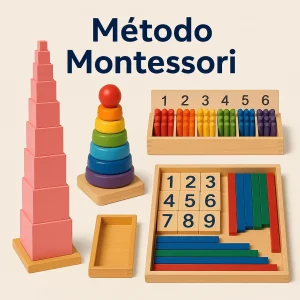
The Montessori method is an educational philosophy developed by Dr. Maria Montessori, centered around nurturing the individual potential of each child. This method is built on several key principles:
- Child-Centered Learning: Education should be tailored to the needs and interests of the child.
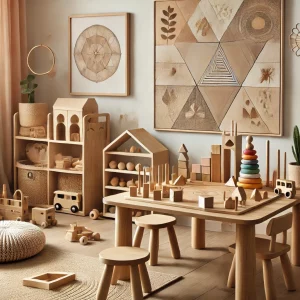
- Prepared Environment: The learning space is designed to encourage independence and exploration.
- Mixed-Age Classrooms: These settings foster collaboration and mentoring among students of different ages.
- Learning Through Play: Children learn best when they are engaged in hands-on activities that capture their interest.
- Autonomy and Responsibility: Children are encouraged to take charge of their learning journey, promoting a sense of responsibility.
Real-Life Application: A Morning Routine at Home
Imagine a typical weekday morning for a family with a five-year-old child employing Montessori principles. Instead of a parent rushing to complete morning tasks, the child is encouraged to start their day independently. The child has a designated space where their toothbrush, a small step stool, and their clothes are laid out. This setup fosters autonomy, allowing the child to engage in their morning routine, from brushing their teeth to dressing themselves, all while gaining confidence in their abilities.
At breakfast, a child can choose their meal from a range of healthy options laid out on a table where they can access dishes, cutlery, and food containers independently. This not only nourishes them physically but also empowers them to make choices, cultivating decision-making skills. Such routines enhance their capacity for self-reliance and give them a sense of ownership over their personal care.
Real-Life Application: A Mixed-Age Classroom
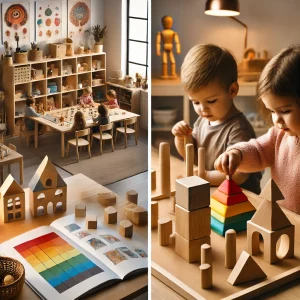
In a Montessori classroom, children of different ages mix freely, which promotes a unique learning environment. For instance, a class might include children aged three to six years old. The older children often take on a mentoring role, helping younger peers with various activities. This setup not only helps the younger children learn new skills but reinforces the older children’s knowledge and enhances their leadership abilities.
When a six-year-old helps a three-year-old with a puzzle, both children benefit significantly. The younger child is encouraged to explore problem-solving, while the older child reinforces their own understanding of cognitive skills and patience. This social interaction is vital for emotional and social development, showcasing one of the key benefits of the Montessori approach.
The Role of Educators in the Montessori Method
In Montessori education, teachers are referred to as “guides.” Rather than directing learning, they observe children, understand their needs, and provide opportunities for exploration and discovery. This balance is critical as it allows children to learn at their own pace. Guides also prepare the learning environment, ensuring it is stocked with materials that inspire curiosity and creativity.
Additionally, ongoing professional development is essential for Montessori educators. Understanding the philosophy behind pedagogía Montessori helps them facilitate a supportive atmosphere where every child can thrive.
The Impact of the Montessori Method
Research on the Montessori method indicates positive outcomes in children’s academic performance, social skills, and emotional well-being. Studies have shown that children educated through Montessori often excel in standardized testing, demonstrate higher levels of critical thinking, and possess a stronger sense of social responsibility. These elements highlight the long-term impact of the Montessori method not only on academic success but also on personal growth.
Key Benefits of the Montessori Method
1. Enhanced Independence: Children learn to manage their activities and take responsibility for their learning journey.
2. Social Development: With mixed-age classrooms, children develop social skills through collaboration.
3. Focus and Concentration: Montessori environments promote engaged learning, allowing children to focus on activities that interest them.
4. Critical Thinking: Through hands-on materials and problem-solving tasks, children enhance their cognitive skills.
Getting Started with Montessori
Are you interested in integrating Montessori principles at home or in your educational setting? There are many resources available to adults who want to better understand the Montessori method. Our Montessori AI assistant MarÍA can guide you through the essentials, helping parents and educators learn and implement Montessori strategies effectively. You can also read more about understanding Montessori pedagogy and its transformative potential.
Conclusion
As the demand for Montessori education continues to rise, connected resources and tools are essential. Whether you are searching for a Montessori school or exploring how to incorporate Montessori principles at home, our website is a valuable resource to support your journey.
More than just an educational method, the metodo Montessori fosters a lifelong love for learning while nurturing independence and curiosity in every child. For more information and to find a school near you, visit Montessori near me.
Explore More
To learn more about the impact of Dr. Maria Montessori on education today, explore our recent articles: