Introduction
In recent years, many individuals have turned to the internet with searches like “Montessori near me” and “Montessori school near me”, reflecting a growing need for accessible Montessori resources around the world. This interest indicates a desire for a more holistic approach to education and child development, one where children can thrive in environments designed for their innate curiosity and independence. Our website offers a Montessori locator that can connect parents and educators with schools and resources available internationally. For instance, if you are in Oberursel, Germany, you can find valuable resources here.
The Fundamental Principles of the Montessori Method
The Montessori method, developed by Maria Montessori, is rooted in several core principles aimed at fostering independence, respect for a child’s natural psyche, and a love of learning. These principles include:
- Child-Centered Learning: The method is designed around the child’s needs, interests, and learning pace.
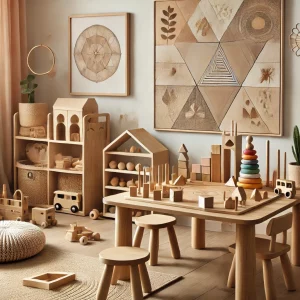
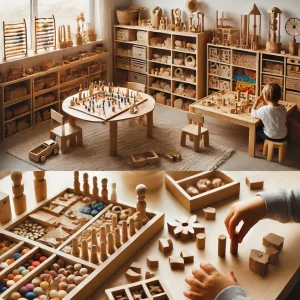
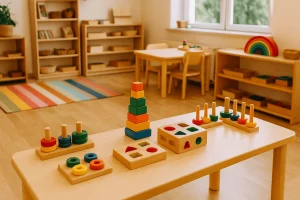
- Prepared Environment: Classrooms and home environments are structured so children have easy access to materials that inspire exploration and creativity.
- Mixed-Age Classrooms: Promotes peer learning and collaboration among different age groups.
- Freedom Within Limits: Children are given the freedom to choose their activities, with boundaries that guide their exploration.
- Respect for the Child: A fundamental belief in the capabilities and potential of each child.
Real-Life Application: A Morning Routine at Home
To illustrate these principles in action, let’s consider a typical morning routine at home using Montessori autonomy. Imagine a child waking up and choosing not only when to rise but also how to start their day. The bathroom is outfitted with a step stool, allowing the child to reach the sink to brush their teeth independently. Nearby, a low-hanging closet contains their clothing options, fostering decision-making skills as they select their outfit for the day.
This autonomy not only empowers the child but also cultivates responsibility, a critical aspect of the Montessori philosophy. Preparing their breakfast—perhaps pouring cereal or spreading peanut butter on toast—further enhances their independence and builds confidence in their abilities. This scenario rewards children with a sense of accomplishment and prepares them to face the rest of their day enthusiastically.
The Classroom Experience: Mixed-Age Scenarios
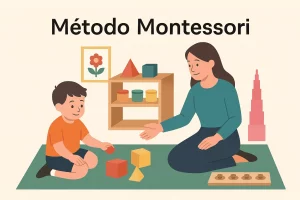
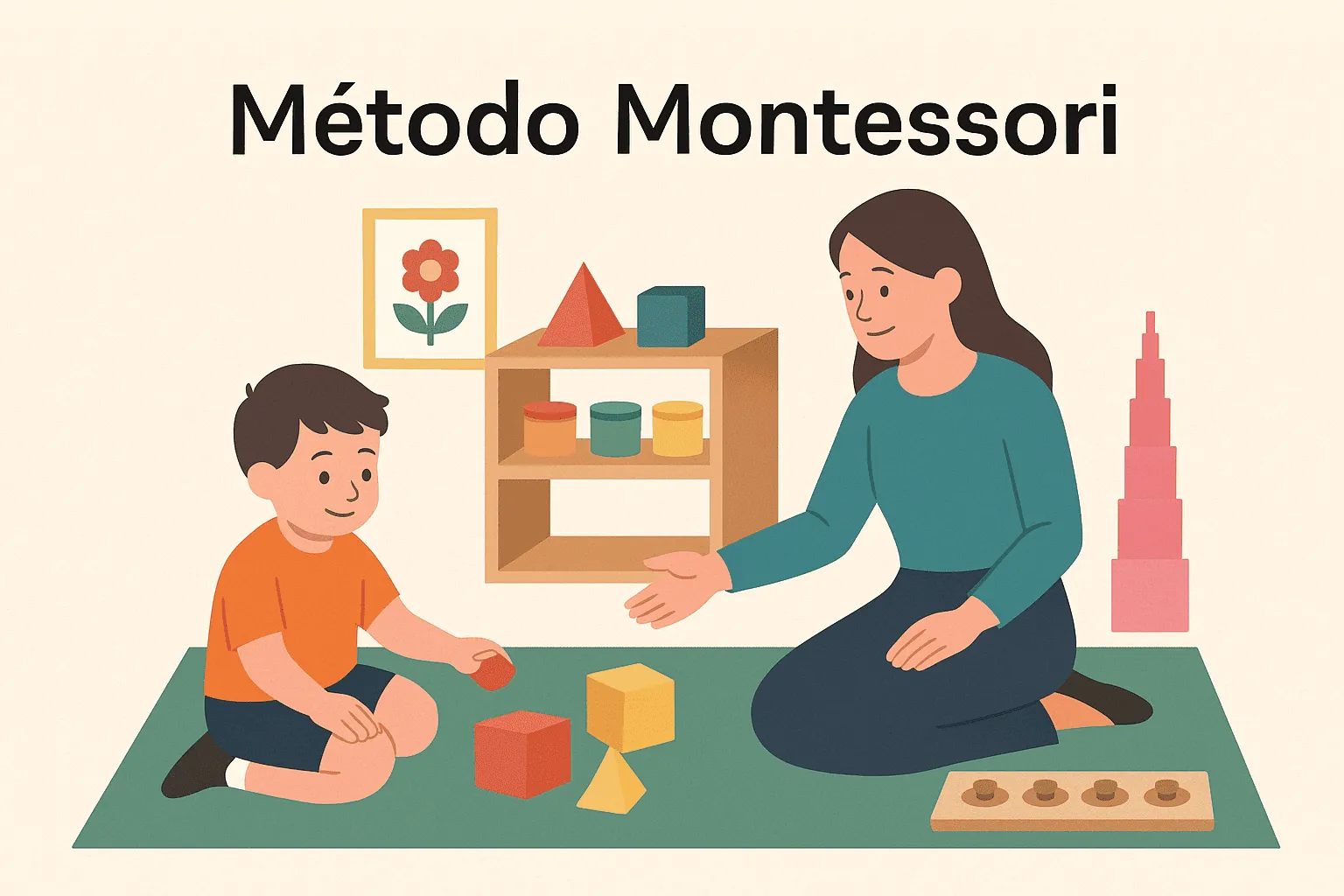
In a Montessori classroom, the mixed-age setting is a hallmark of the method that allows for diverse interactions. For instance, let’s look at a scenario where a 6-year-old is working with a 3-year-old on a building block project. The older child sees the younger one struggling to stack blocks and steps in to offer guidance.
This peer-to-peer interaction builds both children’s developmental skills—one enhancing their ability to explain and lead, while the other benefits from active engagement and encouragement. Here, the Montessori approach highlights collaborative learning, which fosters a strong community spirit and creates a more dynamic educational experience. Through these types of interactions, children learn empathy and communication skills, essential traits in today’s interconnected world.
Adopting the Montessori Method: Tips for Parents and Educators
Transitioning to the Montessori method can be both exciting and challenging. Here are some tips for parents and educators who want to incorporate a Montessori approach in their homes or classrooms:
- Create a Prepared Environment: Design spaces that encourage independence. For instance, have accessible shelves where children can reach and choose materials suited for their age.
- Encourage Autonomy: Allow children to make choices throughout the day—whether that means selecting meals, choosing tasks, or deciding how to spend their free time.
- Be a Guide, Not a Director: In the Montessori method, the educator’s role is to facilitate learning rather than dictate it. This means observing children’s interests and intervening only when necessary.
- Incorporate Hands-On Activities: Utilize practical life skills as a means of learning. Cooking, gardening, and even simple household chores can be learning opportunities.
Understanding Montessori Principles in Depth
For a more comprehensive understanding of the Montessori system, visit our detailed section on pedagogía Montessori. Here you will find thorough explanations of how these principles can be applied effectively.
Challenges and Considerations
While the Montessori method is highly beneficial, it can also pose challenges, particularly in traditional settings. Teachers accustomed to a structured curriculum may find it difficult to adapt to a more fluid and child-led framework. Conversely, parents may struggle to adopt these principles at home, especially if their educational experiences were more conventional.
To ease this transition, educators and parents can seek out support from resources and communities dedicated to Montessori education. This engagement can foster a deeper understanding and allow them to share experiences and strategies for overcoming common obstacles.
Additional Resources
To further enhance your knowledge, you can read our latest articles on understanding Maria Montessori’s impact on education and her revolutionary techniques. Here are some recommended reads:
- Understanding Maria Montessori: A Guide for Parents and Educators
- Understanding Montessori Pedagogy: A Comprehensive Guide
- Exploring Montessori Education: A Comprehensive Guide
- The Impact of Montessori Education on Child Development
- Understanding Maria Montessori: A Continued Exploration
Conclusion
As the interest in alternative education methods like the Montessori method continues to grow, it’s essential for parents and educators to understand its fundamental principles and how to implement them effectively. Whether you are seeking Montessori schools near you or looking to adopt Montessori principles at home, resources and communities dedicated to this pedagogical approach are widely available. Visit our Montessori Maria website and its AI assistant MarÍA for further assistance and guidance as you explore this enriching educational philosophy.