Introduction: The Increasing Demand for Montessori Resources
The interest in the Montessori approach to education has seen a significant rise in recent years. Common searches such as “Montessori near me” and “Montessori school near me” indicate a global need for accessible Montessori resources. This growing demand reflects parents’ and educators’ desire to find environments where children can thrive through self-directed learning. To assist with this, our Montessori locator provides tools to find relevant resources worldwide, including examples from cities like Oberursel, Germany.
The Fundamental Principles of the Montessori Method
Developed by Dr. María Montessori, the Montessori method emphasizes child-led learning within structured environments. The core principles include respect for the child, the prepared environment, hands-on learning, and mixed-age classrooms. This unique approach allows children to take charge of their own education, fostering independence, curiosity, and a love for learning.
Respect for the Child
At the heart of the Montessori method is a profound respect for each child’s individuality. Each child is viewed as a unique being with their own set of interests and abilities. This principle encourages educators and parents to listen to and observe children, adapting their approaches to meet the needs and pace of each learner.
The Prepared Environment
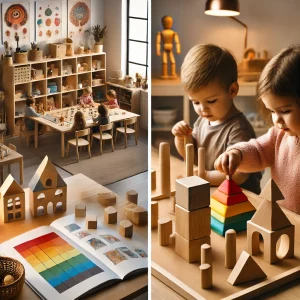
The prepared environment is a key element of Montessori education. Classrooms are designed to provide children with access to a variety of hands-on learning materials and activities that encourage exploration and discovery. This safe and organized setting allows children to freely navigate their educational journey while supporting their developmental needs and interests.
Hands-On Learning
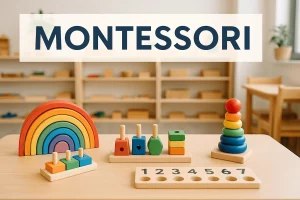
In a Montessori environment, children learn through direct interaction with materials. This hands-on approach enables children to internalize concepts and develop problem-solving skills. Activities are designed to engage multiple senses and promote critical thinking, ensuring that learning is an active rather than passive process.
Mixed-Age Classrooms
Another significant aspect of the Montessori method is the use of mixed-age classrooms. This structure allows younger children to learn from older peers, while older children reinforce their knowledge by teaching others. Such interactions nurture social skills, empathy, and collaboration, creating a sense of community within the classroom.
Real-Life Applications of the Montessori Method
The Montessori method can be implemented both in schools and at home. To illustrate its effectiveness, let’s explore two real-life scenarios: a morning routine at home and a mixed-age classroom situation in a school.
A Morning Routine at Home Using Montessori Autonomy
Consider a typical morning at home with a 4-year-old child. Instead of a frantic rush, the Montessori method encourages autonomy. The child is allowed to wake up at their own pace, choosing their clothes from a designated area that offers a carefully curated selection tailored to their size and preferences. Breakfast choices are made from healthy options, encouraging decision-making skills. The child can help prepare their meal, fostering practical life skills and boosting confidence. This respectful and nurturing approach allows the child to take charge of their morning routine, promoting a sense of independence and responsibility.
A Mixed-Age Classroom Scenario in a Montessori School
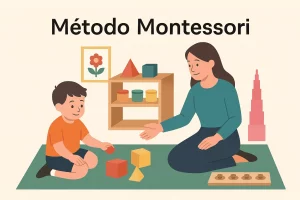
In a Montessori classroom, you might find children aged 3 to 6 years learning together. An elder child, who has mastered a particular skill, might help a younger peer navigate through a challenging activity, such as building with blocks. This interaction not only solidifies the elder child’s understanding but also promotes social skills and empathy as they learn to help one another. The teacher observes and facilitates rather than directs, allowing children to learn at their own pace.
The Legacy of María Montessori
María Montessori’s innovative work laid the foundation for a transformative approach to education. Her focus on individualized learning and respect for children’s natural development has inspired countless educators and parents around the world. To delve deeper into her philosophy and contributions, you can explore everything you need to know about María Montessori.
Benefits of the Montessori Method
Implementing the Montessori method offers numerous benefits for children, including enhanced cognitive skills, improved social interactions, and increased self-motivation. Because children are encouraged to follow their interests, they often develop a deeper connection to their education. Furthermore, the emphasis on community and collaboration fosters respect, empathy, and a sense of belonging.
Supporting Parents and Educators
For those new to the Montessori approach, it might seem daunting. However, various resources are available to assist parents and educators on this journey. Our guide on understanding Montessori offers insights into the educational philosophy and practical methods of implementing it in daily life.
Exploring the Montessori Pedagogy
To gain a deeper understanding of this educational method, it’s crucial to learn about Montessori pedagogy. It lays out the fundamental philosophies and teaching techniques that distinguish this method from traditional education.
Conclusion: Embracing the Montessori Method
The Montessori method is a powerful approach that honors the child as an active participant in their learning journey. Whether at home or in a school environment, implementing its principles can bring transformative results. For those looking to find a Montessori option nearby, our Montessori locator is a valuable tool to connect you with educational opportunities that foster independence and a lifelong love for learning. Visit our Montessori Maria website and engage with our AI assistant MarÍA for further support and information on integrating Montessori practices into your lives.