Introduction
In today’s world, many parents and educators are searching for effective and nurturing educational philosophies for children. Common searches such as “Montessori near me” and “Montessori school near me” indicate a growing global need for accessible Montessori resources. This is where our website, which offers a Montessori locator feature and international examples, comes into play. Understanding the Montessori method can easily be within your reach, allowing you to implement its principles whether you’re considering a school setting or a home environment.
The Fundamentals of the Montessori Method
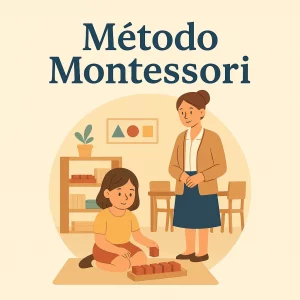
The Montessori method, developed by Dr. María Montessori, is an educational approach that emphasizes autonomy, hands-on learning, and respect for a child’s natural psychological, physical, and social development. One of the key principles is that children learn best when they are actively engaged in their own learning process. This child-centered philosophy encourages independent exploration and discovery, leading to a deeper understanding of concepts.
Dr. María Montessori believed that education should be an aid to life, rather than a preparation for it. Her approach focuses on creating a prepared environment that fosters learning. This environment is rich with materials and opportunities for the child to explore at their own pace, whether at home or in a group setting.
Real-Life Applications of the Montessori Method
Montessori Autonomy at Home: A Morning Routine
Let’s take a look at a typical morning routine in a Montessori-inspired home. Instead of rushing children to get ready for school, parents can create a space that encourages independence. For example, a child might have a designated section in the kitchen where they can prepare their own breakfast. This autonomy not only fosters self-sufficiency, but also builds confidence as they learn to manage simple tasks, such as pouring cereal or spreading butter.
To facilitate this, parents can lay out routines visually using picture schedules, which help children understand their tasks for the morning. When a child can choose their clothes from a pre-selected wardrobe or pour their own drink, they feel empowered and responsible, reflecting the true essence of the método Montessori.
A Mixed-Age Classroom Scenario
In a Montessori classroom, children of various ages are grouped together, which allows for collaborative learning opportunities. For instance, in a mixed-age classroom, a 6-year-old may help a younger child with a puzzle, reinforcing their own knowledge while also teaching a peer. This dynamic creates a sense of community and helps children develop social skills and empathy.
Working with mixed-age groups also allows children to learn from one another and engage in peer-to-peer teaching. This practice encourages students to take responsibility for their learning and gives them the chance to work at their own levels. The emphasis is on the children’s choice and their natural inclination to learn from each other, aligning beautifully with the principles of pedagogía Montessori.
Understanding Different Learning Styles
The Montessori method recognizes that children have distinct learning styles and paces. By offering a range of materials and activities, the method allows children to explore different modes of learning. Some may gravitate towards hands-on activities, while others may prefer auditory or visual tasks. This approach not only respects individual differences but also encourages a love for learning.
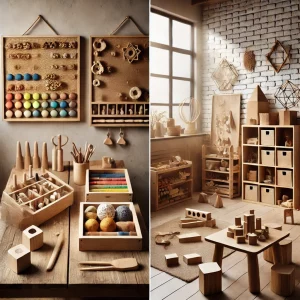
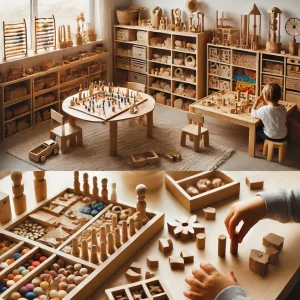
For example, a child who struggles with numbers may find joy in learning math through tangible objects like beads or blocks. This hands-on experience often leads to more profound understanding than conventional rote learning methods. A child can manipulate these materials to solve problems, develop their reasoning skills, and grasp abstract concepts in a way that resonates with their unique learning style.
Embracing the Montessori Environment
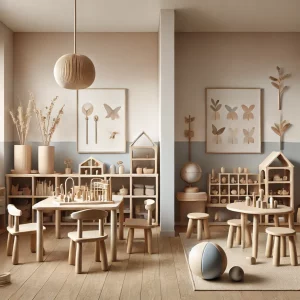
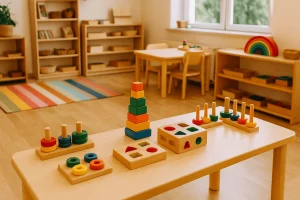
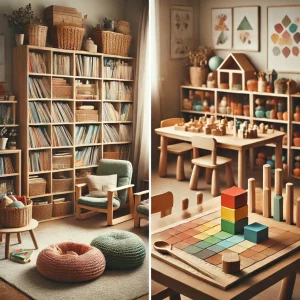
Whether at home or in a Montessori school, the environment plays a crucial role in the learning process. Montessori classrooms are usually designed with child-sized furniture, accessible materials, and organized spaces that encourage exploration. The idea is to make the learning environment as welcoming and engaging as possible, ensuring that children feel comfortable to explore and learn independently.
The layout of a Montessori classroom is intentional: various stations cater to different subjects or skills, such as language, math, science, and practical life. This organization helps children select their activities and encourages self-directed learning. Through this autonomy, they learn not just academic content, but crucial life skills like decision-making and responsibility.
The Role of the Educator
In the Montessori method, the educator’s role is that of a guide or facilitator rather than a traditional instructor. The educator observes children to understand their interests and developmental needs, providing support and resources to spark their curiosity. This observational role is key, as it allows educators to create tailored learning experiences that suit each child’s pace.
When educators respect children as individuals, they foster a sense of respect and dignity that can have lasting effects on their development. This relationship between educator and student is fundamental to the Montessori experience, where trust and understanding lead to a more effective learning process.
Global Growth and Accessibility of Montessori
The demand for Montessori education has been rapidly expanding worldwide, leading to an increase in schools, resources, and communities dedicated to the method. With this growth comes the challenge of finding Montessori options tailored to local needs, which is why our Montessori locator serves as a valuable resource. You can find details about Montessori programs in your area, such as a specific example in Oberursel, Germany, by visiting our Montessori locator.
How Our Website Can Help
For those exploring the benefits of Montessori, our Montessori Maria website and its AI assistant MarÍA provide an array of information and tools. From understanding the foundational ideas of Dr. María Montessori to finding supportive resources for parents and educators, our platform is designed to make the Montessori philosophy more accessible.
Conclusion
Understanding the Montessori method can be transformative for both children and adults involved in the educational process. Parents and educators alike can embrace this approach, helping children develop the skills they need to thrive in life. As interest in Montessori continues to grow, we encourage parents to explore resources, including our latest articles and guides, to gain a deeper understanding of this remarkable educational philosophy.