The Growing Interest in Montessori Education
In today’s fast-paced world, parents and educators are increasingly searching for effective and holistic educational approaches that cater to their children’s individual needs. Searches like “Montessori near me” and “Montessori school near me” reflect a global demand for accessible Montessori resources that promote child-centric learning. Our website offers a Montessori locator, providing valuable information and examples from around the globe, like the Montessori schools in Oberursel, Germany, to help you find the right environment for your child.
The Fundamental Principles of the Montessori Method
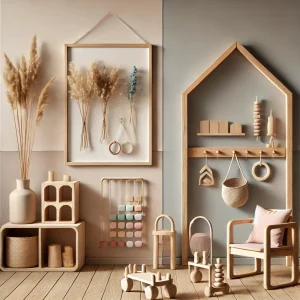
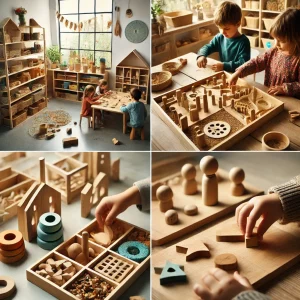
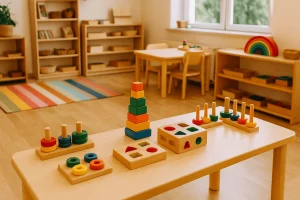
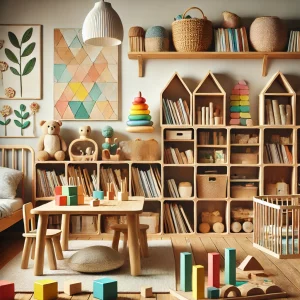
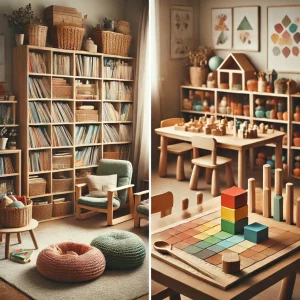
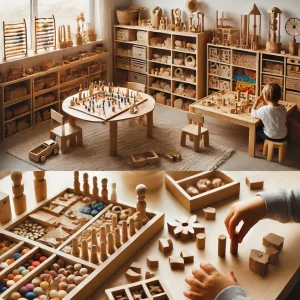
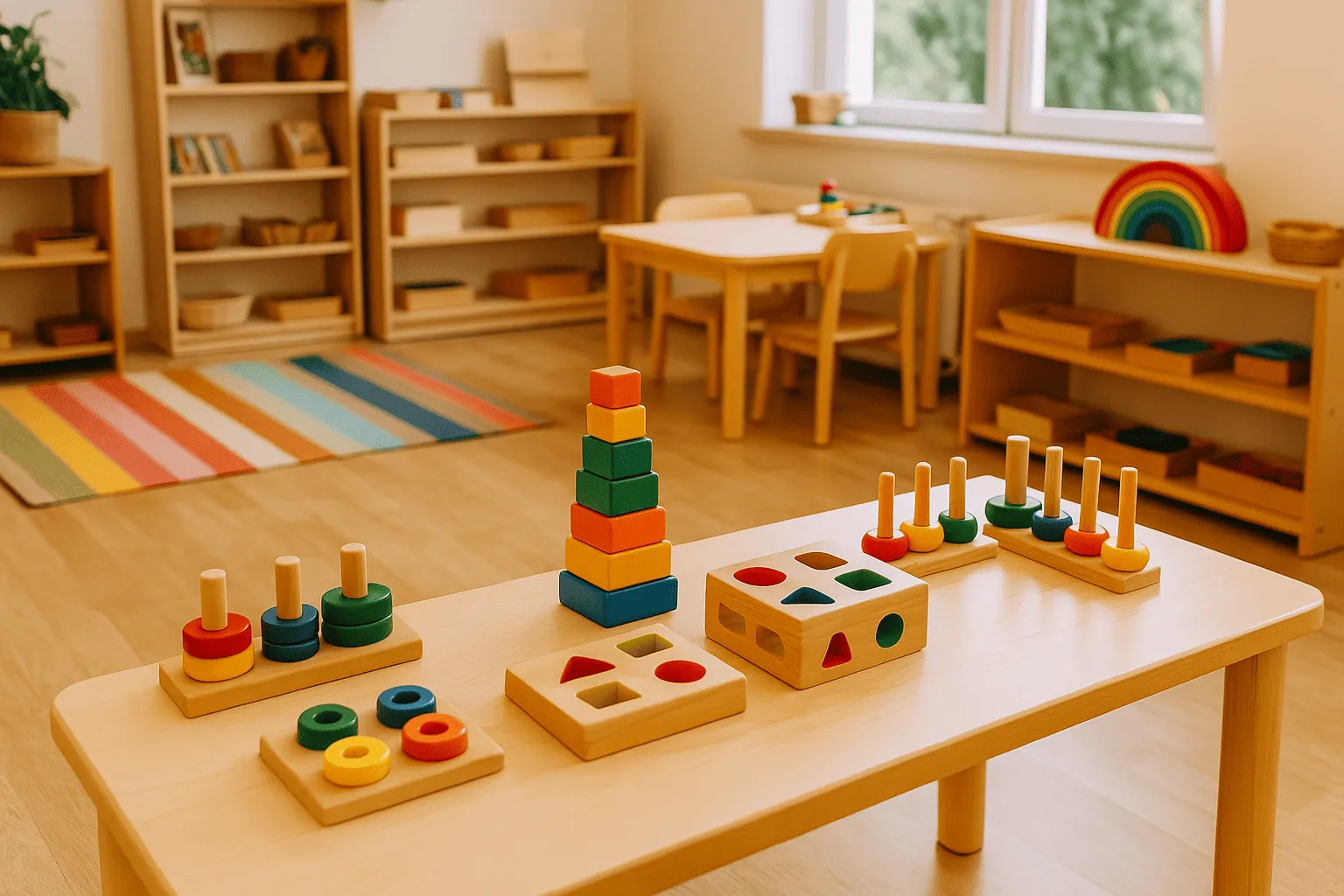
The Montessori method is built on several core principles that prioritize the development of the whole child. One of the most distinctive aspects of this approach is the belief in the importance of a prepared environment that is rich in materials and resources to foster independence, curiosity, and creativity. Children are encouraged to explore at their own pace, allowing them to develop a sense of autonomy and responsibility for their learning.
Key Principles of Montessori Education
Among the essential principles of the Montessori method are:
- Self-directed learning: Children decide what to work on and when, enhancing their ability to concentrate and engage meaningfully with the material.
- Mixed-age classrooms: These settings allow younger children to learn from older peers while providing older children the opportunity to reinforce their knowledge by teaching younger ones.
- Observation and guidance: Educators act as guides rather than traditional instructors, observing children to understand their interests and developmental stages.
Real-Life Applications of the Montessori Method
To illustrate the effectiveness of the Montessori method, let’s explore two real-life scenarios—one at home and one in a school setting.
Montessori Morning Routine at Home
Imagine a typical morning in a household that practices the Montessori approach. Instead of a parent clashing with their child to get ready for school, the parents have set up a morning routine that fosters autonomy. The child has access to a child-sized mirror, toothbrush, and soap, allowing them to wash their face and brush their teeth independently. A visual schedule featuring pictures and steps guides them through tasks like dressing and preparing breakfast. By allowing the child to navigate their morning, parents are not only saving time but also cultivating a sense of independence and responsibility.
Mixed-Age Classroom Scenario
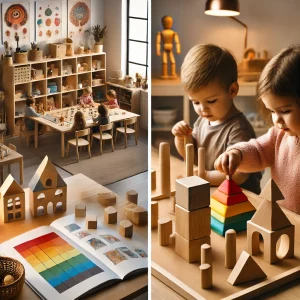
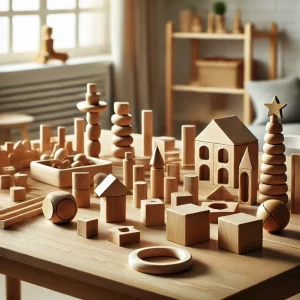
In a Montessori classroom, you will typically find children of varying ages working side by side. In one corner, a five-year-old is meticulously building a tower with wooden blocks, while a seven-year-old is engrossed in reading a book about the solar system. The younger child is drawn to the older child’s activity and asks questions about the book, while the older child takes the opportunity to explain concepts they’ve learned. This peer-to-peer interaction enriches the learning experience for both children and exemplifies the collaborative spirit fundamental to the Montessori method.
Exploring the History and Legacy of Montessori Education
The Montessori method was developed by María Montessori in the early 1900s. She emphasized the importance of respectful observation and creating an environment where children could learn according to their natural interests. With over a century’s worth of evidence supporting its effectiveness, the Montessori method remains a transformative approach to education.
Montessori Resources for Parents and Educators
As you explore the possibilities of implementing the Montessori approach at home or in a school environment, resources are available to guide you. Our website is a treasure trove of information where parents and educators can learn todo lo que necesitas saber sobre el método Montessori. You can easily find articles ranging from comprehensive directives on the theory and practice of pedagogía Montessori to practical tips for integration within your family.
The Role of Technology in Montessori Education
While the Montessori method emphasizes hands-on learning and tangible materials, technology can play a supportive role in this educational philosophy. For instance, our Montessori Maria website and its AI assistant MarÍA can help guide parents in finding resources, information, and further support as they venture into the Montessori learning journey. Integrating tech responsibly can provide an innovative supplement to traditional Montessori techniques.
Conclusion: The Ongoing Journey with Montessori
In conclusion, the Montessori method offers a wealth of opportunities for growth, learning, and transformation for children, parents, and educators alike. As interest in this educational philosophy continues to rise, it is crucial to understand its principles deeply and find suitable resources for implementation. For more insights and support, do not hesitate to explore our website and discover the nearest Montessori institutions via our Montessori locator. Your child’s journey toward independence and creativity could very well begin here.
If you want to dive deeper into Montessori education, check out our latest articles: Understanding María Montessori, Discovering Montessori, Montessori Pedagogy, and more!