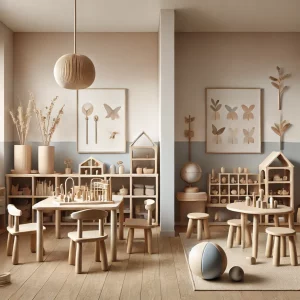
The Growing Interest in Montessori Education
In recent years, parents and educators across the globe have increasingly turned to search engines with queries like “Montessori near me” and “Montessori school near me”. These searches reflect a burgeoning demand for accessible Montessori resources, as families and institutions awaken to the benefits of this educational approach. At our Montessori Maria website, we offer a comprehensive Montessori locator, supporting your search for effective Montessori environments, with examples from around the world, including specific locations such as Oberursel, Germany.
What is the Montessori Method?
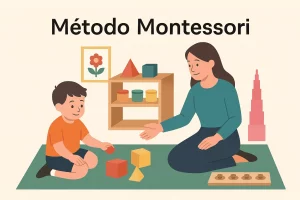
The Montessori method is an educational approach developed by Dr. María Montessori in the early 1900s. It centers on promoting children’s innate desire to learn by providing a specially prepared environment that encourages self-direction and autonomy. The core principles include:
Child-Centered Learning
One of the fundamental tenets of the Montessori method is that children learn best when they take control of their own education. In a Montessori classroom, children are free to choose their activities, following their interests at their own pace. This contrasts sharply with traditional teaching methods, where the curriculum is usually dictated by the teacher.
Prepared Environment
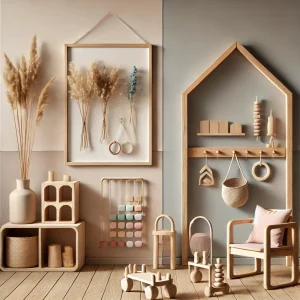
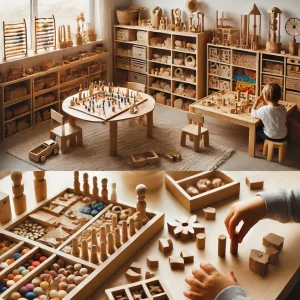
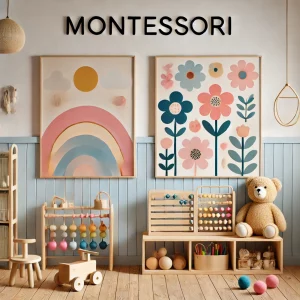
The environment is intentionally designed to facilitate independent learning. Materials are organized and accessible, and the space is adapted to meet the developmental needs of the children. Each item in the environment is carefully chosen to encourage exploration and discovery.
Mixed-Age Classrooms
Montessori classrooms typically consist of mixed-age groups, allowing children to learn from one another. Older children can reinforce their knowledge by helping younger peers, fostering a sense of community and collaborative learning in the process.
Real-Life Examples of Montessori in Action
To illustrate how the Montessori method works in practice, let’s examine two real-life scenarios: a typical morning routine at home and a classroom setting in a Montessori school.
Morning Routine at Home
Consider a family with a young child implementing Montessori principles in their morning routine. Instead of the parent preparing breakfast and dressing the child, they begin by preparing a designated space in the kitchen and bathroom that allows the child to make choices. The child can pick their outfit from a few pre-selected clothing options, allowing for autonomy. In the kitchen, low shelves hold safe, accessible breakfast options such as fruit, yogurt, and cereals. This setup permits the child to independently prepare their meal, fostering confidence and self-sufficiency.
Montessori Classroom Scenario
In a Montessori school, the mixed-age classroom dynamic serves as an exemplary model of the method in action. A classroom with children aged 3 to 6 years old encourages interactions between various age groups. A 5-year-old may be teaching a 4-year-old how to use a sensory bin, while another child engages in a mathematical activity. This organic peer-to-peer learning cultivates social skills, empathy, and collaboration. The teacher acts as a facilitator, guiding children’s learning without overtaking their exploration.
The Importance of Autonomy and Independence
The Montessori method emphasizes the importance of fostering independence in children. This is not just about allowing them to do things for themselves but also instilling a sense of responsibility and respect for their environment and others. Encouraging children to make choices and solve problems on their own promotes critical thinking and decision-making skills essential in real life.
If you’re interested in learning “todo lo que necesitas saber sobre el método Montessori,” our resources can guide you through the intricacies of this transformative approach.
Benefits of Montessori Education
Numerous studies and testimonials from parents and educators highlight the benefits of the Montessori method. Children educated through Montessori principles often demonstrate:
Enhanced Problem-Solving Skills
By engaging in hands-on activities and collaborative projects, children develop strong analytical skills. They learn to approach problems methodically, experimenting and discovering solutions independently.
Improved Social Skills
The mixed-age environment encourages positive social interactions, teaching children how to work collaboratively, share, and resolve conflicts amicably.
Love for Learning
When children pursue their interests, they cultivate a genuine love for learning. This intrinsic motivation nurtures a lifelong learning attitude, crucial for future educational endeavors.
Integrating Montessori Principles at Home
Even if you don’t have access to a Montessori school, you can integrate Montessori principles into your home life. Start by creating a prepared environment that encourages independence. Here are some practical ideas:
Designated Play Areas
Create a dedicated space for your child to explore. Include age-appropriate materials that can be used independently, such as art supplies, books, or building blocks.
Encourage Decision-Making
Provide choices in daily routines, from picking out clothes to choosing snacks. This empowers children, enhancing their confidence in decision-making.
Limit Screen Time
Instead of screens, encourage hands-on activities that allow for creativity and exploration.
Exploring Further Resources
At our Montessori Maria website, you can find various resources tailored for parents and educators. They are aimed to deepen your understanding of the Montessori approach and how to implement it effectively. From detailed guides, such as the understanding Montessori pedagogy, to insights on Dr. María Montessori’s legacy, you will find a treasure trove of information.
Seeking Guidance with AI Assistant MarÍA
If you’re feeling overwhelmed by the plethora of information available, don’t hesitate to check out our Montessori Maria website and its AI assistant MarÍA. This AI-powered tool is designed to help you navigate Montessori resources tailored to your unique needs.
Conclusion
As more families and educators seek greater understanding of the Montessori method, the importance of accessible information cannot be overstated. The ability to explore Montessori philosophies and methodologies nurtures our children’s growth in meaningful ways. By embracing the principles of independence, respect, and collaboration, we can all contribute to building an enriching environment for the next generation.