Introduction
In recent years, a growing interest in the Montessori method has surged, reflected in common online searches such as “Montessori near me” and “Montessori school near me.” These inquiries highlight a global demand for accessible Montessori resources and schools that adhere to this unique educational philosophy. To aid parents and educators in finding suitable Montessori environments, we provide a Montessori locator, showcasing various international examples, such as the options available in Oberursel, Germany (Montessori near me in Oberursel).
The Fundamental Principles of the Montessori Method
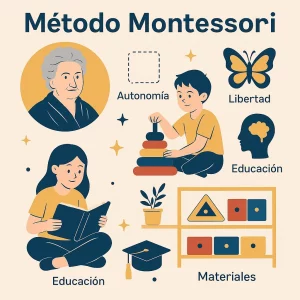
The Montessori method, developed by María Montessori in the early 20th century, revolves around several key principles that respect and nurture a child’s natural development. These principles encourage independence, respect for a child’s natural psychological, physical, and social development, and the importance of a prepared environment tailored to their specific learning needs.
Child-Centered Learning
At the heart of Montessori is the idea that children learn best when they are allowed to explore their interests at their own pace. This child-centered approach fosters independence and boosts their self-esteem. In a Montessori classroom, children of varying ages work together in mixed-age groups. This dynamic allows younger children to learn from their older peers while reinforcing the knowledge of older students through teaching. This method prepares children not only academically but also socially.
Real-Life Situation: Morning Routine at Home
Imagine a morning routine that incorporates Montessori principles at home. Instead of dictating a strict sequence of events, parents can create an environment filled with opportunities for children to make choices. For instance, a toddler could choose their own clothes from a low-hanging rack, promoting autonomy and self-confidence. Breakfast options are laid out on accessible shelves, allowing children to select their preferred items. By engaging in these everyday tasks, children develop a sense of responsibility and independence, essential elements of the Montessori philosophy.
Real-Life Situation: Mixed-Age Classroom Scenario
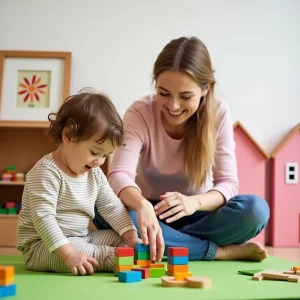
In a Montessori school, the classroom setting is often designed to facilitate cross-age interaction. In one example, a 5-year-old child might help a 3-year-old learn how to use a sensory bin filled with rice. This not only reinforces the older child’s understanding as they teach but also cultivates patience and collaboration within the younger child. This mixed-age learning environment mimics family and community structures, preparing children for real-world social interactions.
Exploring Montessori Resources
For parents and educators looking to delve deeper into the Montessori method, our website is replete with useful information. We cover everything you need to know about the Montessori method in detail through articles and guides. You can start with our comprehensive resource, todo lo que necesitas saber sobre el método Montessori, which explains the foundations of this educational philosophy.
Montessori Pedagogy
Understanding the pedagogy is vital for effective implementation at home or in schools. Our exploration into pedagogía Montessori opens pathways not only to Montessori in schools but also to the principles that can be integrated into everyday parenting.
Benefits of the Montessori Method for Parents and Educators
Parents and educators who adopt the Montessori method often notice significant benefits. These include increased independence among children, improved social interactions, and a love of learning. By acknowledging children as active participants in their education, the Montessori approach cultivates critical thinking and a growth mindset.
Real-Life Situation: A Classroom in Action
In a Montessori classroom, students can choose from a variety of activities. A group of children may be engaged in a science project, another may be at the art station creating masterpieces with a myriad of materials, while others practice mathematics using tactile learning tools. The teacher, as a guide rather than a lecturer, moves fluidly among the students, offering assistance only when truly needed. This respect for the child’s learning process nurtures curiosity and a passion for exploration.
The Role of Teachers in Montessori
Teachers in Montessori settings are often referred to as ‘guides.’ Their role is multifaceted: observing children to understand their interests and needs while providing the right tools and resources for learning. This approach means that teachers prioritize listening over lecturing, creating a supportive framework within which children thrive.
Using AI to Support Montessori Learning
In this digital age, integration of technology into Montessori learning can also be beneficial. Our Montessori Maria website and its AI assistant MarÍA offer innovative resources and guidance, answering questions about Montessori practices and supplying customized advice for implementing them in both home and classroom settings.
Finding the Right Montessori Environment
To ensure that children have the best Montessori experience, it’s crucial to find an authentic Montessori environment. Using our Montessori locator, parents can discover nearby schools that uphold the values and practices of the method. Investigating local options, visiting schools, and asking specific questions about their adherence to Montessori principles is essential for a well-rounded educational experience.
Challenges in the Montessori Approach
While the Montessori method yields numerous benefits, it is essential to address some challenges that may arise. The initial transition to a Montessori style of education can be difficult for both children accustomed to traditional schooling and parents used to structured education systems. Parents may need to adapt their expectations of control over the learning process. Open communication with teachers can ease this transition for everyone involved.
Resources for Further Learning
For those keen on enhancing their understanding of the Montessori method, a plethora of resources are available. You can read our guide, Understanding the Montessori Method: A Guide for Parents and Educators, which provides additional insights, or explore Understanding Montessori: A Comprehensive Guide for Parents and Educators.
Conclusion
Understanding and implementing the Montessori method can fundamentally change how children perceive education and cultivate their abilities. By empowering children through independence, respect, and collaboration, parents and educators can create an enriching environment that fosters life-long learners. If you’re curious to learn more, visit our website for in-depth articles on the Montessori method and resources that can aid your educational journey.
‘