The Rising Demand for Montessori Education
In recent years, the search terms “Montessori near me” and “Montessori school near me” have surged in popularity. These queries reflect a global need for accessible Montessori resources and educational opportunities. As parents and educators increasingly seek to embrace more holistic and child-centered learning approaches, the Montessori method, or “método Montessori,” stands out as a transformative solution. To assist those in search of nearby Montessori resources, our Montessori locator provides a valuable tool for finding schools in your area, along with international examples, such as those found in Oberursel, Germany, which can be explored here: Montessori schools in Oberursel.
What is the Montessori Method?
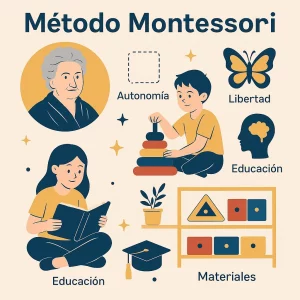
Developed by Maria Montessori in the early 1900s, the Montessori method is a child-centered educational philosophy that promotes autonomy, hands-on learning, and collaborative play. The core principles of this method revolve around the belief that children learn best in environments that foster their natural curiosity and creativity. The Montessori method emphasizes the importance of mixed-age classrooms, individualized learning plans, and the role of the teacher as a facilitator rather than a traditional instructor.
Fundamental Principles of the Montessori Method
The Montessori approach is built on several key principles:
- Child-Centered Learning: Every child’s unique interests and developmental pace are prioritized.
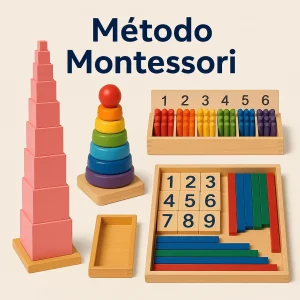
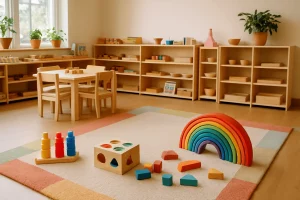
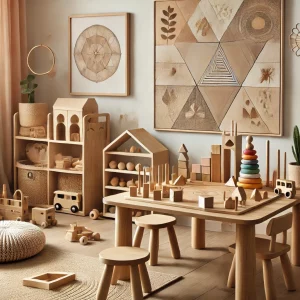
- Prepared Environment: Classrooms are designed to foster independent exploration and learning.
- Freedom Within Limits: Children are given the freedom to choose activities while understanding the boundaries of their environment.
- Respect for the Child: Each child’s autonomy and learning style are respected, fostering a sense of self-worth and confidence.
Real-Life Applications of the Montessori Method
To better understand the practical applications of the Montessori method, let us explore two real-life scenarios: a morning routine at home and a typical day in a Montessori classroom.
Morning Routine at Home
Imagine a family that embraces Montessori principles in their home. In the morning, the child wakes up in a room filled with accessible materials and activities. Instead of adult-directed routines, the child can choose their clothes from an organized wardrobe at their height, promoting autonomy and decision-making. Breakfast preparation might involve the child choosing fruits and utensils themselves, fostering a sense of responsibility and independence. Parents take a supportive role by encouraging their child to engage in the process while providing guidance as needed. This approach not only builds self-confidence but also strengthens the parent-child bond through respect and collaboration.
Mixed-Age Classroom Scenario
In a Montessori classroom, children of mixed ages learn together in a dynamic and collaborative environment. For instance, a 3-year-old may observe a 6-year-old working on a math activity, which piques their curiosity. The younger child naturally becomes drawn to the materials, and instead of the teacher instructing them, the older child might step in to explain the concepts they’ve grasped. This peer-to-peer interaction promotes social skills, collaboration, and community spirit, all integral components of the Montessori experience. Teachers facilitate this process, encouraging children to engage with one another and to pursue their interests, while maintaining a harmonious atmosphere in the classroom.
Why Choose the Montessori Method?
As parents and educators explore various educational philosophies, it becomes essential to understand the benefits that the Montessori method has to offer. For children, this method nurtures a love for learning while promoting independence and self-discipline. According to various studies and anecdotal evidence, Montessori education also fosters creativity, critical thinking, and problem-solving skills.
Frequently Asked Questions about the Montessori Method
What age groups does the Montessori method cater to?
The Montessori method is versatile and caters to children from birth through adolescence. Programs are often segmented into age groups, including infants, toddlers, preschoolers, and elementary-aged children, ensuring that educational materials and experiences are developmentally appropriate.
How do I get started with the Montessori method at home?
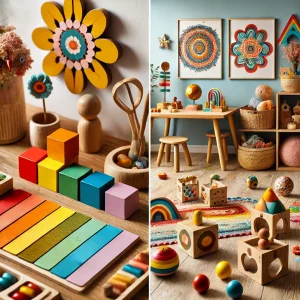
Parents interested in implementing Montessori principles can start by creating a prepared environment that encourages exploration and independence. This might include child-sized furniture, accessible toys, and organized learning materials. Additionally, consider adopting a routine that allows for autonomy while maintaining structure, such as setting aside dedicated times for activities against a predictable backdrop.
Resources for Learning More about the Montessori Method
For those eager to explore educational resources and further reading about the Montessori approach, our comprehensive guide on pedagogy Montessori and other articles are instrumental. Here you can gain deeper insights into everything you need to know about the Montessori method and its historical context.
How has the Montessori method evolved over time?
Since its inception, the Montessori method has evolved, adapting to contemporary educational challenges while retaining its core principles. Today’s educators continue to refine and develop Montessori practices, enriching the learning experience for children worldwide. Our website (Montessori Maria) contains extensive resources and insights, including our AI assistant, MarÍA, designed to help parents and educators navigate the Montessori landscape.
Final Thoughts on the Montessori Method
The Montessori method represents a profound philosophical shift in education, encouraging a nurturing environment where children can flourish. With its child-centered approach and emphasis on autonomy, it offers a refreshing alternative to traditional educational frameworks. By exploring the Montessori method and integrating its principles into your home and classroom, you can foster a lifelong love of learning in the children you care for. To find schools near your location, check out our Montessori locator, and embark on a journey of discovery with the Montessori method today!
For more insights and guidance, explore our recent articles: A Comprehensive Guide to Maria Montessori for Parents and Educators, Understanding Montessori: A Guide for Parents Seeking Educational Harmony, Understanding Montessori Pedagogy: A Guide for Parents and Educators, Understanding the Montessori Method: A Guide for Parents and Educators, and Exploring the World of Maria Montessori: A Guide for Parents and Educators.