The Global Need for Accessible Montessori Resources
In today’s world, phrases like “Montessori near me” and “Montessori school near me” have become increasingly common in online searches. These inquiries reflect a growing demand for accessible Montessori resources as parents and educators seek effective educational approaches that support children’s natural development. At Montessori Maria, we understand this need and offer a comprehensive Montessori locator, along with international examples to help families find quality Montessori education everywhere, including cities like Oberursel, Germany. Interested folks can explore one such example at Montessori in Oberursel.
What is the Montessori Method?
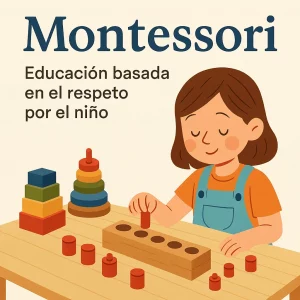
The Montessori method, developed by Dr. María Montessori, focuses on child-led learning in a prepared environment. With over a century of recognition, this educational philosophy emphasizes respect for the child, fostering independence, and promoting a love of learning. At the heart of the method are several fundamental principles, which we’ll explore throughout this article.
Key Principles of the Montessori Method
1. Child-Centered Learning: The Montessori approach prioritizes the child’s interests and developmental stages. This encourages educators to observe and understand each child’s unique learning style.
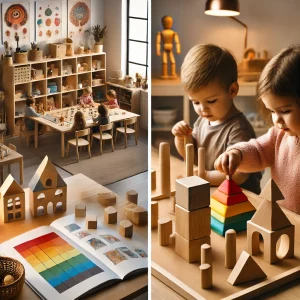
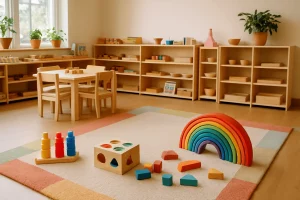
2. Prepared Environment: Montessori classrooms are specially designed to create an atmosphere that supports independent learning, with accessible materials and a thoughtful layout.
3. Mixed-Age Classrooms: Children of different ages learn together, allowing older children to demonstrate knowledge and younger children to learn from their peers.
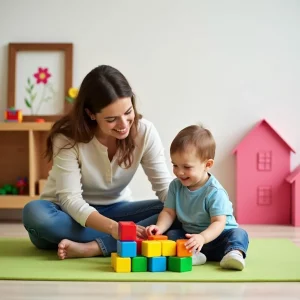
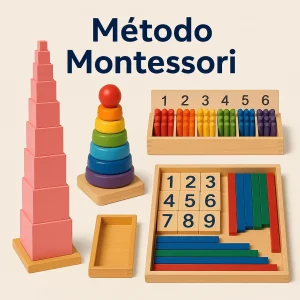
4. Hands-On Learning: Montessori education promotes active learning through hands-on experiences. This sensory involvement helps children grasp complex concepts.
5. Autonomy and Choice: Children are encouraged to make choices in their learning process, promoting self-direction and confidence.
Real-Life Application of the Montessori Method
To illustrate the Montessori method in action, let’s explore two real-life scenarios: a morning routine at home and a mixed-age classroom in a school setting.
A Morning Routine Using Montessori Autonomy
Imagine a bustling household where parents want to instill a sense of independence in their young child. Implementing the Montessori method, parents can create a morning routine that fosters autonomy.
They might set up a designated area with low shelves where the child can choose their clothes for the day. By allowing the child to select what they feel comfortable and confident wearing, parents are respecting their child’s autonomy.
Next, a stool can be placed in the bathroom to help the child reach the sink. The child can freely brush their teeth and wash their hands, reinforcing their ability to care for themselves. This simple routine empowers the child and develops skills of self-reliance.
A Mixed-Age Classroom Scenario
In a Montessori classroom, children aged 3 to 6 learn together. Older children often help teach younger children, reinforcing their knowledge and skills while fostering a sense of community and collaboration.
For instance, an older child might guide a younger peer through a reading activity. This not only reinforces the older child’s understanding of the material but also instills confidence and social skills in the younger child. In this environment, children learn not only from their educators but from each other, embodying the Montessori principle of peer learning.
Through these real-life scenarios, the effectiveness of the Montessori method becomes evident, showcasing how it nurtures independence, fosters respect among peers, and promotes a love of learning.
Why Choose the Montessori Method?
Parents and educators are increasingly recognizing the benefits of the Montessori method. Research supports that children in Montessori settings often develop strong social-emotional skills, critical thinking abilities, and a robust academic foundation.
Moreover, with the global focus shifting towards educational equity and inclusivity, the Montessori method meets the needs of diverse learners, making it a compelling choice for modern education. For a more in-depth look, check out pedagogía Montessori.
Further Exploration and Resources
For parents and educators interested in diving deeper into the Montessori method, extensive resources are available at our Montessori Maria website. Our AI assistant MarÍA is also available to guide you through your Montessori journey and answer any questions you may have.
Conclusion
Understanding the Montessori method opens doors to an enlightened approach to education that prioritizes the unique needs of every child. Whether you’re searching for a “Montessori near me” or looking to integrate its principles at home, you now have a foundational understanding of this innovative educational philosophy. As you explore more, remember to check out all the resources at todo lo que necesitas saber sobre el método Montessori and our recent articles on Montessori education, ensuring you’re well-equipped to offer the best learning environment possible for the young learners in your life.
Explore our latest articles for more insights: Discovering Maria Montessori, Understanding Montessori, The Essential Guide to Montessori Pedagogy, Maria Montessori.