The Growing Interest in Montessori Education
In recent years, more and more parents and educators have been searching for Montessori resources online, with common inquiries such as “Montessori near me” and “Montessori school near me” reflecting a global demand for accessible educational options. This growing interest highlights the commitment to fostering environments where children can thrive through the principles introduced by María Montessori. For those looking to explore Montessori education in their area, our website offers a useful Montessori locator, along with international examples like Montessori schools in cities such as Oberursel, Germany.
Fundamental Principles of the Montessori Method
The Montessori method is built on several fundamental principles that prioritize child autonomy, hands-on learning, and mixed-age classrooms. These principles encourage educators and parents to provide an environment where children can make independent choices, learn at their own pace, and develop a lifelong love for learning. At the core of the Montessori approach is the belief that children are naturally curious and possess an innate desire to learn.
Child-Centered Learning
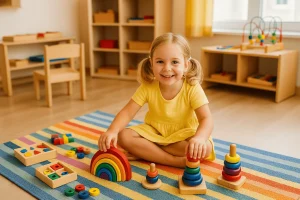
Central to the Montessori method is the idea of child-centered learning. Unlike traditional education, where a teacher dictates the pace and content of learning, Montessori classrooms allow children to explore their interests actively. This hands-on, self-directed approach fosters critical thinking, creativity, and problem-solving skills.
Practical Application of Montessori Principles at Home
To illustrate the application of Montessori principles in everyday life, consider a typical morning routine at home. Instead of a parent directing their child on what to do, a Montessori-inspired morning involves setting up the environment to promote independence. For instance, placing the child’s clothes within reach, using clear storage for items, and providing an accessible breakfast option can empower the child to dress themselves and prepare their breakfast. This approach not only builds their self-confidence but also teaches them responsibility and self-management skills.
Creating a Montessori-Friendly Home
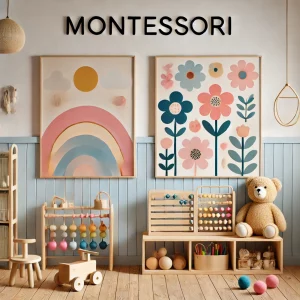
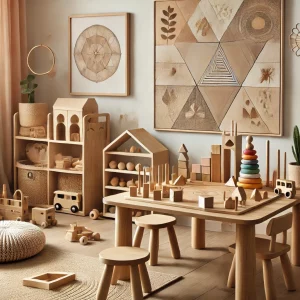
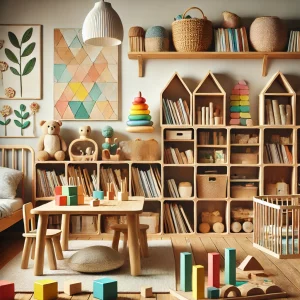
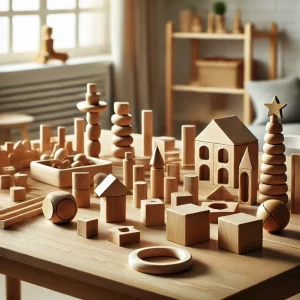
Parents can further foster a Montessori environment at home by organizing materials that promote exploration. Art supplies, learning games, and a small garden space can motivate children to engage in their learning. Moreover, allowing children to contribute to household chores, such as sorting laundry or preparing meals, cultivates a sense of ownership and community within the family.
The Role of Mixed-Age Classrooms in Montessori Education
Another hallmark of the Montessori method is the use of mixed-age classrooms. In these environments, children of varying ages learn together, promoting peer-to-peer learning and cooperation. For example, younger students may observe and learn from older peers, while older students reinforce their understanding by teaching concepts to the younger children. This dynamic creates an inclusive community that enhances social skills and fosters empathy.
Real-Life Classroom Scenario
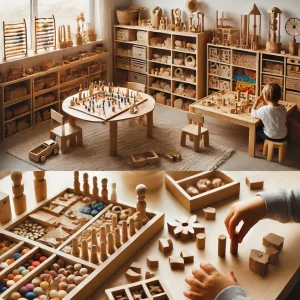
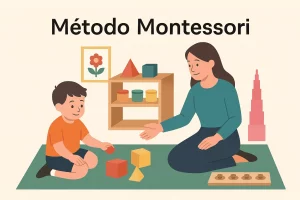
Imagine a Montessori classroom where children aged 3 to 6 are engaged in various activities. One child may be working independently on a puzzle, while another is conducting an experiment with water and different objects to determine what sinks or floats. The teacher acts as a guide, offering support when needed but allowing the children to explore and discover freely. This approach not only engages children actively but also respects their individual learning styles and paces.
Benefits of the Montessori Method
The benefits of the Montessori method extend beyond academics. Children develop essential life skills such as critical thinking, collaboration, and self-regulation. Moreover, the method emphasizes respect for each child’s unique learning journey, nurturing not only their intellect but also their emotional and social growth.
Montessori and Lifelong Learning
Montessori education fosters a love of lifelong learning, empowering children to become independent thinkers and problem-solvers. By allowing children the freedom to explore and direct their own learning, the Montessori approach lays the foundation for a future of curiosity and passion for knowledge.
Resources for Parents and Educators
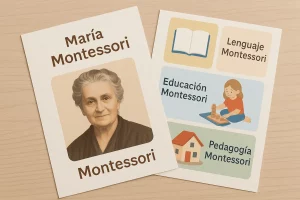
For parents and educators who wish to delve deeper into the Montessori method, there are numerous resources available. Our comprehensive guide to Montessori provides valuable insights into the educational approach that can empower children. Additionally, our website features articles focused on pedagogía Montessori and a detailed explanation of María Montessori‘s influential legacy in education.
The Future of Montessori Education
As demand for Montessori education continues to grow, it is essential for parents and educators to work together to advocate for these innovative learning environments. By sharing resources and experiences, we can help make Montessori education more accessible to families everywhere. Whether you are searching for “Montessori near me” or looking for online resources, Montessori Maria’s locator is an excellent tool to help you find local options.
Conclusion
In conclusion, understanding the Montessori method is crucial for parents and educators committed to fostering independent, confident learners. By exploring its principles and implementing them at home and in classrooms, we can create enriching environments that promote self-directed exploration and a genuine love of learning. Be sure to visit our Montessori Maria website and its AI assistant MarÍA for guidance and support in your Montessori journey. Together, we can empower the next generation of learners!