The Global Demand for Montessori Resources
In today’s fast-paced world, many parents and educators are seeking effective educational methods that can foster independence, creativity, and a love for learning in children. Common searches like “Montessori near me” and “Montessori school near me” reveal a growing global interest in the Montessori method. This interest highlights the necessity for accessible Montessori resources and education options. Our Montessori locator is designed to help you find schools and resources tailored to this educational philosophy, with various global examples, such as the offerings in cities like Oberursel, Germany.
What is the Montessori Method?
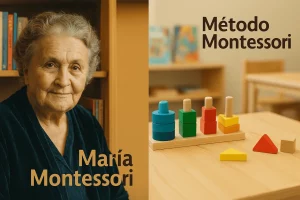
Developed by Dr. María Montessori in the early 20th century, the Montessori method is an educational approach that respects children’s natural development and promotes independence through self-directed activity. Unlike traditional educational systems, which often emphasize standardized testing and one-size-fits-all learning, Montessori fosters a child-centric environment where students can explore, discover, and learn at their own pace.
Fundamental Principles of the Montessori Method
The Montessori method is founded on several key principles:
- Respect for the Child: Every child is treated with respect and seen as an active participant in their own learning.
- Auto-education: Children learn through exploration and discovery rather than direct instruction.
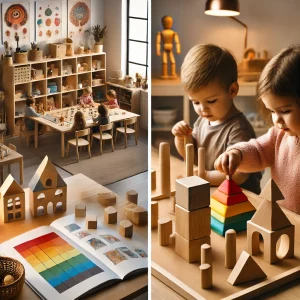
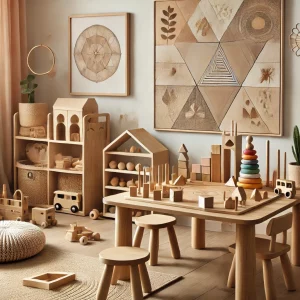
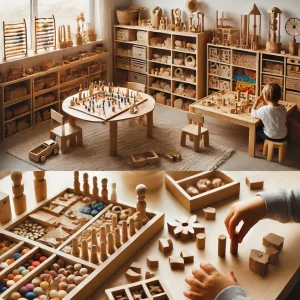
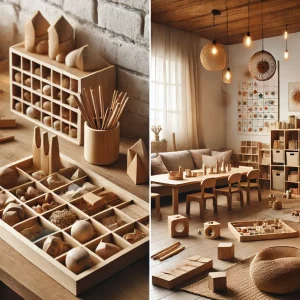
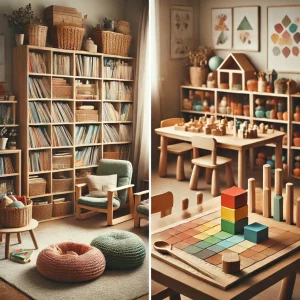
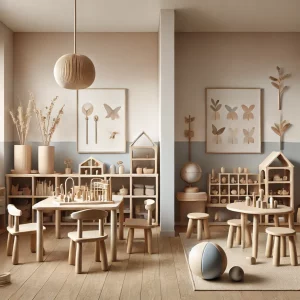
- Prepared Environment: Classrooms are designed to facilitate independent learning with appropriate materials accessible to children.
- Mixed-age Classrooms: Such classrooms allow for peer learning and collaboration, nurturing community and social skills.
Real-Life Applications of the Montessori Method
To better understand the Montessori method, let’s explore two real-life scenarios: a morning routine at home and a mixed-age classroom situation at school.
Morning Routine at Home
Imagine a family following a Montessori-inspired morning routine. Upon waking, the child is encouraged to get out of bed independently. They may choose their clothes for the day from a low wardrobe shelf, promoting autonomy—a key tenet of the Montessori philosophy. The child participates in meal preparation, perhaps pouring their own cereal or setting the table, thus practicing practical life skills that build confidence. The family schedules time for a short morning reading session, allowing the child to select their preferred books. This autonomy empowers the child, fostering a sense of responsibility and independence that lasts beyond breakfast.
Mixed-Age Classroom Scenario
In a Montessori school, you might find a mixed-age classroom where children aged 3 to 6 learn together. In such environments, younger children can learn from older peers while older children teach and reinforce their understanding by helping their classmates. For instance, a 5-year-old might assist a 3-year-old in using a color-matching activity. This not only strengthens their knowledge but also builds empathy and leadership skills. In a Montessori classroom, lessons are not rigidly structured. Instead, the teacher serves as a facilitator, guiding children based on their interests and developmental needs.
Exploring Montessori Resources
As interest in the Montessori method grows, parents and educators are seeking reliable resources to better understand and implement this educational approach. Whether you are looking for books, online courses, or local schools, there is a wealth of information available. You can find insightful articles on the principles of Montessori education on our website, including this comprehensive guide that covers everything you need to know about the Montessori method.
Insights from Experts
Incorporating expert insights into your understanding can enrich your approach to the Montessori method. Engaging with educational professionals who specialize in Montessori pedagogy can provide clarity and guidance. Workshops and seminars hosted by Montessori organizations can be valuable opportunities for parents and educators alike to deepen their understanding and practical application of the method.
Evaluating a Montessori Environment
When assessing a potential Montessori school for your child, consider observing the classroom environment. Does it promote independence? Are materials accessible to children? Are educators trained in Montessori pedagogy? Having specific criteria will help you ensure that the school aligns with the core principles of Montessori education. Many schools provide opportunities for observation days, allowing parents to see the method in action.
Benefits of Montessori Education
Montessori education offers numerous benefits, including enhanced executive function skills, improved academic outcomes, and greater social-emotional development. Studies have shown that children in Montessori settings often excel not just academically but also in creativity and social abilities compared to their peers in traditional settings. Those who have explored the Montessori method often find that it supports holistic development, equipping children with valuable life skills.
Challenges in Implementing Montessori
While the benefits are compelling, it’s also important to acknowledge potential challenges in implementing Montessori principles at home or in educational settings. Parents may find it difficult to relinquish control over certain aspects of their child’s education. Transitioning from a traditional approach to a Montessori one may require patience, trial, and error. Understanding the philosophy deeply—not just its techniques—is crucial. Explore our resources and articles such as Montessori pedagogy for deeper insights into overcoming these challenges.
Engaging with the Montessori Community
Connecting with other parents and educators who embrace the Montessori philosophy can provide support and foster a greater understanding of how to implement its principles effectively. Local groups and online forums often find community members discussing their experiences, sharing educational resources, and providing encouragement to others on their Montessori journey.
The Role of Technology in Montessori Education
In today’s technology-driven world, Montessori educators often explore ways to integrate technology into the classroom in a meaningful way. While traditional Montessori classrooms emphasize hands-on learning with physical materials, selective technology use can complement children’s learning experiences. Educational apps that promote problem-solving, creativity, and interactive learning can be thoughtfully incorporated into lessons without compromising Montessori principles.
Your Next Steps
If you are interested in exploring Montessori education further, we encourage you to utilize our Montessori locator to find schools and resources that resonate with your family’s values. Additionally, be sure to visit our blog, featuring the latest insights and articles to help you navigate your Montessori journey.
Conclusion
In conclusion, the Montessori method is a profound and transformative educational philosophy that prioritizes the child’s needs, autonomy, and love for learning. By understanding its principles and implementing them at home or in educational settings, parents and educators can cultivate an enriching environment that fosters lifelong learning. For more information, resources, and assistance, visit our Montessori Maria website and explore the capabilities of our AI assistant MarÍA.