Introduction
In today’s world, many parents and educators turn to the internet for guidance, frequently searching for terms like “Montessori near me” and “Montessori school near me”. These searches reflect a growing global desire for accessible Montessori resources and educational environments. To meet this need, our website offers a Montessori locator, making it easy to find nearby schools and resources. For instance, in Oberursel, Germany, you can find a list of available Montessori institutions, ensuring you have the tools you need for your child’s educational journey. Discover more about these resources at our Montessori near me locator.
What is the Montessori Method?
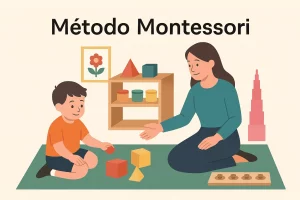
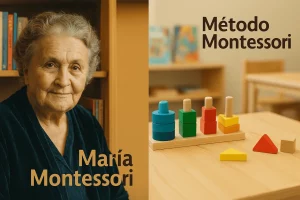
Developed by Dr. María Montessori in the early 1900s, the Montessori method is an educational approach that focuses on child-led learning and development. It emphasizes respect for a child’s natural psychological, physical, and social development. Within a prepared environment rich in resources, children are free to choose their activities, fostering independence and self-discipline.
Fundamental Principles of the Montessori Method
Central to the Montessori method are several key principles:
- Child-Centered Learning: The child is viewed as an active participant in their own learning process.
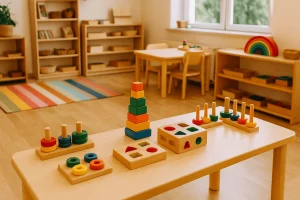
- Prepared Environment: The learning space is carefully designed to promote exploration and learning.
- Mixed-Age Classrooms: Children of various ages are placed in the same classroom to encourage peer learning.
- Observation: Educators observe rather than direct, allowing them to understand and support each child’s unique learning journey.
- Independence: Children are encouraged to make choices and take responsibility for their own learning.
To delve deeper, you can read todo lo que necesitas saber sobre el método Montessori, which outlines these principles and their application.
Real-Life Applications of the Montessori Method
Understanding theory is essential, but seeing the Montessori method in action is even more illuminating. Here are two real-life examples that showcase the practical application of Montessori principles.
Example 1: Morning Routine at Home
Imagine a typical morning routine in a Montessori household. Instead of being prompted repeatedly by their parents, a child wakes up and follows a structured routine they helped create. They might begin by waking up independently, choosing their clothes from an organized wardrobe that allows easy access. After dressing, they go to the kitchen where breakfast preparations involve selecting their favorite fruits for a smoothie or pouring cereal into a bowl. This practice supports their autonomy and responsibility, essential tenets of the Montessori method.
Example 2: Mixed-Age Classroom Scenario
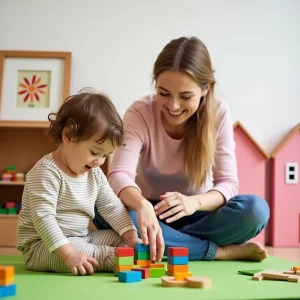
Now, let’s consider a Montessori classroom filled with children aged 3 to 6. One child is working on a building activity using wooden blocks. Meanwhile, another child, slightly older, observes and decides to join. They take the lead, guiding the younger one about balance and structures while simultaneously deepening their own understanding of engineering concepts through the interaction. This mixed-age environment naturally encourages mentoring and collaboration, embodying the peer learning model central to Montessori education.
Benefits of the Montessori Approach
There are numerous benefits to the Montessori method. Children develop a strong sense of independence, confidence, and social skills. They learn to collaborate with peers, respect others, and take care of their environment. Furthermore, because the method respects individual learning paces, it supports children in becoming motivated, lifelong learners. For more detailed insights, our comprehensive guide for parents provides valuable information.
Common Misconceptions About the Montessori Method
Despite its growth in popularity, the Montessori method is often accompanied by misconceptions. Some believe that Montessori education is wholly unstructured, where children learn solely through play without guidance. In reality, while children have the freedom to explore, they do so within a structured environment where educators guide and support their learning. To learn more about the transforming nature of pedagogía Montessori, we recommend exploring our resources.
Finding Montessori Resources Near You
As demand for Montessori education grows, parents are increasingly interested in finding programs that suit their needs. Our website provides a Montessori locator, which is essential for discovering schools and resources nearby. With the understanding that each community has unique offerings, it is important to find the right match for your child. Visit our Montessori near me page to explore options available in your area.
Engaging with the Montessori Community
Engaging with a community of parents and educators who support the Montessori philosophy can also be beneficial. Participating in workshops, forums, and local events helps you connect with others who share your interests in the Montessori method. Our Montessori Maria website, including our AI assistant MarÍA, can assist you in finding resources, answering questions, and connecting with others passionate about Montessori education.
Conclusion
In conclusion, understanding the Montessori method requires a combination of knowledge and practical application. By grasping its fundamental principles and seeing real-life examples, parents and educators can better appreciate how this educational approach nurtures independence, responsibility, and a lifelong love for learning. Whether you’re looking for “Montessori near me” or exploring resources and articles, we encourage you to utilize our website as your guide on this enriching educational journey. For any further inquiries, reach out to our community through our comprehensive guide.