Introduction: The Growing Interest in Montessori Education
In recent years, there has been a surge in interest surrounding the Montessori method, as evidenced by the increasing frequency of searches like “Montessori near me” and “Montessori school near me.” These queries highlight the global demand for accessible Montessori resources that parents and educators alike are seeking to enrich the learning environment for children. To facilitate this search, we offer a convenient Montessori locator, which includes international examples, such as a specific guide for parents in Oberursel, Germany.
The Fundamental Principles of the Montessori Method
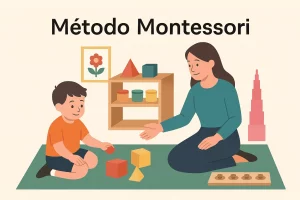
The Montessori method, developed by Maria Montessori, is an educational approach rooted in respect for the child. It emphasizes independence, active learning, and the nurturing of a child’s natural curiosity. Instead of traditional rote learning and a teacher-centered classroom, Montessori classrooms encourage self-directed, hands-on engagement.
Key Principles
Among the key principles of the Montessori method are:
- Child-Centered Learning: The child is regarded as an active participant in their education.
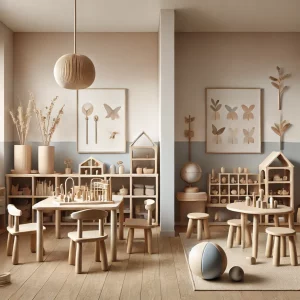
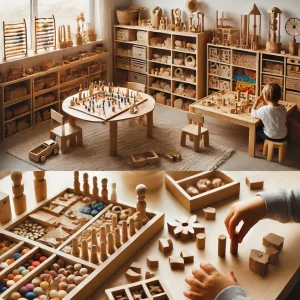
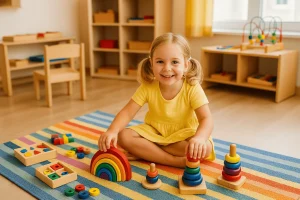
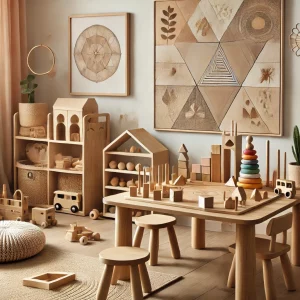
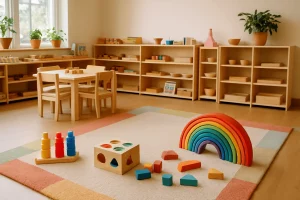
- Prepared Environment: Classrooms are designed to promote independence, exploration, and learning through aesthetically pleasing and purposeful materials.
- Mixed-Age Classrooms: Children of varying ages learn from one another, fostering collaboration and social development.
- Freedom Within Limits: Children are given the freedom to choose their activities, but within guidelines set by educators.
Real-Life Applications of the Montessori Method
To truly appreciate the Montessori method’s effectiveness, it is helpful to examine real-life applications within both home and school settings. Here are two scenarios that demonstrate the principles in action.
Morning Routine at Home Using Montessori Autonomy
Imagine starting a typical morning in a Montessori household. Instead of the usual rush and chaos, the environment is optimized for autonomy. The child’s clothing is accessible in a dedicated space; they can choose what to wear, promoting decision-making skills. Breakfast items are within reach on low shelves, allowing the child to prepare their breakfast with minimal adult intervention. Parents may guide the child initially but step back to allow the child to explore their capabilities.
In this nurturing environment, children develop a sense of responsibility and pride in their accomplishments. Parents can support this autonomy by offering choices and guidance, further amplifying the principles of the pedagogía Montessori.
Mixed-Age Classroom Scenario
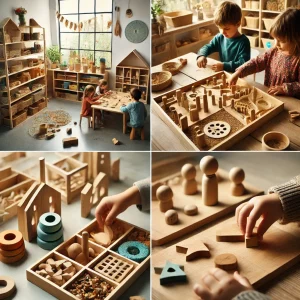
In a Montessori school, classrooms often consist of mixed-aged groups, usually spanning three years. Picture a classroom where a five-year-old is working on a math activity with manipulatives while a seven-year-old assists a younger peer with reading.
This setting fosters both social skills and academic learning. Older students develop leadership and teaching skills, while younger students benefit from peer guidance. Teachers act as facilitators, observing interactions and intervening when necessary, ensuring an enriching experience for all.
Why Choose Montessori Education?
Many parents and educators are drawn to the Montessori method for several reasons:
- Holistic Development: Montessori education nurtures cognitive, social, emotional, and physical growth.
- Individual Learning Pace: Children progress at their own pace, promoting a love for lifelong learning.
- Preparation for Real Life: Practical life skills are integrated into learning, preparing children for the world outside the classroom.
Exploring Resources for Montessori Education
Parents and educators looking to delve deeper into the Montessori method can explore a wealth of resources available online. For those starting their journey, our website offers comprehensive articles addressing various aspects of the method, including discovering the Montessori method and understanding Montessori.
Further Learning Opportunities
For educators interested in expanding their knowledge, our comprehensive guide on pedagogy offers additional insights. The Montessori method is not just a framework for teaching—it is a way of life that benefits all stakeholders involved in the educational process.
Engaging with Our Community
We invite parents and educators to engage with various community resources. Our Montessori Maria website and its AI assistant MarÍA also serves as a valuable resource, providing personalized support and information tailored to individual needs. Whether you’re searching for a Montessori school or simply seeking guidance, our AI assistant is here to help.
Conclusion: The Future of Montessori Education
Understanding the método Montessori can transform your approach to education, creating more engaged, independent, and capable children. By prioritizing access to quality Montessori resources and fostering autonomy at home and in the classroom, we can prepare our children for a successful future.
In conclusion, the journey towards embracing the Montessori method is one filled with exploration and adventure. We encourage you to utilize the wealth of information available, including our latest articles such as The Transformative Journey of Montessori Education and others to enhance your understanding.
To find a Montessori resource near you, don’t forget to check out our Montessori locator. Empower yourself and your child by embracing the opportunities that Montessori education has to offer.