Introduction
In today’s world, many parents and educators are searching for effective and accessible educational methods that foster independence and a love of learning in children. Common queries like “Montessori near me” and “Montessori school near me” highlight a growing global demand for resources related to the Montessori method. Recognizing this need, our website offers a Montessori locator to help families find nearby Montessori schools and resources. For instance, families in places like Oberursel, Germany can readily connect with Montessori options that suit their needs.
What is the Montessori Method?
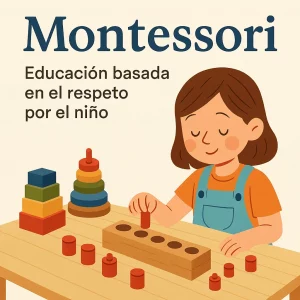
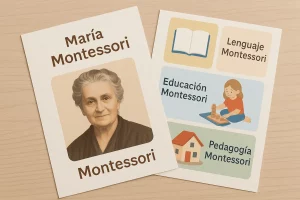
The Montessori method, developed by María Montessori in the early 1900s, emphasizes child-centered learning, where children are encouraged to explore and learn at their own pace. Key principles of Montessori education include respect for the child, the idea of learning as a natural process, and the importance of fostering a child’s independence and sense of responsibility. In this method, the environment is prepared to support self-directed learning through purposeful activities and materials.
Core Principles of the Montessori Method
1. Child-Centered Learning: The method recognizes that each child is unique, with their interests and learning styles. The role of the educator is to guide and support rather than direct.
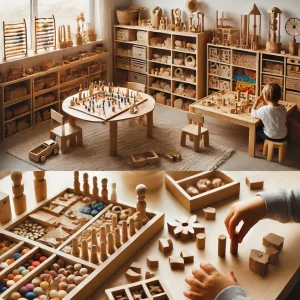
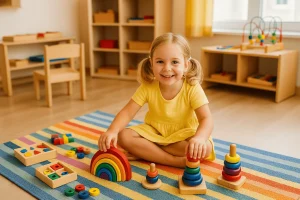
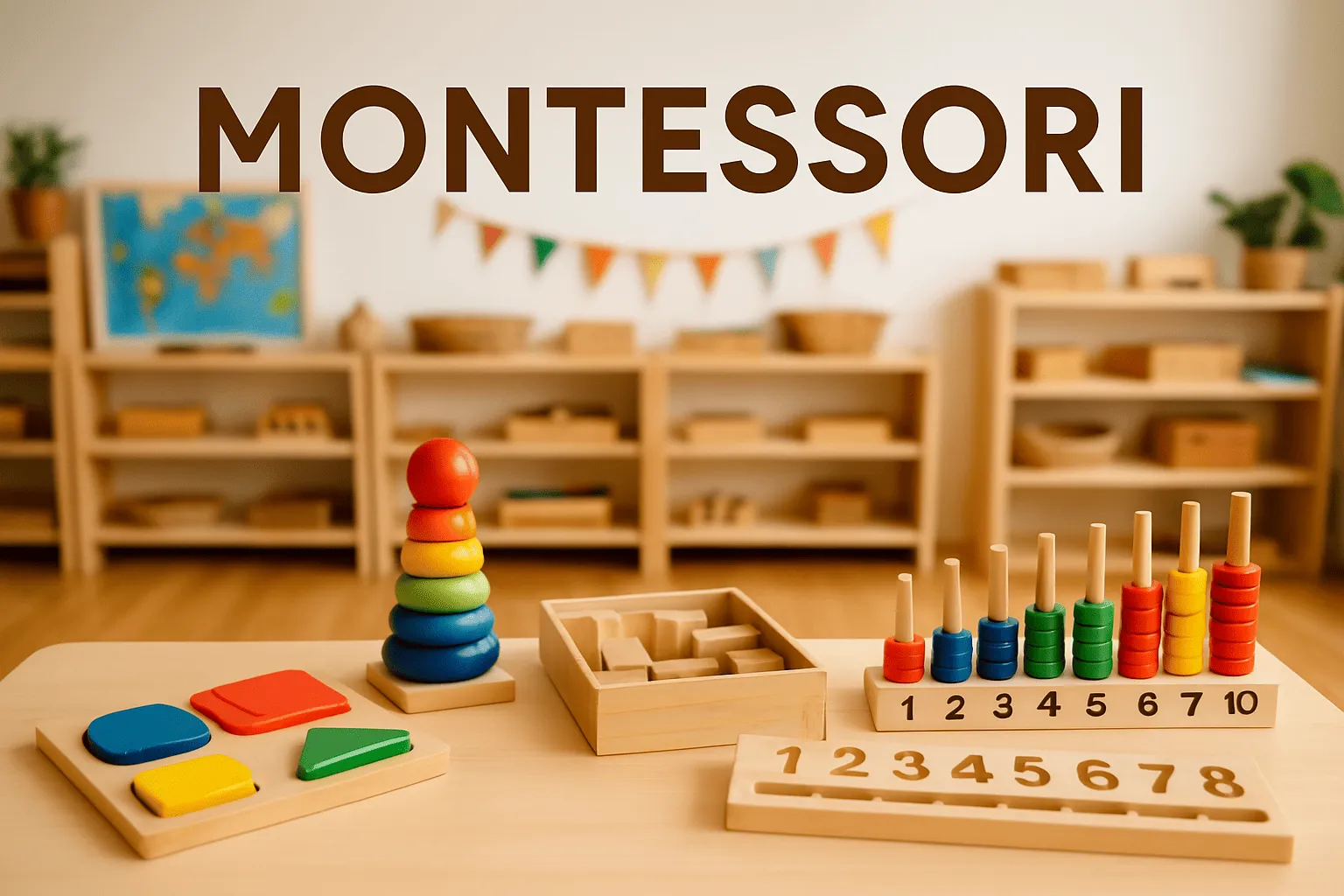
2. Prepared Environment: The learning environment is designed to encourage independence. Materials are accessible and inviting, allowing children to choose their activities freely.
3. Mixed-Age Classrooms: Children learn from each other in a community setting. Older students model behaviors and help younger ones, creating an atmosphere of collaboration.
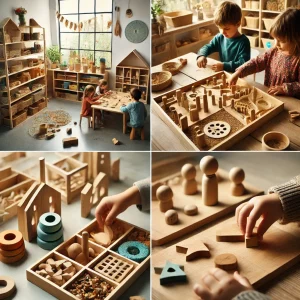
4. Hands-On Learning: Montessori education promotes learning by doing, allowing children to engage with materials through their senses.
Real-Life Applications of the Montessori Method
Morning Routine at Home
Imagine starting a typical morning in a home that follows the Montessori philosophy. Instead of a rushed environment where parents dictate every step, children are given the autonomy to make choices. A toddler wakes up and chooses their clothes from an organized wardrobe, selecting what they feel comfortable in. Breakfast is laid out in a low kitchen area accessible to them, where they help themselves to cereal and milk. The child pours their own drink into a small cup, developing practical life skills. Such autonomy not only builds confidence but also instills a sense of responsibility in the child from a young age.
Mixed-Age Classroom Scenario
In a Montessori school, a classroom might include children aged 3 to 6 years. The teacher prepares the environment with various materials laid out on accessible shelves. A group of older children works on a math activity using beads, while a younger child is independently engaged with a practical life activity, pouring water from one container to another. The older children notice the younger child’s struggle and volunteer to help demonstrate the technique. This peer-to-peer learning experience illustrates the benefits of mixed-age classrooms, where children collaborate, teach, and learn together, enriching the educational experience for everyone.
The Role of Educators in Montessori Education
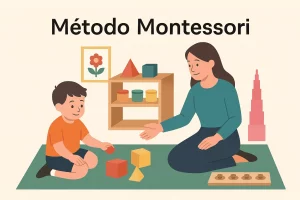
In the Montessori method, educators act as guides rather than traditional teachers. They observe each child, understanding their interests and developmental stages, and introduce appropriate materials when the child is ready for new challenges. The educator’s role is crucial in creating a nurturing environment where children feel safe and motivated to explore.
Why Choose Montessori?
Choosing the Montessori method for your child can offer numerous benefits, such as fostering a lifelong love of learning and developing essential life skills. Research has shown that children who attend Montessori schools often demonstrate greater academic success, social skills, and emotional development compared to their traditionally educated peers. If you’re interested in learning more, you can read more about pedagogía Montessori and its transformative impact on education.
Finding Montessori Resources
Whether you’re looking for a Montessori school or resources to implement the methodology at home, our Montessori locator is here to assist you in finding what you need. The global Montessori community is continuously growing, and our site aims to provide comprehensive support for parents and educators alike.
Conclusion
Understanding the Montessori method opens up new possibilities for educating children. With its emphasis on respect for the child and independence, it provides an alternative to traditional methods. To explore more about this unique approach and its origins, check out María Montessori’s legacy in education. The journey towards an enriching educational path for your child starts now. If you need assistance, don’t hesitate to reach out to our Montessori Maria website and its AI assistant MarÍA for guidance.
Additional Resources
For further reading, here are some helpful articles: Understanding María Montessori, Understanding Montessori for Your Family, Understanding Montessori Pedagogy, The Montessori Journey, and Understanding the Montessori Method.