Introduction
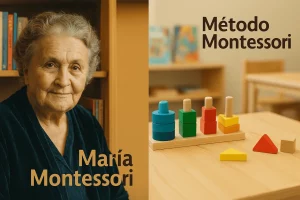
In recent years, there has been an undeniable surge in interest surrounding the Montessori method. The increasing number of searches for phrases like “Montessori near me” and “Montessori school near me” highlights a global quest for accessible Montessori resources. This method of education, based on the philosophy of María Montessori, is recognized for its unique approach to child-centered learning. At our website, we offer a helpful Montessori locator to assist parents and educators in finding suitable Montessori options nearby. For example, if you’re located in Oberursel, Germany, you can find resources by visiting our Montessori locator.
What is the Montessori Method?
The Montessori method is a transformative educational approach that emphasizes autonomy, respect, and a love for learning. Developed by Maria Montessori in the early 1900s, the method encourages children to learn at their own pace in a carefully prepared environment aligned with their developmental needs.
Key Principles of Montessori Education
Several foundational principles underpin the Montessori method. These include:
- Child-Centered Learning: The approach prioritizes the needs and interests of the child, fostering independence and critical thinking.
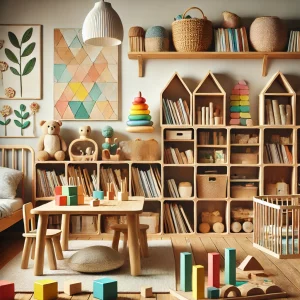
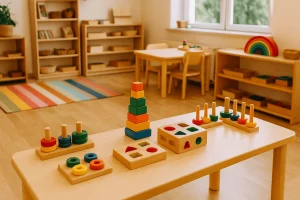
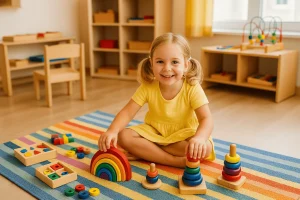
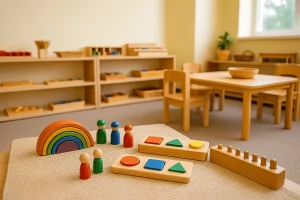
- Prepared Environment: Classrooms are designed to encourage exploration, featuring accessible materials that promote hands-on learning.
- Mixed-Age Classrooms: Children of different ages learn together, allowing for peer learning and mentorship.
- Observation: Teachers are trained to observe rather than direct, enabling them to provide support tailored to each child’s needs.
- Respect for the Child: Montessori education nurtures mutual respect, cultivating a sense of dignity and responsibility in children.
Real-Life Applications of the Montessori Method
To better understand the Montessori method, let’s explore two real-life situations: a morning routine at home and a classroom scenario in a Montessori school.
Morning Routine at Home
Imagine a typical morning in a Montessori home. The child wakes up and is greeted by a serene environment where everything is within reach—clothes, breakfast supplies, and learning materials. Instead of waiting for a parent to assist, the child is encouraged to start their own routine. They choose their clothes, navigate their breakfast options, and even set the table. This autonomy not only instills confidence but also teaches practical life skills that children will value in the long run.
Mixed-Age Classroom Scenario
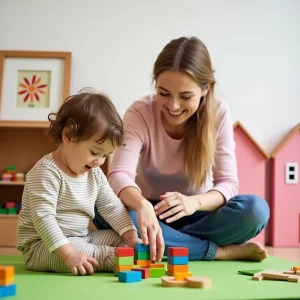
In a Montessori school, children aged 3 to 6 may share the same classroom. This mixed-age environment allows older children to take on leadership roles, such as helping younger peers understand a challenging concept. For example, a 5-year-old might guide a 3-year-old in completing a puzzle. This dynamic fosters community and collaboration, and it enhances social skills while ensuring that children learn through exploration and interaction—the core of the Montessori philosophy.
Montessori Educators and Their Role
Teachers, often referred to as “guides” in the Montessori world, play a pivotal role in facilitating learning without being overly directive. Their responsibility is to create an environment rich in resources, observe children’s interests and progress, and step in only when necessary to guide learners. This allows children to take ownership of their education, cultivating lifelong learners.
Finding Montessori Resources Near You
As the interest in the Montessori method grows, so does the need for accessible Montessori resources. Whether you’re looking for schools or community programs, our Montessori locator is here to help. This allows you to search for Montessori institutions in your area, making it easier than ever to connect with this enriching educational approach.
Further Exploration of Montessori Education
For those interested in diving deeper into this incredible method, we recommend reading “todo lo que necesitas saber sobre el método Montessori,” which provides a comprehensive overview of the methodology and its applications. This will give you the foundational knowledge necessary to make informed decisions about your child’s education.
Concluding Thoughts
The Montessori method, with its focus on autonomy, respect, and individualized learning, continues to resonate with parents and educators around the world. As more families are searching for Montessori options, the importance of understanding its principles cannot be overstated. By embracing the philosophies of pedagogía Montessori in home and school settings, we can foster a generation of empowered learners.
Final Resources
If you wish to explore further or have specific questions, feel free to check out our Montessori Maria website and its AI assistant MarÍA, where you’ll find personalized resources to support your journey in understanding and implementing the Montessori method.
Additional Articles
For more insights, consider reading:
- Understanding Maria Montessori: A Comprehensive Guide for Parents and Educators
- Understanding Montessori: A Parent’s Guide to a Transformative Educational Approach
- Understanding Montessori Pedagogy: A Comprehensive Guide
- Embracing Montessori Education: A Guide for Parents and Educators
- Understanding the Montessori Method: A Comprehensive Guide