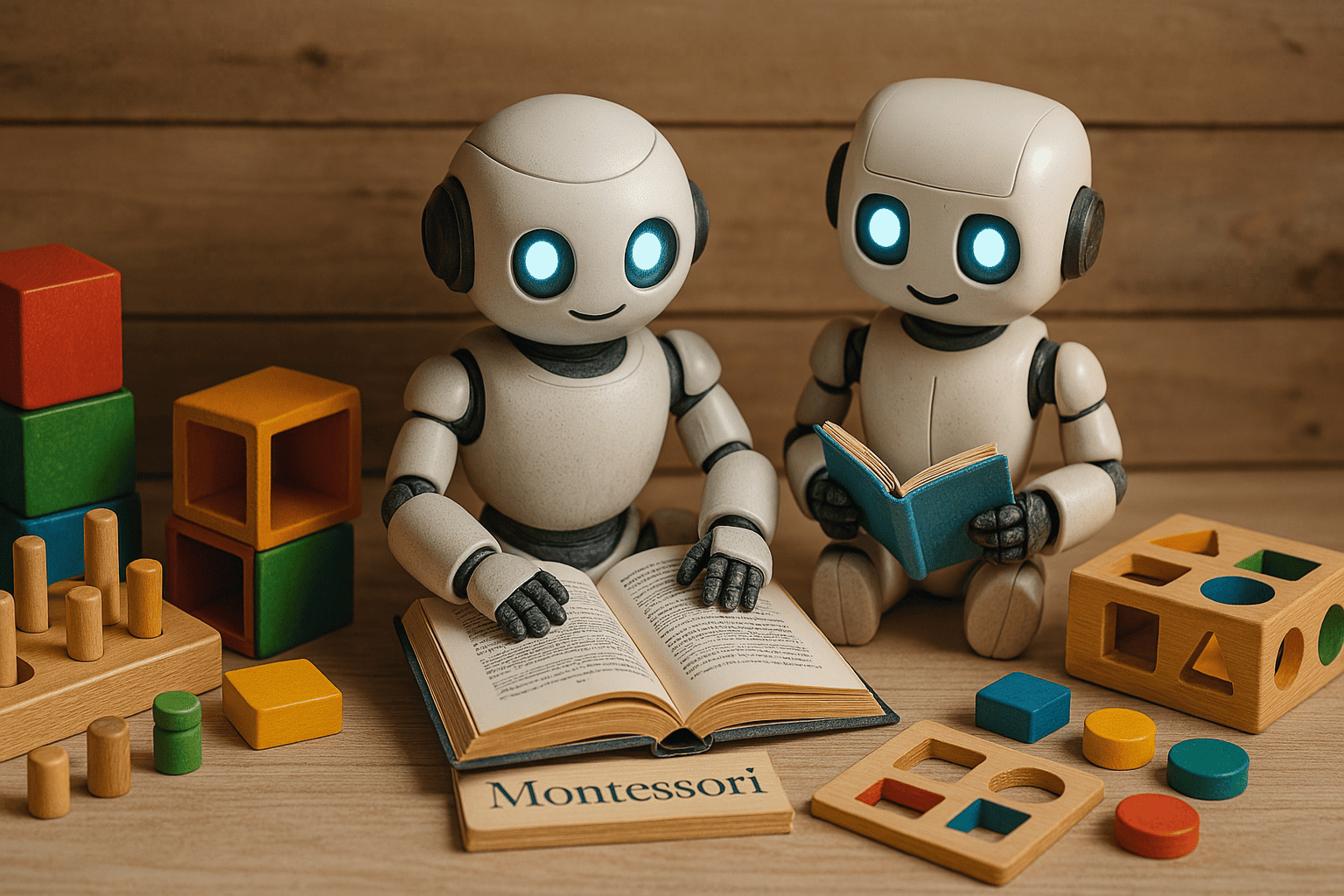
The Growing Need for Montessori Resources
In recent years, more and more parents and educators have turned to the Montessori method to foster a child-centered learning environment. An increasing number of searches like “Montessori near me” and “Montessori school near me” highlight a global interest in accessible Montessori resources. If you are among those looking for guidance or institutions that adhere to these educational principles, you are not alone. Our Montessori locator provides a valuable starting point for finding schools and programs near you, with international examples and local resources.
What is the Montessori Method?
The Montessori method, founded by María Montessori, is an educational approach based on scientific observations of children. This method emphasizes hands-on, self-directed learning and the development of critical thinking skills. Montessori believes that education should be tailored to meet the individual needs and interests of each child, promoting independence and self-esteem through active participation.
Fundamental Principles of the Montessori Method
The core principles of the Montessori method include:
- Child-Centered Learning: Education revolves around the child’s interests and developmental pace.
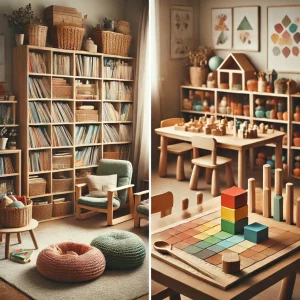
- Prepared Environment: Classrooms are designed to promote independence and exploration.
- Mixed-Age Classrooms: Older children serve as mentors to younger ones, fostering social and emotional development.
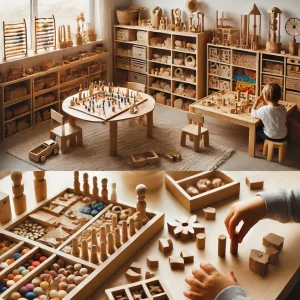
- Hands-On Learning: Children learn through tactile experiences that engage multiple senses.
- Respect for the Child: Each child is viewed as capable and competent, fostering a sense of responsibility and self-worth.
Real-Life Applications of the Montessori Method
To better understand the Montessori method, let’s explore two real-life scenarios that demonstrate its principles in action.
Montessori Autonomy in a Morning Routine
Imagine a typical morning in a Montessori household. Instead of a parent waking the child, the family has a system in place that allows the child to wake up independently. They might have a special alarm clock that lights up at a designated time, indicating it’s time to rise. Once the child is up, they’re encouraged to follow a visual schedule that illustrates their morning tasks, such as brushing teeth, getting dressed, and preparing breakfast. This not only builds their sense of autonomy but also helps develop their organizational skills.
A Mixed-Age Classroom Scenario
In a Montessori school, you might find a mixed-age classroom with children ranging from 3 to 6 years old. During a work cycle, a 5-year-old could be helping a 3-year-old with a puzzle, reinforcing their own skills while supporting their younger peer. This dynamic encourages cooperative learning and helps both age groups develop essential social skills. Observing such interactions highlights the effectiveness of the Montessori method in fostering community and mentorship among children.
The Role of Educators in the Montessori Method
Montessori educators play a pivotal role as guides or facilitators rather than traditional teachers. They observe children to assess interests and developmental stages, tailoring lessons and activities to foster independent learning. Educators create an inviting environment that encourages exploration while ensuring materials are accessible and thoughtfully arranged. This approach allows children to engage with their environment at their own pace, deepening their understanding of various subjects.
Resources for Parents and Educators
For those interested in diving deeper into the principles and practices of the Montessori method, I recommend checking out our comprehensive resources, covering everything from basic concepts to advanced teaching strategies. You can explore posts like Understanding María Montessori: A Guide for Parents and Educators or Understanding Montessori: A Practical Guide for Parents. Additionally, the article on pedagogía Montessori provides insight into this transformative educational approach.
Diving Deeper: The Impact of Montessori on Child Development
Research has shown that children who undergo Montessori education tend to excel in areas of social and academic performance. One study revealed that Montessori students demonstrated higher levels of creativity compared to their peers in traditional settings. This innovative approach prepares children not only for academic success but also equips them with life skills essential for adulthood.
Summary and Next Steps
Understanding the Montessori method can empower parents and educators to create supportive environments that foster a love for learning. By embracing the key principles of this educational approach, families can nurture independence and creativity in their children. For those interested in learning more, visit Understanding Montessori Education: A Guide for Parents and Educators or browse additional topics related to the Montessori method.
If you’re in search of local resources or schools, remember to use our Montessori locator for an easy way to find the right option for your family. You might even explore regional specific links, such as Montessori schools in Oberursel, Germany.
For further assistance or personalized guidance, visit our Montessori Maria website and its AI assistant MarÍA. This tool can provide additional resources and answers to your questions regarding the Montessori method and how to implement its principles in everyday life.
The journey into Montessori education can be one of profound impact, shaping not only academic paths but also values and skills for life. Embrace this opportunity to discover the beauty of child-centered learning.