Introduction
In recent years, parents and educators have increasingly turned to search engines for educational resources. Common searches such as “Montessori near me” and “Montessori school near me” reflect a growing global demand for accessible Montessori resources. Understanding the Montessori method can empower parents and educators to provide enriching learning experiences for children. At our Montessori Maria website and its AI assistant MarÍA, we offer a Montessori locator and international examples, ensuring you can find the right Montessori resources in your area.
The Fundamentals of the Montessori Method
The Montessori method, developed by María Montessori, is rooted in a child-centered approach that focuses on fostering independent learning, critical thinking, and a love for discovery. Unlike traditional educational models that emphasize rote learning and standardization, the Montessori framework encourages individualized learning experiences in a prepared environment. This method respects the unique developmental needs of each child and emphasizes autonomy, hands-on activities, and mixed-age classrooms.
Core Principles of the Montessori Method
The key principles of the Montessori method can be summarized as follows:
- Child-Centered Learning: The educational experience is guided by the interests and needs of the child.
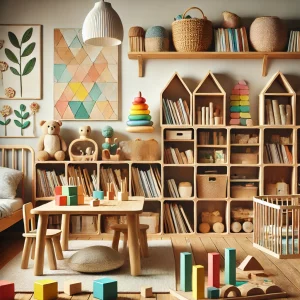
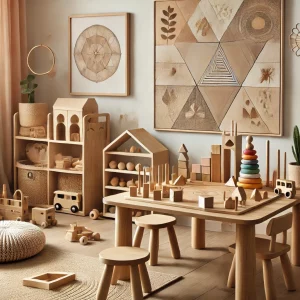
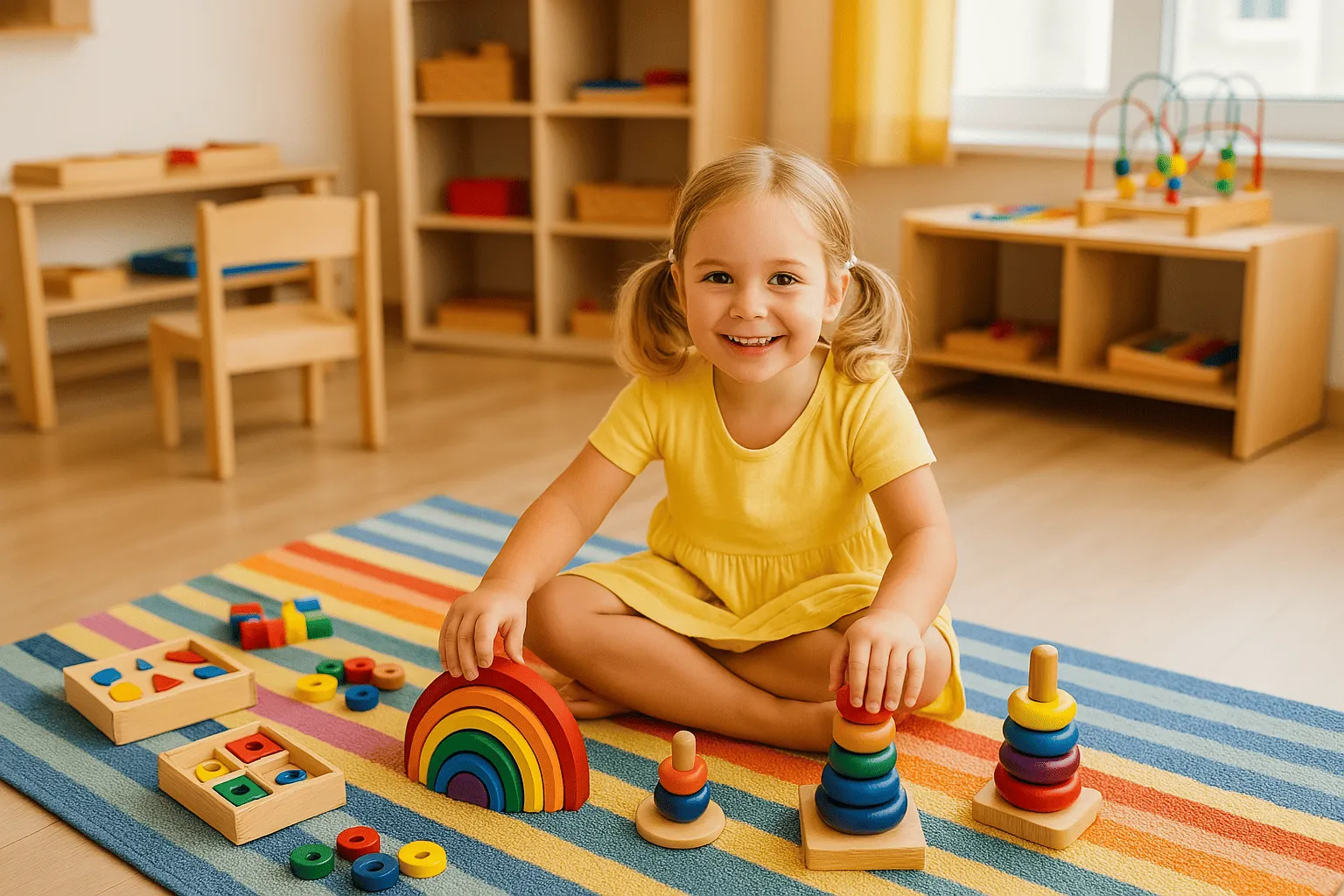
- Prepared Environment: Classrooms are designed to encourage exploration and independence, filled with materials that cater to developmental stages.
- Mixed-Age Classrooms: Children of varying ages learn together, enabling peer-to-peer learning and fostering social interaction.
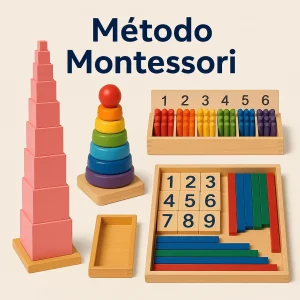
- Hands-On Learning: Engaging, tactile experiences are prioritized, allowing children to learn through doing.
- Autonomy and Freedom: Children are given freedom to choose their activities and work at their own pace, fostering a sense of responsibility and individuality.
Real-Life Situations in the Montessori Method
A Morning Routine at Home Utilizing Montessori Principles
Imagine a typical morning at home where the Montessori method is seamlessly integrated into the daily routine. Picture a child waking up and being greeted by a calm, orderly environment that is set up for independence. The child knows exactly where their clothes are, and the toddler can select their outfit from a low-hanging hook. This allows the child to dress themselves, promoting autonomy. The family might have a designated breakfast area where a child-friendly kitchen setup exists: a small table, utensils within reach, and plates and cups tailored to their size. This arrangement empowers the child to prepare their breakfast, encouraging responsibility while instilling confidence. Such simple yet profound adjustments in the home can make a significant difference in fostering the Montessori philosophy of independence and self-reliance.
A Mixed-Age Classroom Scenario in a School
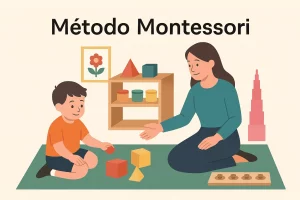
In a classroom that exemplifies the Montessori method, learners of different ages coexist, creating a community of learners. For example, a five-year-old working on a puzzle engages with an older peer who is exploring basic geometry materials. As the younger child seeks assistance, the older child becomes a teacher, explaining and demonstrating how to manipulate the shapes. This not only reinforces the older child’s understanding but also builds their confidence and communication skills. The teacher observes from a distance, facilitating when necessary, but allowing the children to lead their learning. Furthermore, this environment cultivates respect for individual learning journeys, as each child works at their own pace, exploring their interests deeply.
Benefits of the Montessori Method
Adopting the Montessori method can have lasting benefits for children’s development:
- Encourages Critical Thinking: Children learn to think critically by making choices and solving problems independently.
- Promotes Lifelong Learning: The love of learning is fostered through exploration and self-directed activity, setting the stage for lifelong curiosity.
- Builds Independence: The structure of the Montessori environment aids children in developing a strong sense of autonomy and self-discipline.
- Enhances Social Skills: Interacting with peers of various ages helps children develop social skills and emotional intelligence.
Finding Montessori Resources and Schools
To support parents and educators in their quest for Montessori resources, our Montessori locator offers an easy way to find nearby Montessori schools or resources. Whether you are searching for a school in your city or seeking materials for a home learning environment, we provide you with accessible tools and resources. You can check out specific examples of Montessori schools in various locations, such as in Oberursel, Germany, by visiting this link.
Supporting Your Montessori Journey
For those beginning their exploration of the Montessori method, it can be overwhelming to sift through the information available. Thankfully, resources like Understanding Montessori: A Pathway to Independent Learning for Your Child and Exploring Montessori Pedagogy: A Comprehensive Guide for Parents, Educators, and Teacher Training Students offer in-depth insights into the principles and practical applications of this teaching method.
Conclusion
As the demand for personalized education continues to grow, understanding the método Montessori becomes increasingly pertinent. By promoting autonomy, critical thinking, and a love for learning, the Montessori method not only aligns with modern educational needs but also empowers children for future success. For those interested in diving deeper into this transformative pedagogical system, our website provides an array of resources, including articles, practical guides, and the support of our AI assistant MarÍA. Visit this link for further enlightenment on the Montessori method, and discover how it can enrich your child’s educational journey.
“`