The Journey into Montessori: Finding Your Path
Many families begin their exploration of education by searching terms like “Montessori near me” or “Montessori school near me.” This journey often leads them to discover the transformative power of Montessori pedagogy. At Montessori Maria, we provide a global Montessori locator to help families find schools that align with their educational values. Whether you’re looking for resources in your area or specific examples, such as those found in Oberursel, Germany, we have you covered.
What is Montessori Pedagogy?
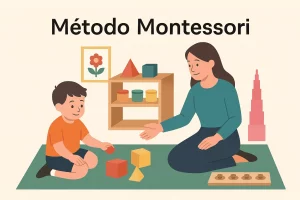
Montessori pedagogy was developed by Dr. María Montessori, whose innovative approach to education emphasizes respect for a child’s natural development. It focuses on fostering independence, allowing students to explore and learn at their own pace, and cultivating a love for learning that lasts a lifetime. To fully understand this approach, we’ll delve into its core principles, which include a prepared environment, autonomy, observation, and sensory learning.
Prepared Environment
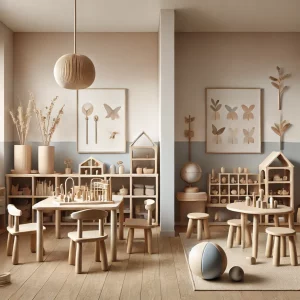
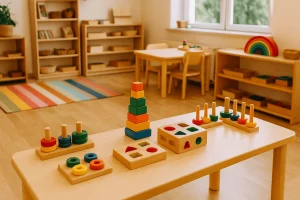
One of the fundamental principles of Montessori education is the prepared environment. This refers to a learning space specifically designed to foster independence and facilitate exploration. In a traditional classroom, this might involve rearranging furniture and materials to create distinct areas for different activities.
For example, in a traditional classroom setting that is being adapted to follow Montessori principles, teachers might create a reading nook with cushions, bookshelves filled with diverse literature, and a quiet area for concentration. This space invites children to choose their activities freely, fostering a sense of ownership over their learning. Learn more about the Montessori method and how to implement it.
Autonomy
Autonomy is a core tenet of Montessori pedagogy. Children are encouraged to make choices and take responsibility for their own learning. This could be as simple as allowing a student teacher to plan their first Montessori environment with options for various activities and materials, enabling them to decide what to focus on according to their interests.
For instance, imagine a student teacher who is designing their environment for a group of five-year-olds. They might choose materials for practical life skills, such as pouring or sweeping, as well as invitations for creative expression through art. By allowing children to choose when and how to engage with these materials, the teacher nurtures their ability to operate independently. Discover more about fostering autonomy in education.
Observation
Observation is a critical aspect of Montessori pedagogy. Teachers act as guides rather than traditional authority figures. They observe children’s interactions with their peers and materials, taking notes on their progress and interests, rather than constantly assessing them with formal tests.
In practice, a teacher in a Montessori environment might spend a day observing children in their activities. They note which materials spark curiosity, how children collaborate during group projects, and where challenges arise. This information helps the teacher tailor the learning experiences to better meet each child’s needs. For a deeper dive into this principle, check out our complete guide on Montessori pedagogy.
Sensory Learning
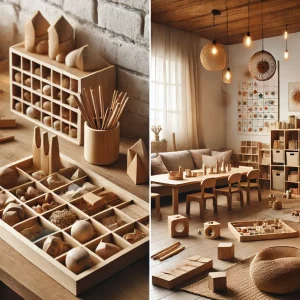
Lastly, sensory learning is essential in the Montessori method. Children learn best through their senses, and a Montessori environment encourages hands-on experiences to engage them fully.
For example, a traditional classroom can incorporate sensory activities by using textured materials, like sandpaper letters or wooden blocks. Children can feel the shapes of the letters, reinforcing their understanding through tactile engagement. This approach not only aids cognitive development but also makes learning a more dynamic and enjoyable experience. Read more about the importance of sensory learning.
The Role of Educators in a Montessori Environment
Educators in Montessori settings are vital as they provide the framework for the children’s self-directed learning. Rather than dispensing knowledge, teachers facilitate the environment and act as guides, closely observing and nudging children towards new discoveries.
An educator might introduce new materials to a child after observing their keen interest in a particular subject. This subtle guidance helps foster a deeper understanding while allowing the child to remain the center of their educational journey. For more insights, consider exploring our guide for educators and teacher-training students.
Why Choose Montessori?
The appeal of Montessori education lies in its ability to cultivate lifelong learners. Families and educators who seek out Montessori schools are typically driven by a desire for an alternative to traditional, test-focused education systems.
When families search for Montessori options in their area, they are often looking for a community that values holistic development, emotional intelligence, and creative problem-solving. With Montessori, children experience education that respects their unique paths and acknowledges their individual learning styles.
Conclusion: Embracing the Montessori Philosophy
In conclusion, the exploration of pedagogia Montessori opens up a world of educational possibilities for parents, educators, and teacher-training students. By understanding the key principles—prepared environment, autonomy, observation, and sensory learning—individuals can create spaces that foster creativity and independence in children. If you’re interested in learning more about this transformative approach, visit the Montessori Maria website for articles, resources, and support. Together, we can nurture the next generation of innovative thinkers and compassionate leaders.