The Journey Begins: Finding Montessori Near You
For many families, the quest for an educational approach that nurtures independence and fosters a love for learning often starts with the search terms “Montessori near me” or “Montessori school near me.” Recognizing the growing interest in Montessori education, our website offers a global Montessori locator at https://montessorimaria.com/en/montessori-near-me. Here, families can find schools and resources tailored to their location, including specific local examples such as the Montessori schools in Oberursel, Germany.
Understanding Montessori Pedagogy
Montessori pedagogy is rooted in principles that emphasize child-centered learning. It is a method developed by Maria Montessori, who believed that education should be a natural and joyful process. As we delve into the core principles of this pedagogy, we will provide practical examples to illustrate how they can be applied.
The Prepared Environment
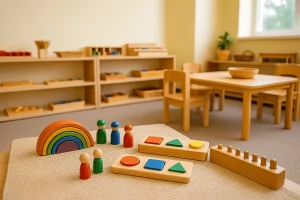
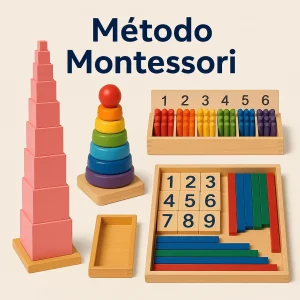
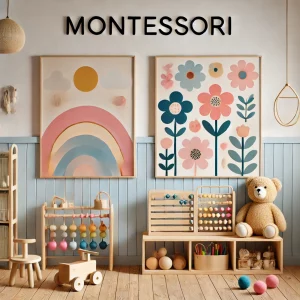
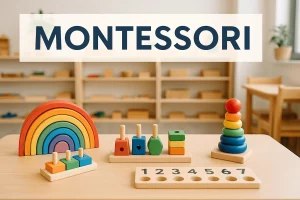
One of the fundamental principles of Montessori pedagogy is the concept of the prepared environment. This involves creating a space designed to encourage exploration and independence. In a traditional classroom being adapted to follow Montessori principles, you might see desks replaced with low shelves filled with developmentally appropriate materials, such as puzzles, books, and art supplies. This setup allows children to choose what they need and dive into activities that interest them.
Autonomy
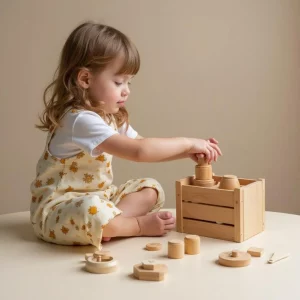
Autonomy is another key principle of Montessori education. Allowing children the freedom to make choices in their learning helps develop a sense of responsibility and self-discipline. For example, a student teacher might plan their first Montessori environment by implementing a “choice time,” where children can select activities that align with their interests, whether it’s a science experiment or a creative writing project. This autonomy sparks genuine engagement and fosters a lifelong love of learning.
Observation
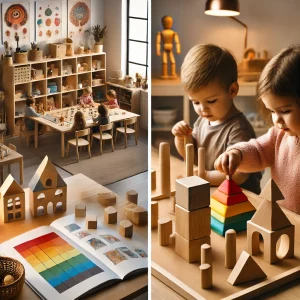
Observation is vital in the Montessori approach, as it allows educators to understand each child’s unique needs and learning styles. For a teacher transitioning from traditional methods, they might set aside specific times each week for careful observation of students during work periods. By taking notes on each child’s interests and how they engage with materials, the teacher can tailor subsequent lessons to suit their development, enhancing the educational experience.
Sensory Learning
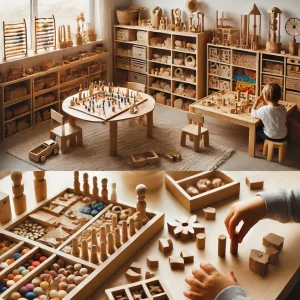
Montessori education places a significant emphasis on sensory learning, which involves using the senses to explore the world. In a practical setting, a traditional classroom can incorporate hands-on materials like sandpaper letters or sensory bins filled with different textures, allowing students to engage in learning through touch. For instance, students could learn about letters by tracing them with their fingers on textured surfaces, reinforcing their writing skills in a tactile way.
Resources for Learning More
As awareness and curiosity about Montessori pedagogy grow, various resources are available for parents, educators, and aspiring teachers. A comprehensive understanding of Montessori principles can be gained through the complete guide to Montessori pedagogy. This resource articulates the transformative effects this educational philosophy can have on children’s learning and development.
Getting Started with Montessori
For those interested in learning more about how to implement Montessori principles in any educational setting, an introduction to Montessori pedagogy lays the groundwork. This guide provides insights into how teachers can foster autonomy and facilitate a rich learning environment.
Understand Maria Montessori’s Legacy
In addition to understanding the principles, it’s vital to recognize the woman behind the method. A deep dive into Maria Montessori’s teachings reveals her commitment to developing a method that respects the natural development of children and their ability to learn through experience.
Conclusion: Embracing Montessori for the Future
As you embark on your journey with Montessori education, whether you are a parent, educator, or student enrolled in teacher training, remember that this pedagogical approach is not just about the physical environment but about cultivating a mindset that prioritizes exploration, independence, and respect for the child. For those looking to deepen their understanding of Montessori, consider engaging with new literature and the plethora of articles available on the Montessori Maria website.
To gain further insight, don’t miss our other articles, including Understanding Maria Montessori and A Comprehensive Guide for Parents. Each resource can enrich your understanding and application of Montessori principles in any learning environment. Embrace the journey!