Introduction to Montessori Pedagogy
In recent years, a growing number of families have begun their educational journey by searching for “Montessori near me” or “Montessori school near me.” This increased interest in Montessori education reflects a desire for an educational approach that fosters autonomy, creativity, and critical thinking in children. Our website provides a global Montessori locator at https://montessorimaria.com/en/montessori-near-me, which can help you find local Montessori schools, such as those in Oberursel, Germany, at https://montessorimaria.com/en/montessori-near-me-oberursel-germany/. This article will delve into the core principles of Montessori pedagogy and how they can be implemented in both traditional classroom settings and new Montessori environments.
Core Principles of Montessori Pedagogy
Montessori pedagogy is grounded in several foundational principles that guide its teaching methods. Understanding these core principles is essential for parents, educators, and teacher-training students seeking to create an effective learning environment.
Prepared Environment
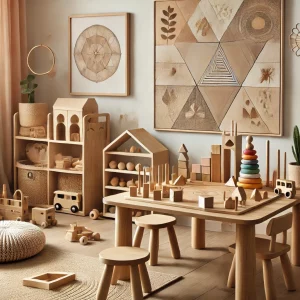
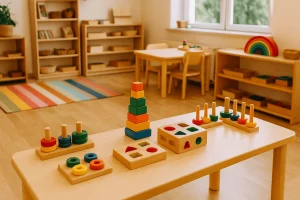
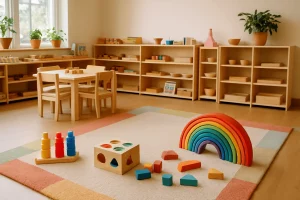
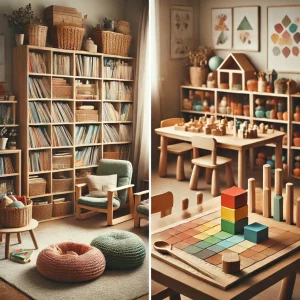
One of the central tenets of Montessori pedagogy is the concept of a prepared environment. This refers to a thoughtfully designed space that promotes freedom of choice and encourages exploration. For example, imagine a traditional classroom where desks are arranged in rows and students sit silently, following a strict curriculum. To adapt this classroom into a Montessori environment, an educator could create learning stations around the room, each dedicated to a different subject or activity. Students would then be free to choose where to focus their energy, allowing them to take charge of their own learning journey.
Autonomy
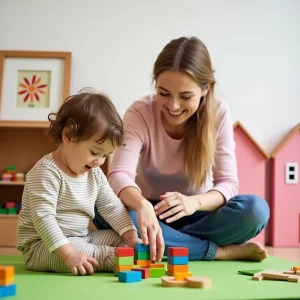
Autonomy is a key aspect of Montessori education, empowering children to make decisions about their learning. In a practical application, consider a student teacher planning their first Montessori environment. Instead of taking a directive approach, the student teacher might set up various learning materials and observe which activities engage the children. By allowing students to choose their own tasks and work at their own pace, they develop a sense of responsibility and self-motivation.
Observation
Observation is critical in Montessori pedagogy. Teachers are trained to observe without interrupting the learning process, identifying students’ interests and developmental stages. For a traditional educator transitioning to Montessori methods, this means stepping back during lessons and watching how students interact with the materials. For instance, they might notice that a child is particularly drawn to a specific art project, indicating a budding interest in creative expression. This insight can guide future lesson planning and material selection.
Sensory Learning
Sensory learning is fundamental to the Montessori approach, as it recognizes that children learn best through hands-on experiences. To illustrate this principle, consider a traditional science lesson where students read about plants from a textbook. In a Montessori setting, the same lesson might be transformed into a sensory experience by giving children real plants to touch, smell, and examine up close. This method not only makes learning more engaging but also helps to reinforce understanding through direct experience.
Implementing Montessori Principles: A Real-World Example
Let’s take a closer look at how a traditional classroom can be adapted using the principles of Montessori education. Imagine a room filled with 30 students where the teacher leads the lesson from the front. By implementing a prepared environment, the teacher could set up different learning areas with specific resources—from a reading nook to a hands-on math station. As children begin to explore these areas, they naturally gravitate towards activities that interest them, thus making learning feel meaningful and engaging.
Becoming a Montessori Educator
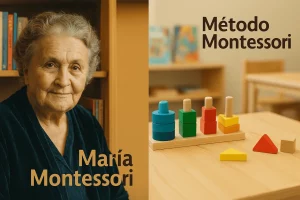
For those interested in becoming Montessori educators, understanding these principles is vital. To kick off this journey, one might start by exploring comprehensive resources like our guía completa sobre la pedagogía Montessori. This guide offers a deep dive into the educational frameworks established by María Montessori, offering fresh perspectives for fostering learning.
Preparing to Teach in a Montessori Environment
Student teachers aiming to plan their first Montessori environment may want to start by creating a vision board of their ideal classroom. This board would illustrate different learning activities, materials, and layouts that support independence and exploration. It’s encouraged to refer to resources like Understanding Montessori Pedagogy to gather various insights. Additionally, collaborating with experienced Montessori educators can offer valuable hands-on experiences that enrich their understanding of child-led learning.
Continuous Learning and Application
Finally, continual learning is essential for both parents and educators interested in Montessori pedagogy. Regularly reading articles and engaging with communities focused on Montessori education will help reinforce understanding and application of these principles. For further exploration, consider visiting this guide, which offers further resources and insights into Montessori education.
Conclusion
Montessori pedagogy offers parents, educators, and student teachers an integrative approach to education that centers the child’s natural curiosity and desire for knowledge. With opportunities for autonomy, purposeful observation, and a prepared learning environment, the Montessori method empowers children to become lifelong learners. For more information, remember to explore various resources on the Montessori Maria website. Embracing this educational philosophy can lead to transformative experiences for children and educators alike.