Introduction to Montessori Pedagogy
Many families begin their educational journey by searching for “Montessori near me” or “Montessori school near me.” These searches indicate a growing interest in alternative educational methods, particularly the Montessori approach. Families are drawn to its principles of child-centered learning and holistic development. For those looking to find a Montessori program, our website provides a global Montessori locator at Montessori near me, which can help you find local resources, such as Oberursel, Germany, ensuring that families can connect with nearby schools or educators.
The Montessori Principles
At the heart of Montessori pedagogy are several key principles that guide the educational approach. Understanding these principles can help parents, educators, and future teachers effectively implement Montessori practices. The core principles include the prepared environment, autonomy, observation, and sensory learning. Let’s delve into each of these principles and explore practical examples.
Prepared Environment
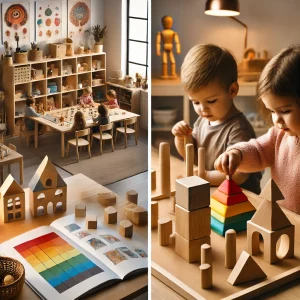
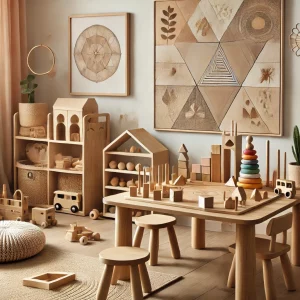
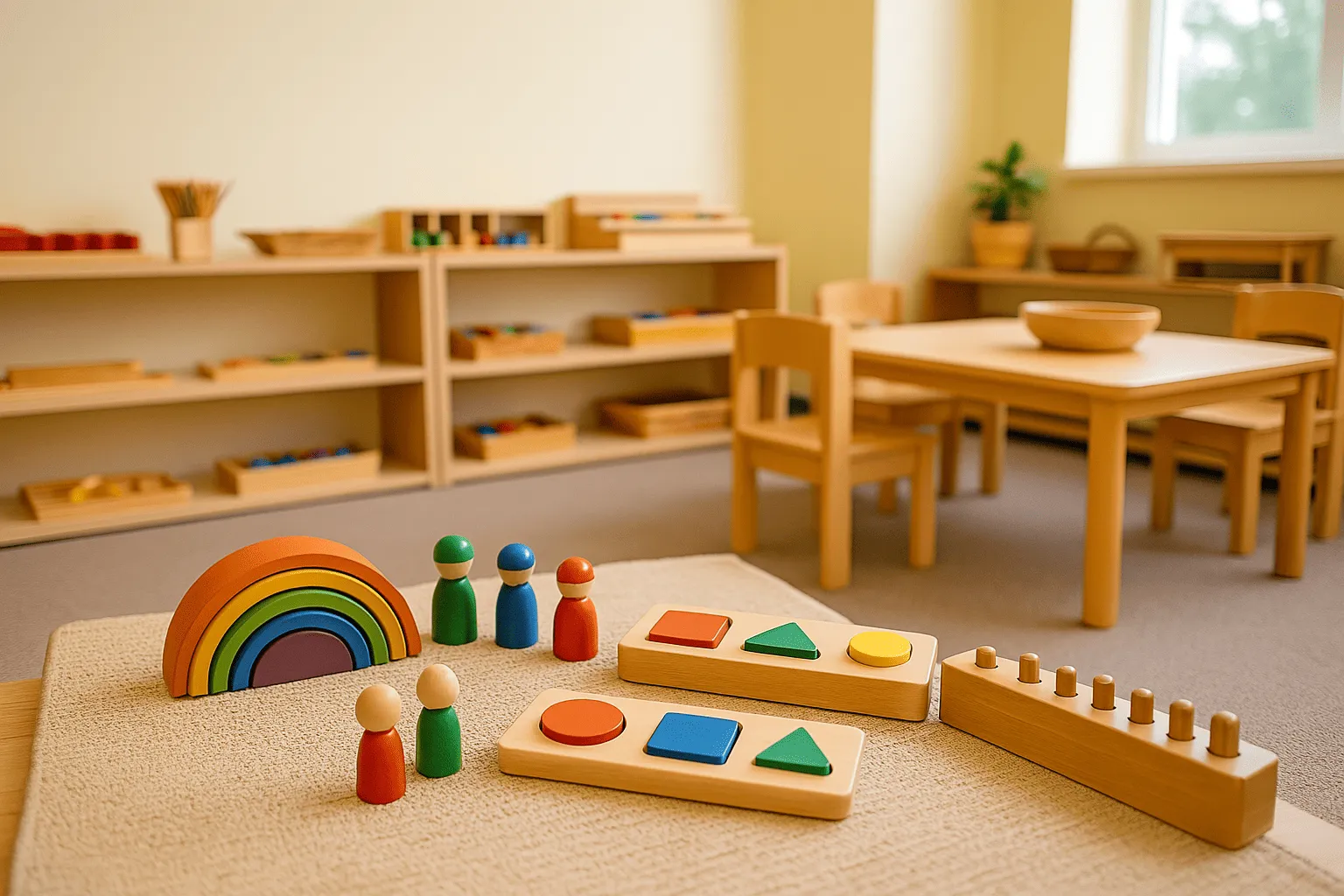
The prepared environment is fundamental to Montessori education. It involves designing a space where children can explore and learn independently. This environment is organized, inviting, and stocked with developmentally appropriate materials. For example, in a traditional classroom being adapted to Montessori principles, educators might replace traditional desks with low tables and floor cushions, creating spaces for group work and individual exploration. Shelves containing materials are organized by subject area, making it easy for children to choose their activities independently.
Autonomy
Autonomy is another cornerstone of Montessori pedagogy. It empowers students to make choices about their learning, fostering independence and self-confidence. In a Montessori environment, a student teacher may plan their first classroom by allowing children to select which lessons to engage in, choosing when to work on tasks, and deciding how long to stay with them. This approach nurtures a sense of ownership over their education, which can lead to a lifelong love for learning.
Observation
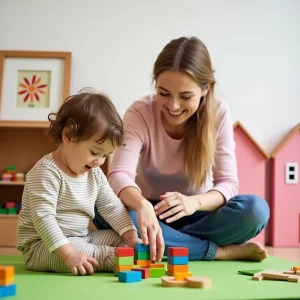
Observation is a vital skill in Montessori education, allowing educators to understand their students’ needs, interests, and developmental stages. For instance, a teacher observing students during a free play session may notice a child’s particular interest in building with blocks. Instead of directing the child to another activity, the teacher might provide more complex building materials that challenge the child’s skills and curiosity. This individualized attention can be transformative, aligning closely with a child’s unique learning path.
Sensory Learning
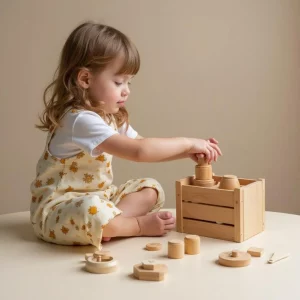
Sensory learning plays a significant role in the Montessori method. It emphasizes engaging the senses to enhance understanding and retention. For example, a traditional classroom can be adapted to include sensory materials that invite children to touch, see, smell, and manipulate different objects. A simple addition could be a tactile map for geography lessons, where children can feel the different textures representing mountains, rivers, and plains, anchoring abstract concepts in concrete experiences. This multisensory approach accommodates diverse learning styles and maximizes engagement.
Practical Applications of Montessori Principles
Now that we’ve explored the essential principles of Montessori pedagogy, let’s consider how they can be practically applied in various educational contexts. Whether you are a parent looking to support your child’s learning journey, an educator seeking to implement Montessori strategies, or a teacher-training student preparing for your career, understanding these principles is crucial.
Shifting from Traditional to Montessori Methodologies
For educators transitioning from traditional education practices to the Montessori method, it can begin with a simple observation of the classroom dynamics. Starting small, teachers can transform one section of the classroom into a Montessori space. By creating a dedicated area with accessible materials, educators can experiment with allowing children to make choices about their activities. This change encourages a sense of responsibility and independence in young learners while serving as a model for full implementation.
Planning for Montessori Environments
For those in teacher training, planning a Montessori environment involves understanding the materials and their purposes. Trainees can create a lesson plan that incorporates various Montessori materials, ensuring they cater to different developmental stages and learning styles. For example, when introducing math concepts, students can use manipulatives such as beads or blocks, allowing for hands-on exploration of abstract concepts. This planning process not only enhances understanding of Montessori principles but also equips future educators with practical skills for their careers.
Resources for Further Learning
As you delve deeper into Montessori pedagogy, many resources can support your journey. For a comprehensive overview, consider reading our guía completa sobre la pedagogía Montessori. Additionally, the introducción a la pedagogía Montessori provides foundational knowledge that can greatly benefit both parents and educators.
Embracing the Montessori Philosophy
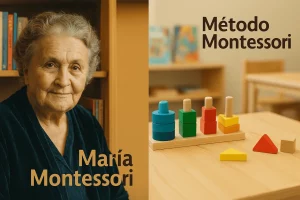
Understanding Montessori pedagogy not only enriches the educational experience but also fosters a nurturing and stimulating environment for every child. As you explore this method, let the foundational principles guide your efforts, whether you are adapting a classroom or supporting your child at home. Furthermore, it’s essential to recognize the importance of Maria Montessori’s contributions to education, as detailed on the Montessori Maria website, which celebrates her revolutionary insights.
Conclusion
In conclusion, Montessori pedagogy offers transformative insights into how we approach education. Embracing these principles can create enriching learning experiences that respect and respond to the unique needs of each child. For more in-depth articles on related topics, feel free to explore: Montessori Education: A Comprehensive Guide for Parents and Educators, Understanding the Montessori Method: A Guide for Parents and Educators, and Understanding Maria Montessori: A Journey Through Her Contributions to Education. For additional guidance, our AI assistant on the Montessori Maria website is at your service, ready to assist you on your Montessori journey.