Introduction to Montessori Pedagogy
Many families begin their journey into Montessori education with searches like “Montessori near me” or “Montessori school near me.” If you are one of those families, you may be pleased to know that our website provides a global Montessori locator at Montessori near me. Here, you can find options tailored to your locality, such as those available in Oberursel, Germany, at Montessori in Oberursel.
The Principles of Montessori Pedagogy
Montessori pedagogy is built on fundamental principles that guide the learning process. Highlighted here are the key principles, including the prepared environment, autonomy, observation, and sensory learning, along with practical applications in real-world scenarios.
Prepared Environment
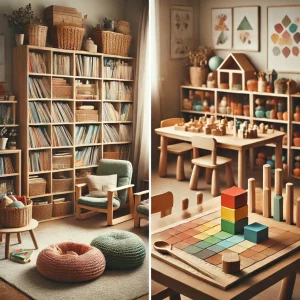
A prepared environment is a fundamental aspect of Montessori education, designed to facilitate independent learning and exploration. In a traditional classroom being adapted to Montessori methods, you might find that furniture is arranged to create a more inviting and accessible space for young learners. Shelves are filled with age-appropriate, diverse materials that are clearly labeled, allowing children to make choices about what they want to explore. For example, a classroom with centers for math, reading, and science could be transformed into a child-centered space where each area is intentionally curated for discovery and engagement.
Autonomy
Autonomy in learning means that children are encouraged to take charge of their own educational paths. A student teacher planning their first Montessori environment might create a ‘choice time’ period, during which children can select activities that interest them. This approach not only empowers students but fosters a sense of responsibility and commitment to their learning process. The student teacher could, for example, create an activity where children choose between building with blocks, reading a book, or experimenting with natural materials, thus promoting independence and a love for learning.
Observation
Observation is a vital tool in Montessori education, allowing educators to understand each child’s unique needs and interests. For instance, a teacher might observe a child deeply engaged in a particular art project, prompting them to introduce related materials to extend that interest further. This individualized approach ensures that each child’s learning experience is tailored to fit their specific developmental stage and personal interests. Such attentiveness encourages a child to feel seen and valued in the learning environment.
Sensory Learning
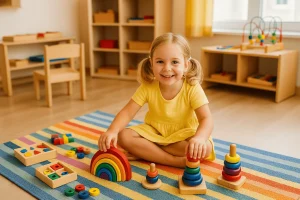
Sensory learning is at the heart of Montessori pedagogy, allowing children to learn through all their senses. In a traditional setting, sensory activities can be introduced even in subjects like math and science. For example, rather than using conventional worksheets for math, children might use tangible manipulatives, like beads or blocks, to visualize numbers and quantities. In science, conducting simple experiments that allow children to touch, taste, smell, and observe can deepen their understanding and ignite their curiosity about the natural world.
Practical Implementation of Montessori Principles
Implementing Montessori principles is not limited to established Montessori schools; educators in traditional settings can incorporate these ideas into their practices as well. Using the guía completa sobre la pedagogía Montessori, educators can begin this transformative journey.
Transforming Traditional Classrooms
Transforming a traditional classroom into a Montessori-inspired learning environment requires intentional steps. Begin by rearranging furniture to facilitate collaboration and movement. Consider adding a variety of learning stations that cater to different subjects and allow for hands-on exploration. A classroom might include a reading nook with comfortable seating and easy access to books, a math area with manipulatives that invite children to solve problems creatively, and a science corner filled with materials that promote discovery and inquiry.
Empowering Students through Choice
Empowering students through choice is vital in the Montessori method. As a new educator, you might introduce weekly plans that allow students to select activities based on their interests, reminiscent of a Montessori classroom. Invite students to reflect on what skills they want to develop and guide them in choosing corresponding projects. This practice fosters deeper engagement and prioritizes personal relevance in their learning experiences.
Conclusion
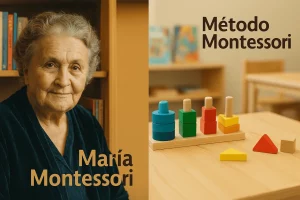
As you explore the world of Montessori pedagogy, whether as a parent, educator, or teacher-training student, remember that education is about creating an environment where children thrive. The principles of prepared environment, autonomy, observation, and sensory learning are crucial for guiding children towards independence and a lifelong love for learning. For more resources, don’t forget to check out the Understanding Montessori Education and gain insights from the Montessori method itself. Additionally, delve into the life of María Montessori to fully appreciate the philosophy that underpins this transformative educational approach. Lastly, stay connected by visiting our complete guide to Montessori, and explore more resources available on the Montessori Maria website.