Introduction to Montessori Education
Many families begin their educational journey by searching for “Montessori near me” or “Montessori school near me.” This is often the first step towards discovering the transformative power of Montessori pedagogy for their children. Whether you’re a parent looking for the right environment for your child, an educator aiming to enhance your teaching methods, or a student preparing for a teaching career, understanding the principles of Montessori education is crucial. Our website provides a global Montessori locator to help families find suitable schools, including local examples, such as the Montessori school in Oberursel, Germany, detailed at this link.
Key Principles of Montessori Pedagogy
Montessori pedagogy is founded on several key principles that foster an environment of freedom, respect, and independence. These principles include a prepared environment, autonomy, observation, and sensory learning. By incorporating these elements, educators can create a nurturing atmosphere that promotes self-directed learning.
Prepared Environment
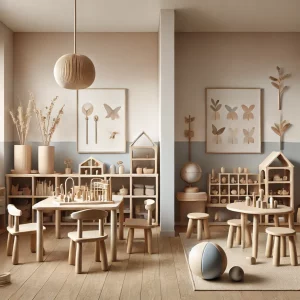
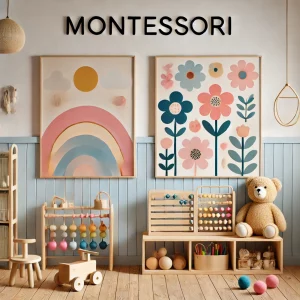
The concept of a prepared environment is central to Montessori education. It involves creating a space that is organized, child-centric, and filled with learning materials that are accessible to children. For example, in a traditional classroom being adapted to a Montessori approach, the teacher might reconfigure the room layout. Instead of rows of desks facing forward, the space could feature small tables where children can work collaboratively or independently. Learning materials, such as books and manipulatives, should be placed on low shelves, encouraging children to select items that interest them and engage in self-directed exploration. For a more comprehensive understanding of this and other principles, you can consult our complete guide on Montessori pedagogy.
Autonomy
Autonomy is another fundamental principle. In a Montessori setting, children are encouraged to make choices about their learning activities. For instance, a student teacher planning their first Montessori environment might create a “choice time” block in their schedule, during which children select activities from various stations. This approach not only fosters independence but also helps children develop decision-making skills. To explore how autonomy enhances learning, you can read our introduction to Montessori pedagogy.
Observation
Observation is critical in Montessori education, allowing educators to understand the unique needs and interests of each child. Rather than leading the class with direct instruction, a teacher might observe students as they engage with materials and play. For example, if a child demonstrates an interest in animals, the teacher could prepare a lesson that incorporates this theme, utilizing books, art materials, and even field trips to enhance the learning experience. This tailored approach supports engagement and intrinsic motivation. To delve deeper into this fundamental aspect, you can explore our guide on Montessori observation.
Sensory Learning
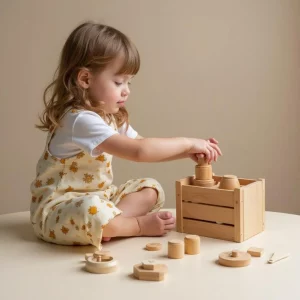
Montessori education emphasizes sensory learning, utilizing hands-on experiences to enhance understanding. For instance, if children are learning about measurement, they might use various materials to measure liquids and solids. A traditional curriculum might rely solely on worksheets and textbooks, but a Montessori approach encourages experimentation and exploration. This active learning style supports retention and comprehension, making it crucial for educators to integrate sensory materials into their lesson plans. For more on the engagement aspects, refer to our comprehensive guide to Montessori education.
The Role of the Teacher in Montessori Education
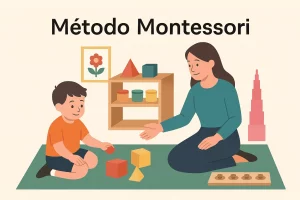
In the Montessori model, the teacher’s role shifts from a traditional authority figure to a guide or facilitator of learning. This approach encourages teachers to cultivate their observations skills and adapt their methods based on students’ needs and interests. For example, rather than delivering a lecture, a teacher could encourage small group discussions around a topic, fostering collaboration among students.
Creating a Montessori-Friendly Environment
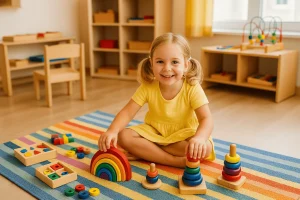
Creating a Montessori-friendly environment involves more than just rearranging furniture. It also requires selecting appropriate materials that stimulate curiosity and learning. Educational tools like Montessori beads, sandpaper letters, and puzzles support different areas of development, such as language, mathematics, and sensorial exploration. Comprehensive lists of materials and how to implement them can be found on the Montessori Maria website.
The Impact of Montessori Pedagogy on Child Development
Many studies support the positive impacts of Montessori education on children’s development. These educational settings often lead to higher academic achievement, improved social skills, and increased self-esteem. Children develop independence and a love for learning, setting a strong foundation for lifelong educational pursuits.
Transitioning from Traditional Education to Montessori
Parents and educators transitioning from traditional educational methods to Montessori pedagogy can encounter challenges. It’s essential to approach this transition with an open mind and a willingness to adapt. Teachers may need additional training or resources to effectively implement Montessori principles in their classrooms. Those interested can find resources and teacher-training programs through our website, enriching their understanding of Montessori methods.
Conclusion
In conclusion, Montessori pedagogy is a transformative educational approach centered on children’s natural development and autonomy. By understanding and applying the principles of this pedagogy, parents, educators, and teacher-training students can create environments that nurture independent learners equipped for success. Start your journey today to discover how Montessori can benefit your child by using our global Montessori locator, and let us guide you toward effective Montessori practices!