Introduction to Montessori Pedagogy
In recent years, many families have turned to the internet, searching for “Montessori near me” or “Montessori school near me” to begin their educational journey. This growing interest in Montessori pedagogy reflects a desire for a nurturing and engaging learning environment that fosters independence and creativity in children. For those interested in exploring Montessori education, our website offers a global Montessori locator to help families find suitable schools in their area. For example, families residing in Oberursel, Germany can discover local options by visiting this link.
Core Principles of Montessori Pedagogy
Montessori pedagogy is built on several foundational principles that enhance the learning experience for children. Understanding these principles is crucial for parents, educators, and teacher-training students aiming to implement Montessori methods effectively. The main principles include:
- Prepared Environment
- Autonomy
- Observation
- Sensory Learning
Prepared Environment
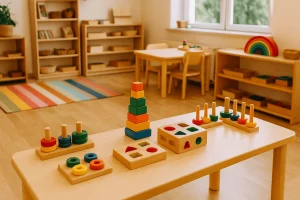
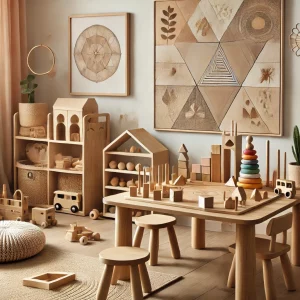
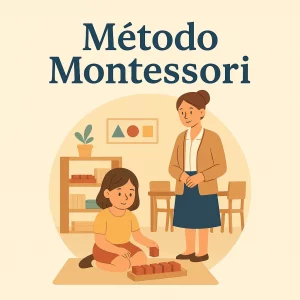
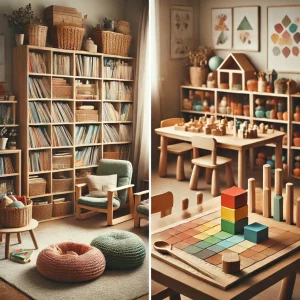
A key element of Montessori education is the *prepared environment*. This principle focuses on creating a space that is conducive to learning, with materials accessible to children at their level. For instance, in a traditional classroom, educators can adapt their environment by organizing materials on shelves that are at children’s height. This allows them to choose activities independently, fostering a sense of ownership over their learning.
Autonomy
*Autonomy* is another central tenet of Montessori pedagogy. This principle encourages children to take initiative and make choices about their learning. For example, a student teacher planning their first Montessori environment might set up stations where children can engage with various materials, allowing them to select projects based on their interests. By doing so, children develop confidence and a sense of direction in their educational journey.
Observation
*Observation* is crucial in the Montessori approach as it helps educators understand each child’s unique needs and interests. A practical application of this principle occurs when a teacher spends time observing students during their activities. For instance, by noticing a child engrossed in a specific type of block play, the teacher can introduce more complex materials that align with that child’s interests. This tailored approach enhances individual learning experiences.
Sensory Learning
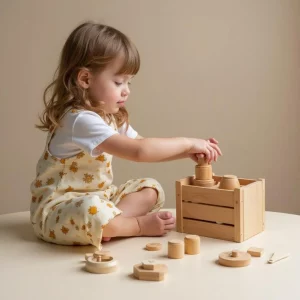
Montessori education heavily emphasizes *sensory learning*, where children interact with their environment through touch, sight, and sound. In a traditional classroom setting, this can be implemented by incorporating sensory tables filled with various textures, allowing children to engage in hands-on experiments. For example, providing materials like sand, water, and various tactile items encourages exploration and discovery, enhancing sensory awareness.
Resources for Deeper Understanding
To better understand Montessori methods, educators and parents can refer to comprehensive resources available on our website. A detailed guide on Montessori pedagogy offers insights into various aspects of this educational approach. Additionally, an introduction to Montessori pedagogy is an excellent starting point for those new to the concept.
Implementing Montessori in Traditional Settings
Educators adapting Montessori principles in traditional classrooms often face the challenge of restructuring their teaching approaches while ensuring that they align with curriculum standards. One effective way to start this journey is by gradually introducing Montessori materials and techniques alongside traditional resources. For instance, an elementary teacher can experiment with Montessori-based lessons focusing on hands-on learning experiences, such as using manipulatives to teach math concepts.
Case Study: A Student Teacher’s Experience
Consider the case of a student teacher who is eager to create a Montessori-inspired environment in her classroom. She begins by arranging seating to encourage collaboration, placing chairs in small groups rather than rows. She then provides shelves stocked with engaging materials tailored to her students’ interests and developmental stages. This transformation from a traditional to a Montessori-style classroom enables her students to thrive, as they now have the opportunity to choose activities that resonate with their unique preferences.
Benefits of Montessori Education
The benefits of Montessori education are profound. Children develop independence, creativity, and critical thinking skills, which are essential in today’s world. Moreover, the approach allows them to become active learners who take responsibility for their education. Parents and educators alike have observed that students in Montessori programs tend to exhibit higher levels of engagement and enthusiasm for learning.
Conclusion
In conclusion, Montessori pedagogy presents a transformative approach to education that prioritizes the child’s experience, autonomy, and sensory involvement. Parents, educators, and student teachers interested in this educational method can greatly benefit from exploring the resources available on the Montessori Maria website. As more families search for “Montessori near me,” it’s vital to understand how this method can be integrated into various educational settings. By embracing Montessori principles, we can help cultivate an environment where children thrive as independent, confident learners.
For further reading, check out our latest articles: A Comprehensive Guide to Montessori Education for Parents and Educators, Understanding the Montessori Method: A Guide for Parents and Educators, Discovering the World of Maria Montessori: A Guide for Parents and Educators, Understanding Montessori: A Parent’s Guide to Empowering Independent Learners, and Understanding Montessori Pedagogy: A Guide for Parents, Educators, and Teacher-Training Students.