Starting Your Montessori Journey
Many families embarking on their educational journey often begin by searching for “Montessori near me” or “Montessori school near me.” This initial search can lead parents to discover the transformative power of Montessori pedagogy, offering opportunities for their children to thrive in a learning environment designed specifically for their needs. Our website provides a global Montessori locator at Montessori near me, making it easier for families to find nearby Montessori schools and resources. For example, if you’re located in Oberursel, Germany, you can explore options at this link.
What is Montessori Pedagogy?
Montessori pedagogy is a child-centered educational approach developed by Dr. María Montessori. It emphasizes independent, hands-on learning tailored to each child’s unique development pace. Underlying this methodology are several core principles that foster a nurturing, engaging, and holistic learning environment. In this article, we will explore these principles and provide practical real-life examples for parents, educators, and teacher-training students.
Prepared Environment
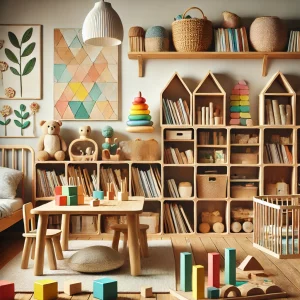
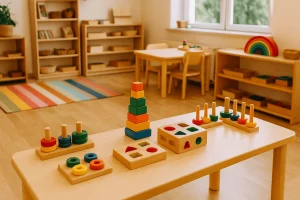
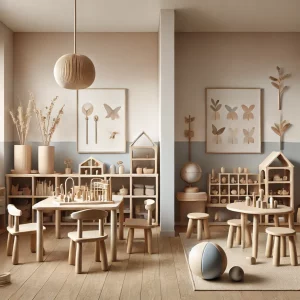
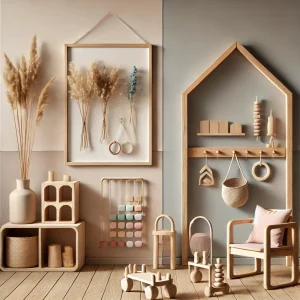
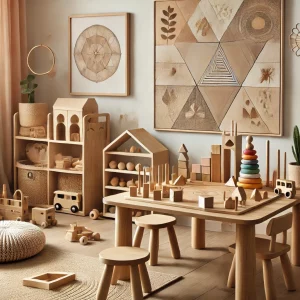
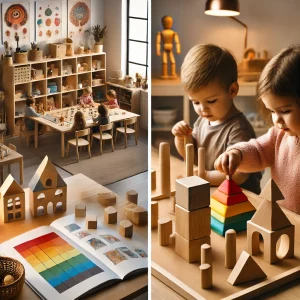
The prepared environment is a fundamental aspect of Montessori education. It refers to a space that is thoughtfully arranged and equipped to support the child’s learning journey. In a traditional classroom being adapted to fit Montessori principles, one might start by decluttering and organizing the space to make materials accessible and inviting. For instance, rather than having rows of desks facing the teacher, furniture can be rearranged into small, cozy learning areas where students have easy access to a variety of learning materials.
Autonomy
Autonomy in learning is another core principle of Montessori pedagogy. Children are encouraged to make choices about their activities, fostering independence and critical thinking. A student teacher planning their first Montessori environment might implement a choice board that allows children to select activities that interest them. This not only promotes engagement but also instills a sense of responsibility and ownership over one’s learning.
Observation
Observation is a powerful tool in the Montessori approach. Educators and parents are trained to observe children’s interactions and choices without interference, allowing them to understand better the individual needs and interests of each child. For example, a teacher may notice a child’s affinity for building with blocks and decide to provide more advanced materials related to engineering and architecture to foster that interest further. This observation-driven approach ensures that each child receives a personalized educational experience.
Sensory Learning
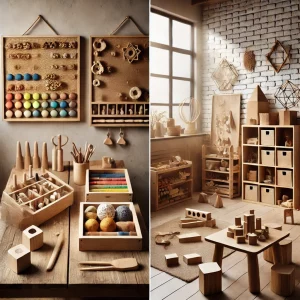
Montessori pedagogy emphasizes sensory learning, supporting the idea that children learn best through their senses. In adapting a traditional classroom, an educator could create sensory stations with tactile materials that allow children to engage with concepts directly. For instance, introducing an area with sandpaper letters helps children developing literacy skills while simultaneously engaging their sense of touch.
Benefits of Montessori Pedagogy
The benefits of Montessori pedagogy extend beyond academic achievements. Children show improved social skills as they learn to collaborate and communicate within a mixed-age classroom. Furthermore, studies indicate that Montessori students tend to have higher levels of intrinsic motivation and resilience. By focusing on concepts outlined in the guía completa sobre la pedagogía Montessori, educators can create enriching environments that foster these important skills.
Implementing Montessori in Various Settings
Whether in a traditional classroom or a home environment, incorporating Montessori principles can lead to transformative educational experiences. For educators, understanding how to implement these principles can be pivotal in their teaching journeys. A useful starting point could be the introducción a la pedagogía Montessori, which offers foundational insights into its implementation.
Creating a Montessori Home Environment
Parents can also embrace Montessori principles at home. Creating a prepared environment involves selecting educational toys, arranging furniture for accessibility, and allowing children to make choices about their daily activities. For example, instead of using a high chair, parents can introduce a child-sized table where their child can learn to prepare meals and serve themselves. This encourages independence and develops life skills in a nurturing context.
Professional Development for Educators
For educators aiming to deepen their understanding of Montessori pedagogy, professional development opportunities abound. Many training programs incorporate hands-on experiences where future teachers can practice setting up environments and observing children in action. Engaging in professional development allows educators to explore resources on the Montessori Maria website, making them adept at adapting their teaching methodologies based on student needs and interests.
Resources for Further Learning
To gain deeper insights into Montessori pedagogy, educators and parents can explore a variety of resources. The Montessori Maria website offers insightful articles and guides. Check out these articles: Montessori Pedagogy: A Comprehensive Guide for Parents, Educators, and Teacher-Training Students, Discovering Montessori: A Guide for Parents Seeking Educational Solutions, Understanding the Montessori Method: A Comprehensive Guide for Parents and Educators, Understanding María Montessori: A Guide for Parents and Educators, and Understanding the Montessori Method: A Comprehensive Guide for Parents and Educators.
Conclusion: Embracing Montessori Principles
In conclusion, Montessori pedagogy provides a unique opportunity for children to learn and grow in a supportive environment. By incorporating principles such as prepared environments, autonomy, observation, and sensory learning, parents and educators can create rich and rewarding educational experiences. We encourage you to explore more about Montessori pedagogy through the resources available on the Montessori Maria website. Your journey into the world of Montessori awaits!