Introduction to Montessori
For many families beginning their educational journey, the search often begins with queries like “Montessori near me” or “Montessori school near me.” This reflects the growing interest in the Montessori method, which emphasizes child-centered education and fosters independence. If you’re just starting out or looking to find a Montessori education option for your child, our website offers a global Montessori locator at Montessori near me. For local insights, you can explore examples like Montessori options in Oberursel, Germany.
Core Principles of Montessori Pedagogy
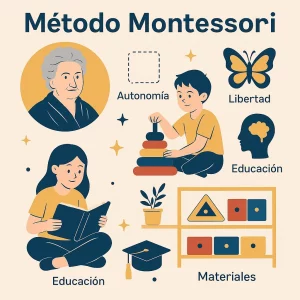
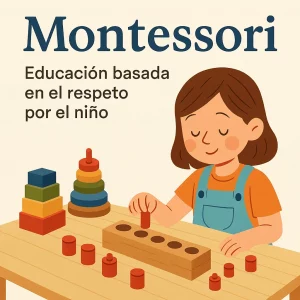
Montessori pedagogy is built upon several foundational principles that guide its educational framework. Understanding these key concepts is vital for parents, educators, and those in teacher training programs. Let’s explore each principle and illustrate them with practical examples.
Prepared Environment
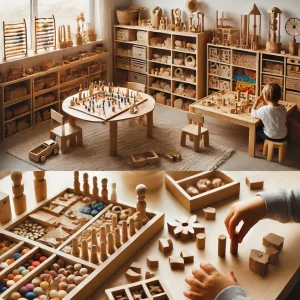
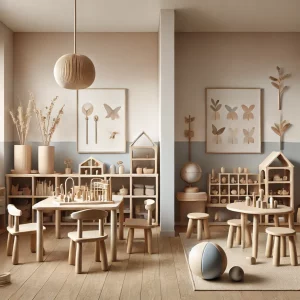
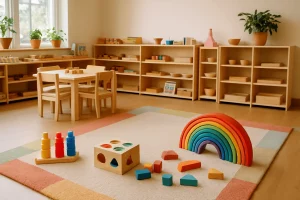
The prepared environment is carefully designed to facilitate independent learning. In a traditional classroom shifting to a Montessori approach, teachers can create designated areas with materials that are easily accessible to students. For instance, a corner could be designed for reading, complete with a variety of books at different reading levels, cushions for seating, and a calm atmosphere conducive to focused study.
Autonomy
Autonomy in a Montessori classroom allows students to make choices regarding their learning activities. A student teacher planning their first Montessori environment might incorporate a selection of activities on a shelf, where children can choose what they want to work on. For example, a three-part card sorting activity could be made available alongside art materials, enabling children to switch between cognitive and creative pursuits freely.
Observation
Observation is an essential practice in Montessori education. It allows the educator to understand each child’s unique needs, interests, and learning styles. A new educator might observe how students engage with specific materials to tailor their instruction accordingly. For example, noticing a child’s fascination with geometric shapes could lead the teacher to provide additional resources related to geometry, fostering deeper exploration.
Sensory Learning
Montessori emphasizes sensory learning, encouraging exploration through the senses. In a traditional setting, integrating sensory materials can enrich learning experiences. A teacher could introduce tactile letters for phonetic practice, allowing students to trace letters and feel their shapes, enhancing their understanding of language.
Real-Life Applications of Montessori Principles
To truly grasp the impact of these principles, let’s consider how they can be applied in real-life educational settings, especially for those beginning their Montessori journey.
Creating a Classroom Transition
If a traditional classroom is transitioning to embody Montessori principles, teachers can begin by rearranging furniture to create distinct learning zones. For instance, a science corner with magnifying glasses, plants for observation, and science books would support curiosity. In establishing a culture of autonomy, students could be encouraged to decide where to work and what tasks to undertake, creating a sense of ownership over their learning.
Student Teacher Planning
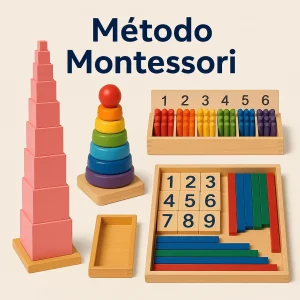
Student teachers can prepare for their future classrooms by thinking critically about how to integrate the Montessori principles effectively. They might choose specific subjects to focus on during their practicum, setting up a small-scale environment that employs hands-on learning materials. For example, using Montessori math materials such as golden beads or number rods can help illustrate the concepts of quantity and numeric value tactilely and visually.
Resources for Further Learning
For parents, educators, and teacher-training students eager to learn more about Montessori pedagogy, thorough resources are available. You can find a comprehensive guide to the Montessori methodology in our article: guía completa sobre la pedagogía Montessori. Additionally, an introducción a la pedagogía Montessori breaks down these principles for straightforward understanding.
Why Choose Montessori?
Choosing a Montessori education can benefit children in numerous ways. It helps nurture not just academic abilities, but also emotional intelligence, independence, and a lifelong love for learning. Montessori environments are designed to be inclusive and respectful of each child’s individual learning pace, promoting overall well-being.
Understanding the Impact of María Montessori
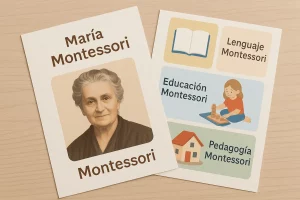
The work of María Montessori continues to inspire educators around the world. Her approach has transformed traditional education paradigms by focusing on child development and hands-on learning experiences. To understand her philosophy in-depth, our article provides invaluable insights into her life and methods.
Conclusion
In conclusion, Montessori pedagogy offers a transformative educational approach that encourages autonomy, sensory exploration, and thoughtful observation. For parents and educators seeking to embrace this method, the resources available through the Montessori Maria website serve as a solid foundation. Whether you’re searching for “Montessori near me” or aiming to adapt your teaching practice, the principles of Montessori can guide you toward fostering a more enriching educational environment.
Additional Reads
For those interested in continuing their exploration, check out these articles for more guidance: