The Search for Montessori
As parents embark on their educational journey, many start searching for options nearby using phrases like “Montessori near me” or “Montessori school near me.” Understanding Montessori pedagogy can illuminate why families are drawn to this educational approach. Over the years, the Montessori method has gained recognition for its distinctive principles and practices. To support your search, our website offers a global Montessori locator available at Montessori near me, making it easier for you to find schools aligned with this transformative methodology, including a local example in Oberursel, Germany at Montessori in Oberursel.
Key Principles of Montessori Pedagogy
Montessori education is built around several key pedagogical principles that differentiate it from traditional teaching methods. The core principles are the prepared environment, autonomy, observation, sensory learning, and the role of the teacher as a guide rather than a lecturer.
The Prepared Environment
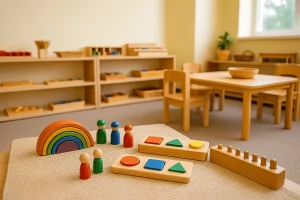
One of the foundational elements of Montessori pedagogy is the prepared environment. This refers to a learning space intentionally designed to foster independence and facilitate learning experiences. For instance, in a traditional classroom adapting to Montessori principles, you might start by rearranging furniture to create distinct areas: a quiet reading nook, a space for group work, and a hands-on activity center. This zoning allows children to choose where to engage based on their interests, encouraging self-directed exploration.
Autonomy
Autonomy in learning is another cornerstone of Montessori education. It emphasizes giving learners the freedom to make choices in their educational journey. When a student teacher is planning their first Montessori environment, they might implement a system where children can select their own tasks from a list of available options. This approach cultivates a sense of ownership over their learning, boosts motivation, and enhances engagement.
Observation
Observation is crucial in Montessori education, as it allows educators to understand the individual needs, interests, and developmental stages of each child. For example, a teacher observing a child deeply engrossed in a specific activity can provide tailored follow-up lessons or materials that enhance that child’s learning experience without interruption. This kind of attentive observation supports personalized education, ensuring that each child receives what they need at the right moment.
Sensory Learning
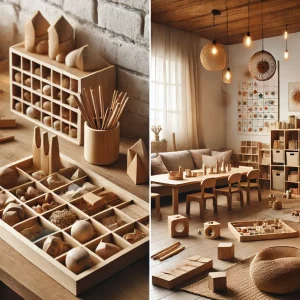
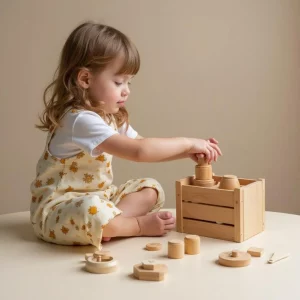
Maria Montessori believed that learning through the senses is essential for children, particularly in early development. In a Montessori classroom, you might see sensory materials like textured objects, sound cylinders, or color tablets used to spark curiosity and engage children’s senses. For instance, by allowing children to explore different textures and colors, they develop their sensory awareness and enhance cognitive skills naturally. This practical application makes learning more tangible and meaningful.
Teacher’s Role in Montessori Education
In contrast to traditional teaching roles where the teacher is the primary source of knowledge, the Montessori educator acts as a facilitator. They observe, guide, and provide resources as needed, stepping back to allow students to engage deeply with their learning processes. This dynamic fosters a respectful relationship between students and teachers and nurtures a community of collaborative learners.
Creating a Montessori Classroom
When transitioning a conventional classroom to a Montessori one, it’s essential to consider the layout, resources, and teaching strategies. In a traditional classroom setting, desks may be arranged in rows to face the teacher. However, in a Montessori environment, reconfiguring the setup into clusters or circles encourages collaboration and communication among students. Incorporating diverse learning materials also signals a commitment to engaging all learners, supporting the diverse needs of each child.
Resources and Further Reading
To delve deeper into Montessori pedagogy, consider exploring the complete guide to Montessori pedagogy, where you’ll discover more about its principles, history, and implementation strategies. Additionally, the introduction to Montessori pedagogy offers insights into how this approach nurtures autonomy and fosters a love for learning. Understanding the life and ideas of Maria Montessori herself can further illuminate her philosophy and its implications for modern education.
Conclusion
Montessori pedagogy presents a radical shift from traditional educational practices. By focusing on the prepared environment, promoting autonomy, prioritizing observation, and encouraging sensory learning, this approach supports holistic development. Parents, educators, and teacher-training students can benefit significantly from understanding and applying these principles in their educational settings. For ongoing resources, insights, and the latest articles regarding Montessori education, visit the Montessori Maria website. From comprehensive guides to practical tips, there’s a wealth of information available to help you on your Montessori journey. Whether you’re seeking to find a Montessori school, studying to become a Montessori educator, or simply interested in innovative teaching approaches, embracing Montessori principles can lead to a transformative educational experience for children everywhere.