The Search for Montessori: A Common Starting Point for Families
For many families seeking an alternative to traditional education, the journey often begins with a simple online search for “Montessori near me” or “Montessori school near me.” This search reflects a growing awareness of the unique benefits of the Montessori pedagogy, which encourages independence, curiosity, and individualized learning in children. Our website provides a global Montessori locator, allowing families to find nearby Montessori schools tailored to their needs, just like the example found in Oberursel, Germany.
What is Montessori Pedagogy?
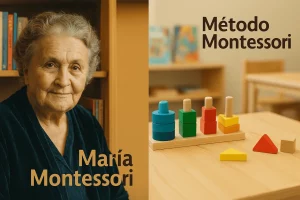
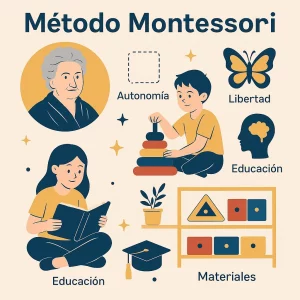
Montessori pedagogy, founded by Dr. María Montessori, is a child-centered educational approach that focuses on fostering learning environments that promote independence, respect, and collaboration. Her methods are built upon key principles that encourage children to learn at their own pace and according to their individual interests.
The Prepared Environment
One of the core principles of Montessori is the ‘prepared environment.’ This aspect emphasizes creating spaces that are conducive to learning, exploration, and discovery. In a traditional classroom, for example, adapting this principle might mean reorganizing furniture to allow more open spaces for movement and hands-on activities. Consider a typical classroom where desks are arranged in rows: transitioning to a circular or cluster seating arrangement can facilitate group work and discussions, encouraging collaboration among students.
Autonomy and Independence
Autonomy is another crucial element of Montessori pedagogy. Children are encouraged to make choices regarding their learning, which fosters a sense of ownership and responsibility. Imagine a student teacher planning their first Montessori environment; they might offer a selection of activities for children to choose from, ranging from science experiments to art projects. This empowers students by allowing them to pursue their interests, making learning a joyful experience.
Observation
Observation plays a significant role in the Montessori method. Educators are trained to observe children’s behaviours and interests carefully without interference. A traditional teacher might typically lead discussions and dictate lessons; however, a Montessori teacher refrains from interrupting and instead gathers insights to tailor the learning experience according to each child’s needs. For instance, if a student shows intense interest in insects, the teacher could introduce related materials and lessons, creating a personalized learning path.
Sensory Learning
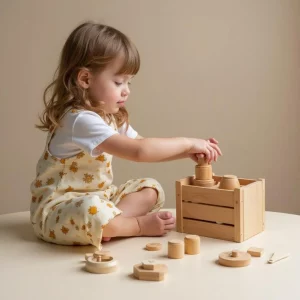
Montessori education also emphasizes sensory learning. This means children engage in hands-on activities that stimulate their senses, facilitating deeper understanding and retention of information. Consider transforming a standard classroom project focused on geography into a tactile experience: children could use clay to create models of geographical features such as mountains and rivers. This type of engaging, sensory activity allows learners to connect more deeply with the subject matter.
Real-life Examples of Montessori Adaptations
Implementing Montessori principles into a traditional classroom or a new Montessori environment requires creativity and flexibility. For instance, in a kindergarten classroom transitioning to a more Montessori approach, teachers might begin by setting up learning stations that allows children to explore different subjects using Montessori materials such as practical life tools and sensory bins. Over time, the classroom can evolve into a fully prepared Montessori environment.
Professional Development for Educators
For those pursuing teaching credentials in Montessori, understanding these principles is essential. Student teachers can benefit from workshops that explore these foundational concepts. They might engage in practical exercises that simulate the setup of a Montessori environment or engage in collaborative discussions about observation and the role of the teacher. These experiences can prepare teacher-training students to develop their classrooms in a way that encourages autonomy and fosters a supportive learning atmosphere.
Conclusion
Montessori pedagogy offers a transformative approach to education by placing the child at the center of the learning process. Parents, educators, and teacher-training students eager to explore this method can find an abundance of resources and guidance on the Montessori Maria website, including a complete guide on Montessori pedagogy. The journey to understanding and implementing these principles is not only exciting but essential for fostering a love of learning in children. Whether you search for “Montessori near me” or explore the vast resources available online, embracing Montessori education can lead to profound changes in how students interact with the world around them.
Explore More!
For further insights, consider these articles: