Introduction to Montessori Pedagogy
As the interest in alternative education continues to grow, many families begin their journey by searching for terms like “Montessori near me” or “Montessori school near me.” This search often leads to a deeper understanding of Montessori pedagogy and its principles. At the Montessori Maria website, we offer a global Montessori locator to help families find local schools, including specific examples like Montessori schools in Oberursel, Germany. This journey is not only about finding a school but also about embracing a philosophy that prioritizes child-centered learning and holistic development.
Key Principles of Montessori Pedagogy
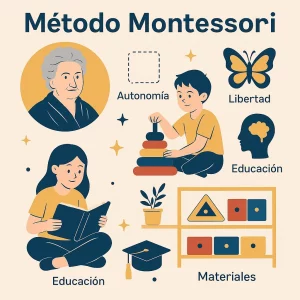
Montessori pedagogy is grounded in several key principles that are designed to foster an environment conducive to learning and growth. Some of these principles include the prepared environment, child autonomy, careful observation, and sensory learning. Let’s explore these concepts in detail and see how they can be applied in practical settings.
The Prepared Environment
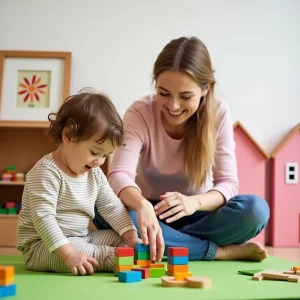
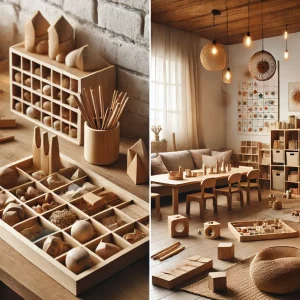
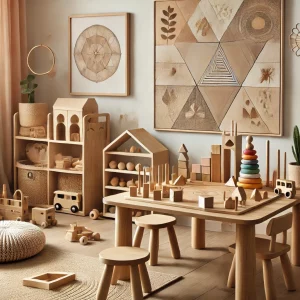
One of the cornerstones of Montessori pedagogy is the prepared environment. This is a space that is specifically arranged to support independent learning and exploration. For example, consider a traditional classroom that is being adapted to meet Montessori standards. In a traditional setting, desks may be arranged in rows, limiting interaction and collaboration. However, in a Montessori classroom, the space is arranged with low shelves filled with engaging materials accessible to children. This allows children to choose activities freely, fostering independence and responsibility in their learning.
This concept is further elaborated in our complete guide to Montessori pedagogy, which discusses how creating a thoughtfully designed space enhances a child’s natural curiosity and motivation to learn.
Child Autonomy
Child autonomy is another fundamental principle of Montessori education. Encouraging children to make choices fosters a sense of ownership over their learning process. A student teacher planning their first Montessori environment might emphasize providing various activities that appeal to different interests and developmental stages. For instance, a corner with art supplies could allow children to explore their creativity, while a math area with manipulatives invites them to experiment with concepts at their own pace.
For those new to these concepts, an introduction to Montessori pedagogy can be very beneficial in understanding how autonomy promotes lifelong learning skills.
Observation
In Montessori education, observation is a vital tool for educators. By carefully watching how children interact with their environment and peers, teachers can gain insights into each child’s needs and interests. A practical application of this could be a teacher noting a student’s fascination with insects. They might then create an insect study project where children research different species and create art based on their findings. This approach not only nurtures individual interests but also applies collaborative and critical thinking skills.
Sensory Learning
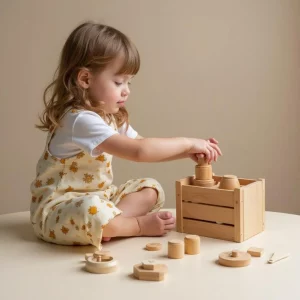
Montessori classrooms emphasize sensory learning, which helps children understand and engage with their surroundings through their senses. Materials are often designed with specific textures, weights, and smells to enhance exploratory learning. For example, a student observing young children engaging with a sensory bin filled with rice and scoops might see how these simple materials promote fine motor skills and cognitive development. By allowing children to touch and manipulate materials, they build connections with abstract concepts like volume and measurement.
Implementing Montessori Principles in Traditional Settings
Educators in traditional programs often wonder how they can incorporate Montessori principles into their classrooms. The key lies in gradually shifting the educator’s role from the primary source of information to a facilitator of learning. This can begin with small adjustments, such as reconfiguring the classroom layout or providing diverse learning stations that allow for self-directed exploration.
For an educator skeptical about completely transforming their environment, starting with one or two Montessori practices—such as allowing for choice of activity or implementing observation techniques—can lead to a gradual shift in pedagogy. As shared in various articles on our platform, such as Understanding Montessori and the transformative journey of Montessori education, these small changes can yield significant benefits in terms of students’ engagement and enthusiasm for learning.
The Role of Educators and Parents in Montessori Education
Parents and educators play crucial roles in supporting the Montessori philosophy. Communication between home and school is essential to create a consistent learning environment. For example, parents can reinforce Montessori principles at home by creating prepared environments that promote autonomy and sensory exploration—imagine a simple reading nook filled with diverse books and comfy seating.
Moreover, the Montessori philosophies shared on Understanding Montessori pedagogy also guide parents in recognizing the importance of observation, fostering independence at home, and encouraging their children to explore various interests without pressure or time constraints.
Conclusion: Embracing Montessori Pedagogy
Montessori pedagogy presents an innovative approach to education based on respect for the child and recognition of their individuality. By understanding the essential principles—like the prepared environment, autonomy, observation, and sensory learning—parents, educators, and teacher-training students can cultivate enriched educational experiences. We invite you to start your own journey in exploring and implementing Montessori practices through resources available on our website, and discover new opportunities for your community.
For more insights, visit our articles such as Educational insights into Montessori and Celebrate the work of María Montessori. Through collaboration and commitment, we can shape the future of education for generations to come.