Starting Your Montessori Journey
Many families looking for educational options often begin their journey by searching for “Montessori near me” or “Montessori school near me”. They are seeking an environment that nurtures independence and fosters a love for learning in their children. Our website provides a global Montessori locator to assist families in this quest. You can find local Montessori options through our Montessori near me feature, where we also provide specific local examples, such as in Oberursel, Germany.
What is Montessori Pedagogy?
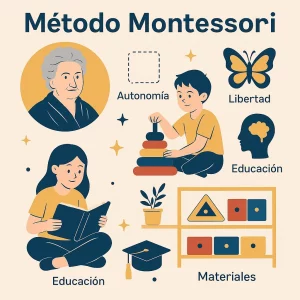
Montessori pedagogy, developed by María Montessori, is centered around several key principles that prioritize the natural development of children. The pedagogy emphasizes a child-centered approach, where the learning environment is prepared to meet the needs of the children and their inherent desire to learn. The core principles include:
Prepared Environment
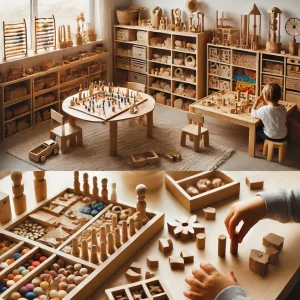
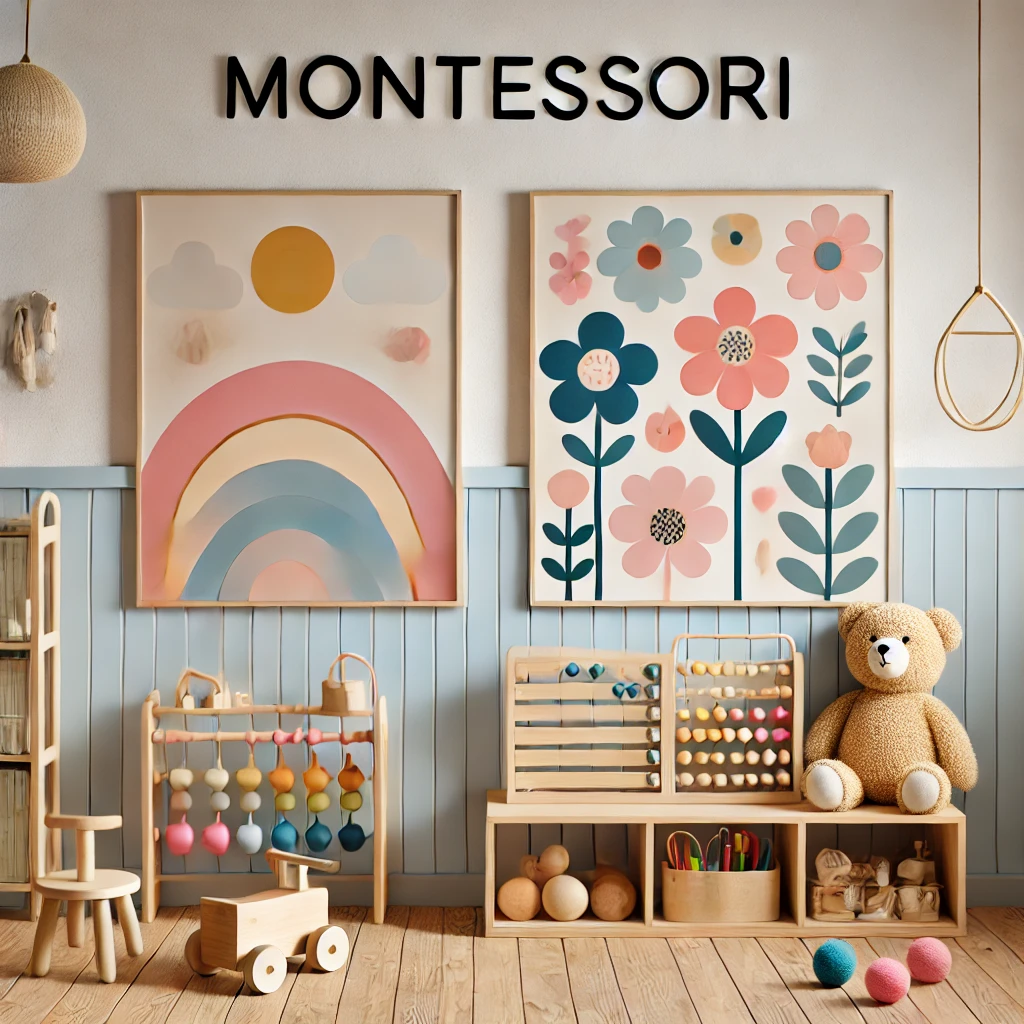
A prepared environment is one that is tailored to facilitate active engagement and exploration. For example, in a traditional classroom setting transitioning to a Montessori model, a teacher might create various learning stations. Each station could focus on different developmental skills, such as math, language, or sensory exploration. This enables children to choose their activities based on their interests, thus promoting autonomy.
Autonomy
Autonomy in Montessori education means that children are given the freedom to make choices in their learning. Consider a student teacher planning their first Montessori environment. They could set up an area with various materials that children can choose from. An example might include colorful blocks for construction. This setup encourages children to pursue their interests and develop decision-making skills.
Observation
Observation is a critical component in Montessori pedagogy. Teachers must carefully observe children to understand their interests and developmental stages. For instance, a teacher may notice a child gravitating towards puzzles. This observation can guide the teacher in preparing future activities that challenge this child’s problem-solving abilities while also maintaining engagement.
Sensory Learning
In Montessori classrooms, sensory learning is encouraged as it cultivates a child’s ability to interact with their world. A practical example might involve introducing materials that engage multiple senses, such as textured fabrics or scented objects. In adapting a traditional environment, educators can incorporate these sensory materials into their lessons, enhancing the learning experience by making it more tangible and relatable for the children.
Applying Montessori Principles
Implementing Montessori principles in various educational environments can yield positive results. Here’s how:
Adaptation of Traditional Classrooms
A traditional classroom can be transformed into a more Montessori-friendly environment by reorganizing the physical space. This includes creating distinct areas for different types of activities, ensuring that materials are accessible, and structuring activities that promote independent exploration.
Future Educators and Student Teachers
For student teachers, understanding Montessori principles can enhance their teaching philosophy. A focus on creating a prepared environment, fostering autonomy, and encouraging observation can significantly impact their effectiveness as educators. Moreover, engaging with resources to bolster understanding is beneficial. Resources such as the guía completa sobre la pedagogía Montessori provide valuable insights.
Benefits of Montessori Education
Montessori education boasts numerous benefits, including enhanced academic performance and a strong sense of self-motivation among children. Research indicates that children in Montessori schools often perform better than their peers in traditional settings. This success is rooted in the flexibility of the curriculum, which caters to individual learning styles.
Fostering Lifelong Learning
In a Montessori environment, children learn to initiate their learning journeys. This skill helps them become lifelong learners, equipping them with the habits necessary to thrive in both academic and real-world situations.
Emotional and Social Development
Beyond academics, Montessori education supports emotional and social development. Children learn to work collaboratively, respect their peers, and manage their emotions—all critical skills for personal and professional success.
Resources for Parents and Educators
To delve deeper into Montessori pedagogy, various resources are available for parents and educators. Websites dedicated to Montessori education, such as The Montessori Journey, offer comprehensive guides to support your understanding. Moreover, additional articles like Understanding the Montessori Method and Understanding María Montessori can provide further insights.
Conclusion
In conclusion, Montessori pedagogy offers a transformative approach to education that nurtures independence, creativity, and a love for learning. Whether you are a parent, educator, or student teacher, exploring Montessori principles and practices can lead to significant improvements in educational outcomes. Embrace this journey by utilizing resources such as Understanding Montessori Pedagogy, to guide you along the way. Remember that educational environments should adapt to support children’s diverse learning needs, fostering an engaging and productive experience for everyone involved.