The Journey Begins: Finding Montessori Schools
Many families embark on their educational journey by searching for “Montessori near me” or “Montessori school near me“. These searches reflect a growing interest in educational approaches that foster independence and a love for learning. For those seeking Montessori resources, the Montessori Maria website features a global Montessori locator that can help families find nearby schools, including specific locations like Oberursel, Germany.
What is Montessori Pedagogy?
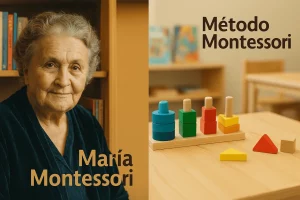
Montessori pedagogy, developed by Dr. María Montessori, is grounded in several essential principles designed to foster a nurturing and student-centered environment. Understanding these principles is crucial for parents, educators, and budding teachers as they navigate this innovative educational approach.
Prepared Environment
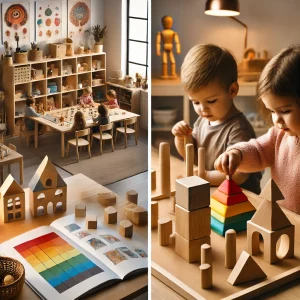
One of the cornerstone principles of Montessori is the “prepared environment.” This concept involves creating a space that encourages exploration and learning. For example, imagine a traditional classroom transformed into a Montessori environment. Instead of rows of desks facing the teacher, the room features activity stations organized for independent learning. Materials are accessible at child-height, inviting students to engage with them freely. This setup allows children to make choices and learn at their own pace, which is a significant shift from conventional teaching strategies.
Autonomy
Autonomy is another key principle. In Montessori environments, children are encouraged to take ownership of their learning. A practical example is when a student teacher designs their first Montessori lesson plan. Instead of dictating what students will learn, they might set up a choice-based activity where learners can select from a variety of projects, focusing on what interests them. This fosters a sense of responsibility and motivation.
Observation
Observation plays a pivotal role in the Montessori method. Educators observe students to understand their needs, interests, and developmental stages. For instance, a teacher might carefully assess a child’s interaction with educational materials before deciding which new activities to introduce. This tailored approach ensures that each child’s unique learning requirements are met. For further insight, parents and educators can refer to our complete guide on Montessori pedagogy.
Sensory Learning
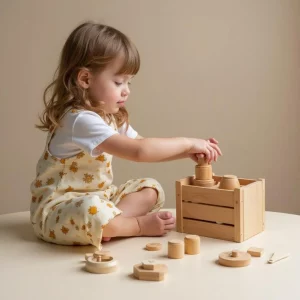
Sensory learning is another critical aspect of Montessori pedagogy, emphasizing hands-on experiences and engaging the senses. Imagine setting up a sensory bin filled with materials like beans, sand, or water. Children can explore different textures, weights, and temperatures, allowing them to learn through direct interaction. This method not only enhances their sensory development but also cultivates curiosity and inquiry.
The Practical Application of Montessori Principles
Implementing Montessori principles can seem daunting, but with a structured approach, it becomes achievable. For parents and educators, the key is adaptation and mindfulness. Transforming a traditional classroom into a Montessori space requires thoughtful planning and an understanding of each child’s unique learning style.
Adapting a Traditional Classroom
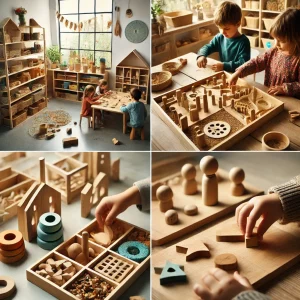
In adapting a traditional classroom setting, consider how to create an inviting environment. Start by decluttering the space, making room for Montessori materials such as practical life tools, sensorial manipulatives, and cultural artifacts. Design areas for individual work, group activities, and quiet reflection, thus catering to diverse learning styles. Incorporate natural elements and use soft colors to foster a calm atmosphere conducive to learning.
Planning a Montessori Environment as a Student Teacher
When planning a Montessori environment, consider a thematic approach to lesson planning. For example, if learning about nature, you might set up an area with plants, natural materials, and related books. Inviting students to engage with real-life materials—like soil and seeds—empowers them to make connections between what they learn in the classroom and the world around them.
Benefits of Montessori Pedagogy for Different Stakeholders
Montessori pedagogy fosters an environment that benefits not only children but also parents, educators, and the broader community. For parents, Montessori education emphasizes the development of lifelong skills, such as problem-solving, collaboration, and independence. Understanding these benefits is essential for advocating for your child’s educational pathway.
Supporting Parents
For parents eager to understand how Montessori can support their children’s growth, it’s vital to engage with their local community. Seeking out resources and networks can lead to meaningful discussions and enhance your understanding. The Understanding the Essence of María Montessori guide offers comprehensive insights to aid parents in navigating this educational approach.
Enhancing Educators’ Effectiveness
Educators can also benefit from embracing Montessori principles. By focusing on child-led learning and observation, they can enhance their teaching effectiveness and foster environments where children thrive. Continuous professional development in Montessori methods provides educators with the tools they need to create engaging, responsive classrooms. Explore our Understanding Montessori series for more insights.
Conclusion: A Path Towards Transformational Education
In conclusion, Montessori pedagogy offers a transformative approach to education. By understanding and implementing its core principles—such as prepared environment, autonomy, observation, and sensory learning—parents and educators alike can cultivate spaces where children flourish. To dive deeper into the Montessori approach and its transformative potential, explore our comprehensive resources available on the Montessori Maria website. Your journey toward understanding and embracing Montessori pedagogy begins now!