Introduction to Montessori Pedagogy
In recent years, many families embarking on the educational journey for their children often find themselves searching for “Montessori near me” or “Montessori school near me.” This search is a common starting point for parents who wish to provide their children with an enriching educational experience rooted in the principles of Montessori pedagogy. Our website features a global Montessori locator, which can help you find local options. You can explore this tool at Montessori near me, where you can also find examples like Montessori schools in Oberursel, Germany.
The Core Principles of Montessori Pedagogy
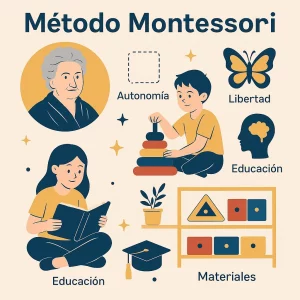
Montessori pedagogy is founded on several key principles that distinguish it from traditional educational methods. These principles include a prepared environment, autonomy, observation, and sensory learning. Understanding these concepts is essential for parents, educators, and future teachers who wish to embrace this dynamic educational approach.
Prepared Environment
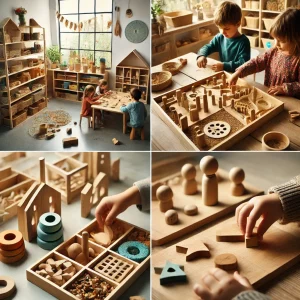
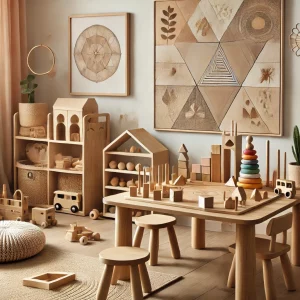
The prepared environment is a cornerstone of Montessori pedagogy. This concept emphasizes the importance of creating a space that is intentionally designed to support children’s learning and development. For instance, in a traditional classroom that is being adapted to incorporate Montessori principles, furniture might be rearranged to facilitate more movement and collaboration among students. Child-sized furniture can be introduced, and materials should be organized on accessible shelves. A well-prepared environment encourages children to engage independently while also promoting cooperative learning opportunities. You can learn more about adapting traditional classrooms by reading our guide to exploring Montessori education.
Autonomy
Autonomy is a vital aspect of Montessori education, allowing children to make choices about their learning. This principle fosters independent thinking, problem-solving skills, and self-discipline. For example, a student teacher planning their first Montessori environment may create a schedule with a selection of activities from which children can choose. This choice empowers children to take charge of their education, enhancing their engagement and motivation. You can read more about fostering autonomy in our comprehensive guide to understanding Montessori pedagogy.
Observation
Observation is a powerful tool in Montessori pedagogy, allowing educators to understand each child’s unique needs and interests. Instead of delivering direct instruction, teachers act as observers and guides. By closely watching how children interact with materials and each other, teachers can tailor their support. For instance, in a mixed-age classroom, a teacher may notice an older student helping a younger peer with a task. Recognizing these interactions can inform future lessons and materials that foster social collaboration and academic growth. For further insights on this principle, check out our article on Maria Montessori’s philosophy.
Sensory Learning
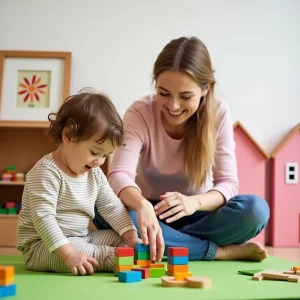
Sensory learning is integral to the Montessori method, emphasizing hands-on experiences that engage the senses. Children learn best when they can touch, feel, and manipulate materials. For example, in a Montessori classroom, children might use tactile materials like sandpaper letters or counting beads to explore language or mathematics. This multisensory approach not only aids comprehension but also reinforces concepts through physical activity. To delve deeper, refer to our complete guide on Montessori pedagogy.
Implementing Montessori Principles in Diverse Settings
Whether you are a parent, educator, or teacher-training student, applying Montessori principles can be transformative, regardless of the educational setting. Here are a few practical applications:
Transforming Traditional Classrooms
Many traditional classrooms can benefit from Montessori principles. For example, a teacher may introduce learning centers where students can explore various subjects, such as art, science, or language, at their own pace. By reorganizing desks into smaller, flexible groupings, students can collaborate and share ideas. A teacher could incorporate natural materials, like plants and rocks, to create a connection with nature and facilitate sensory learning. This adaptation not only engages students but fosters a love for learning.
Training Future Educators
For teacher-training students, understanding Montessori pedagogy is essential for shaping future educational environments. While planning internships or first experiences in a Montessori setting, they can practice observation techniques to learn how to assess students’ needs effectively. By interacting with children in a prepared environment, they can witness firsthand the impact of autonomy and sensory learning, reinforcing the philosophy they are training to adopt. For guidance in teacher preparation, consider reading our article on discovering Montessori.
Conclusion
Montessori pedagogy stands as a powerful alternative to traditional education, rooted in principles that foster autonomy, observation, and sensory learning. Families seeking to provide enriching educational experiences may find the perfect option through resources such as our global Montessori locator at Montessori near me. By embracing these principles, parents, educators, and student teachers can cultivate an environment that nurtures children’s innate desire to learn. Start your journey into Montessori education by exploring the Montessori Maria website for more resources, articles, and guidance.