Introduction to Montessori Pedagogy
As families embark on their educational journey, many begin by searching for “Montessori near me” or “Montessori school near me.” This marks the first step in discovering a holistic approach to education that nurtures a child’s natural desire to learn. At the Montessori Maria website, we provide a global Montessori locator to assist families in finding nearby schools, with examples like Montessori options in Oberursel, Germany.
What is Montessori Pedagogy?
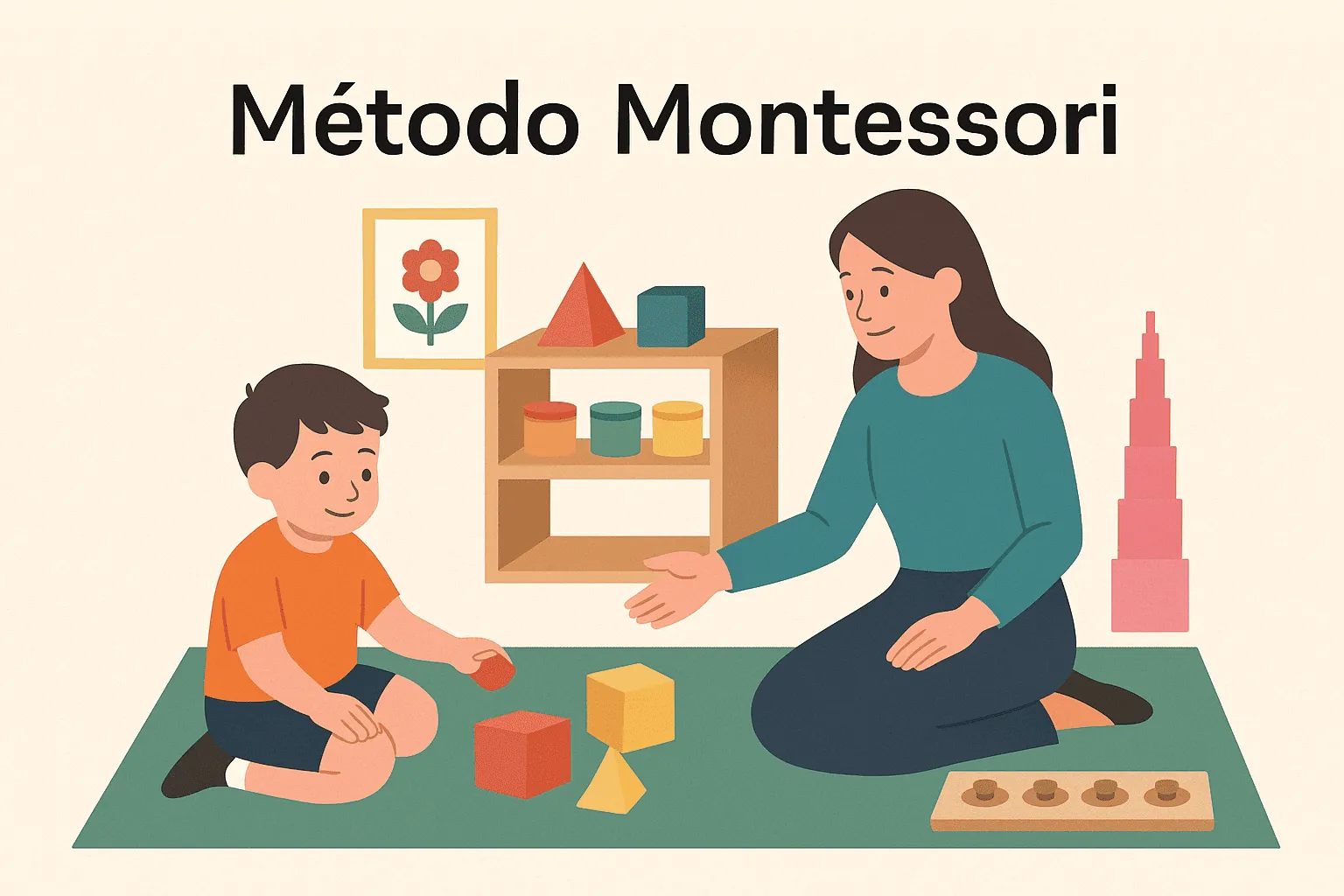
Montessori pedagogy, derived from the methods developed by Maria Montessori, is designed to support children’s natural curiosity and learning styles. This educational approach emphasizes freedom, respect, and a carefully prepared environment, making it a popular choice among progressive educators and parents alike.
Principles of Montessori Pedagogy
Central to the Montessori method are several key principles that guide the learning process:
Prepared Environment
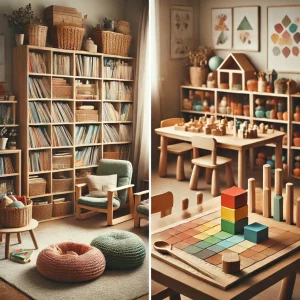
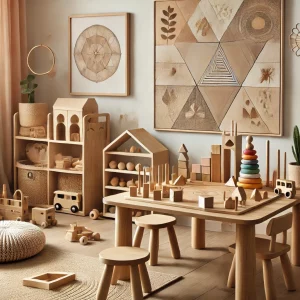
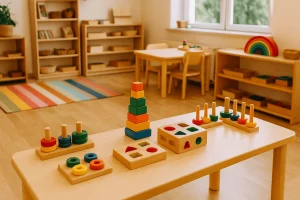
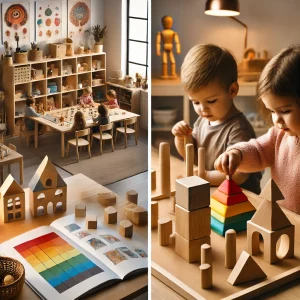
The prepared environment is a cornerstone of Montessori education. It is meticulously organized to ensure that children can independently access materials suited to their developmental needs. An example of adapting a traditional classroom to a Montessori environment might involve removing unnecessary furniture and making space for accessible learning stations. Imagine a former classroom where students would sit at their desks all day. In a Montessori version of this room, you might find low shelves filled with engaging materials, areas for group work, and quiet spaces for individual projects.
Autonomy
Autonomy is encouraged in a Montessori setting as children are given the freedom to choose their activities, fostering a sense of ownership and responsibility for their learning. For instance, a student teacher planning their first Montessori environment might create choice boards that allow children to select activities that interest them. This kind of freedom not only engages students but also nurtures self-discipline as they learn to manage their time effectively.
Observation
Observation is essential in the Montessori classroom, as it allows educators to identify each child’s unique interests and learning pace. For example, a teacher might spend time observing how a child interacts with a particular material, taking notes to tailor future activities accordingly. This form of assessment is non-intrusive and respects the child’s learning journey, offering insights that traditional assessments may overlook.
Sensory Learning
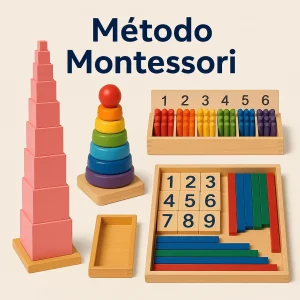
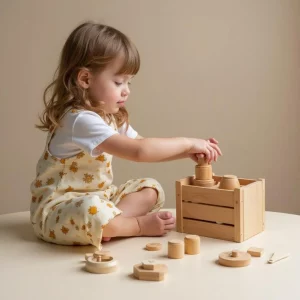
Sensory learning is key in Montessori pedagogy, as it engages multiple senses to enhance understanding and retention. In a practical application, a traditional program might focus solely on reading and writing. In contrast, an adapted classroom might utilize tactile materials, such as sandpaper letters or counting beads, allowing children to experience concepts physically. This hands-on learning helps solidify abstract ideas, making them more relatable and easier to grasp.
Understanding Montessori’s Approach to Learning
Montessori pedagogy revolves around the belief that children are naturally inclined to learn when they are engaged. This philosophy necessitates a shift in perspective for educators and parents alike. It is crucial to let go of the notion that learning must always be led or dictated and instead recognize when children are ready to take charge of their own learning experiences. For further insight into these principles, you can explore our comprehensive guide on Montessori pedagogy.
The Role of Educators and Parents
The role of educators and parents in a Montessori setting is to facilitate rather than dictate. Educators should observe, guide, and provide resources that align with children’s interests and developmental stages. Meanwhile, parents can reinforce the Montessori principles at home by creating an inviting environment that promotes exploration and independence.
Practical Application: Transforming a Classroom
To illustrate the transformation, consider a typical first-grade classroom. The traditional setup may involve rows of desks with direct instruction. In the Montessori adaptation, this classroom could be rearranged with open spaces for collaborative work, low tables allowing for group projects, and cozy corners filled with books and manipulatives. Additionally, children can engage in peer teaching, where they explain concepts to one another, thereby deepening their understanding.
Student Teachers: Planning a Montessori Environment
For those pursuing teacher training in Montessori education, planning your first environment can be both exciting and daunting. Start by assessing the needs and interests of your students. Create zones for different types of activities, such as practical life skills, sensorial experiences, and academic learning. Incorporating natural elements like plants can also enhance the prepared environment. Understanding the introduction to Montessori pedagogy helps in aligning these plans with Montessori principles.
Challenges and Considerations for Implementation
While the Montessori approach offers a treasure trove of benefits, challenges exist in its implementation, particularly in systems accustomed to traditional methodologies. Transitioning educators, parents, and students to a more independent learning model may require support and continuous professional development. Engaging with resources on understanding Montessori pedagogy can help minimize resistance and encourage buy-in from all stakeholders involved.
Final Thoughts
Montessori pedagogy represents a profound shift in educational norms, emphasizing the importance of the child’s ability to learn through self-directed exploration. It fosters an innate love for learning, critical thinking, and independence. As you continue your journey in discovering this educational approach, you can find a wealth of information and resources at the Montessori Maria website. Whether you are a parent, educator, or student teacher, embracing the Montessori principles can significantly impact the learning experiences you provide.
For more articles on Montessori education, explore our resources at Montessori Education: A Comprehensive Guide for Parents and Educators, Understanding the Montessori Method, Exploring the World of Maria Montessori, A Comprehensive Guide for Parents, and Understanding Montessori Pedagogy.