Exploring Montessori: A Starting Point for Families
Many families embark on their educational journey by searching for “Montessori near me” or “Montessori school near me.” This search often leads them to discover the unique approach of Montessori education, which emphasizes child-centered learning. To help parents and educators locate Montessori programs worldwide, our website provides a global Montessori locator at Montessori near me, featuring local examples like Oberursel, Germany. Each Montessori environment is designed to foster independence, creativity, and a love of learning.
The Core Principles of Montessori Pedagogy
At the heart of Montessori education are several key pedagogical principles: the prepared environment, autonomy, observation, and sensory learning. These principles guide educators and parents in creating spaces that allow children to thrive.
The Prepared Environment
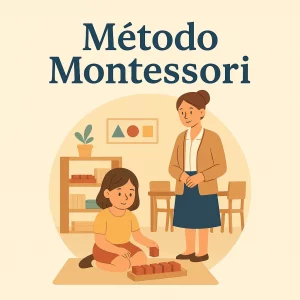
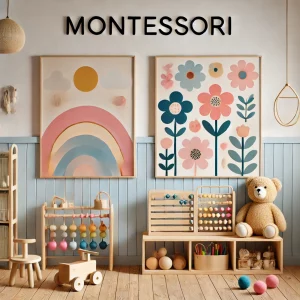
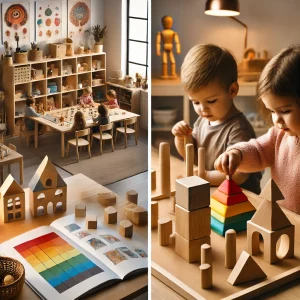
A central tenet of Montessori pedagogy is the prepared environment. This environment is intentionally designed to facilitate self-directed learning. For instance, imagine a traditional classroom being adapted to embrace Montessori principles. Instead of rows of desks facing the teacher, you could arrange tables where children can collaborate on projects or choose activities that interest them. Materials are accessible and thoughtfully placed to encourage exploration and discovery.
Autonomy
Autonomy in learning is crucial in Montessori education. Children are empowered to make choices about what they want to learn and how they want to engage with materials. For example, a student teacher planning their first Montessori environment might offer various activities related to the same topic, such as geography. One child may choose to work with a globe and learn about countries, while another creates a colorful map collage. This freedom fosters independence and strengthens decision-making skills.
Observation
Observation is another essential practice in Montessori education. Teachers act as guides, carefully observing students to understand their interests, readiness, and developmental needs. This insight allows educators to tailor lessons accordingly. For instance, after observing several students showing interest in plant life, a teacher might introduce gardening activities that deepen their understanding of biology and responsibility through hands-on experiences.
Sensory Learning
Montessori also emphasizes sensory learning, which engages children through their senses. For example, in a traditional classroom, students might learn to identify various textures through worksheets. In a Montessori setting, children could touch, smell, and manipulate different natural materials, such as sand, water, or plants, enriching their learning experience and aiding their understanding of concepts like texture, weight, and volume.
Implementing Montessori Principles in Diverse Settings
Whether you’re a parent, educator, or a student in teacher training, it’s essential to understand how to implement these principles effectively. Here are some practical examples and strategies.
Adapting a Traditional Classroom
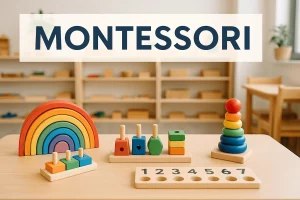
To adapt a traditional classroom to a Montessori environment, start small: incorporate a corner with Montessori materials. This space can include items that promote hands-on learning, such as puzzles, building blocks, and art supplies. Additionally, foster a sense of community by encouraging teamwork and collaboration through group projects that reflect real-world scenarios.
Planning a Montessori Environment for Student Teachers
For student teachers planning their first Montessori environment, it’s important to reflect on the community’s needs. Collaborating with other educators can provide valuable feedback and insights. Moreover, remember to include various age-appropriate and diverse materials to cater to different learning styles, ensuring inclusivity and engagement.
Further Learning and Resources
For those seeking to delve deeper into Montessori pedagogy, consider exploring the guía completa sobre la pedagogía Montessori, which outlines the transformative approach to education. Additionally, an introducción a la pedagogía Montessori offers foundational insights and principles that can benefit both educators and parents.
Understanding the Legacy of María Montessori
To fully appreciate Montessori pedagogy, it’s vital to understand its origin and development. María Montessori’s innovative approach revolutionized education, emphasizing respect for the child’s natural development and autonomy. You can learn more about her life and methodology by visiting María Montessori, where you’ll find insights into her philosophy and impact on modern education.
Conclusion
Montessori pedagogy offers powerful tools and principles that empower children to learn and grow independently. As parents, educators, and future teachers, understanding and applying these principles can transform educational settings and nurture a love of learning in children. For more resources, you can explore the Understanding Montessori Education: A Guide for Parents and Educators, or visit our homepage for additional insights and articles on this enriching educational method at the Montessori Maria website.