Introduction to Montessori: Finding Your Path
Many families embark on their education journey by searching for “Montessori near me” or “Montessori school near me.” These searches often signify a desire for holistic education that nurtures children’s natural abilities. Our website offers a global Montessori locator, enabling you to discover important resources that can guide you in finding Montessori programs near you, like Montessori near me or specific examples such as Oberursel, Germany. This article aims to shed light on the essential principles of Montessori pedagogy and how they can be implemented effectively in educational settings.
The Principles of Montessori Pedagogy
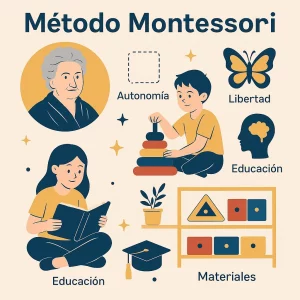
Montessori pedagogy is built upon several core principles that promote a dynamic and child-centered approach to learning. These principles include the prepared environment, autonomy, observation, and sensory learning. Each of these components is crucial for cultivating an effective learning atmosphere.
Prepared Environment
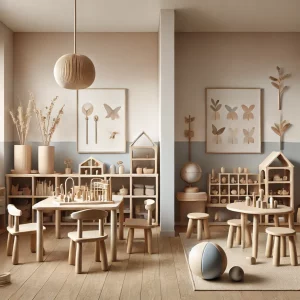
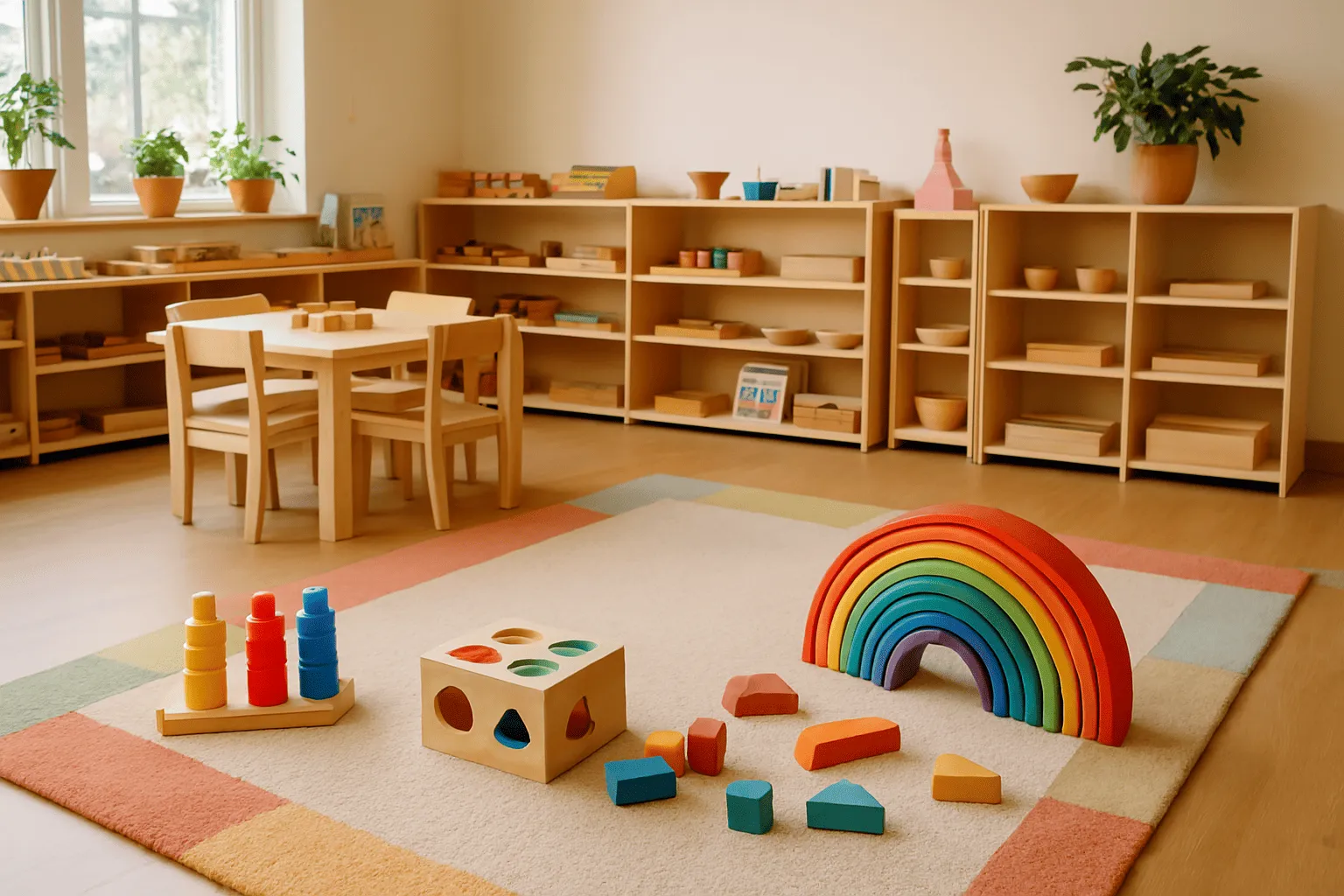
The prepared environment serves as a foundation for Montessori learning. It is designed to be stimulating, orderly, and tailored to the needs of the children. For instance, a traditional classroom can be adapted by creating distinct learning areas, each focused on a specific skill or subject. Manipulative materials, books, and resources should be accessible to students, encouraging exploration. In a recently revamped classroom, teachers could arrange a reading nook with comfortable seating, a science area with hands-on experiments, and an art corner fully stocked with supplies. Such an environment invites children to engage with materials and each other freely, fostering collaborative learning.
Autonomy
Autonomy is a key element in Montessori education, allowing children the freedom to choose their activities and learn at their own pace. Imagine a student teacher planning their first Montessori environment; understanding the balance between providing guidance and allowing freedom is essential. They might create a schedule where students can select tasks from a variety of subjects, such as math, language, or cultural studies, and move between activities as they complete them. This respect for children’s independence enhances their motivation and self-discipline.
Observation
Observation is the cornerstone of understanding children’s needs. By observing children, educators can identify their interests and developmental stages, ensuring they tailor learning opportunities effectively. Consider a teacher who observes a child’s fascination with insects. This insight could lead to a planned unit on biology that integrates hands-on activities, stories, and outdoor exploration, allowing the child to dive deeper into their interest and learn in an engaging way.
Sensory Learning
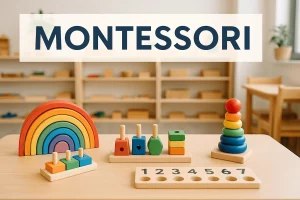
Montessori also emphasizes sensory learning. It acknowledges that young children learn through their senses, making it imperative to incorporate sensory experiences into lessons. For example, a math lesson could use tangible materials like beads or blocks to illustrate concepts of addition and subtraction. Children can physically manipulate these objects, making abstract concepts more concrete. By doing so, they not only understand mathematical principles but also develop fine motor skills and tactile awareness.
Implementing Montessori Principles in Various Contexts
Educators and parents can implement Montessori principles by embracing strategies that support active learning. Here are some practical examples:
Transforming a Traditional Classroom
For teachers transitioning from a traditional classroom setting, the integration of Montessori principles can begin with small changes. Creating a classroom library with diverse literature, setting up learning stations that cater to different subjects, and organizing materials that promote independence will help shift the classroom atmosphere. Teachers can foster a Montessori spirit by encouraging peer teaching, where children explain concepts to each other, nurturing both confidence and collaboration.
Supporting New Montessori Educators
For new Montessori educators, understanding the importance of training is fundamental. Engaging with focused programs that emphasize observational techniques and the development of a prepared environment can set the stage for success. The link to the guía completa sobre la pedagogía Montessori offers valuable insights into building this expertise.
Maria Montessori: The Pioneer of Child-Centered Education
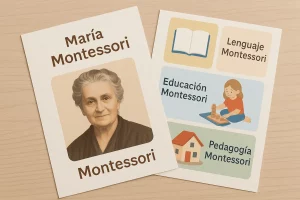
To truly appreciate Montessori pedagogy, one must understand the influence of María Montessori. She believed in empowering children through education tailored to their developmental needs. Her innovative approach challenged traditional methods and set the stage for a new way of thinking about learning and classrooms.
Resources for Parents and Educators
Parents and educators seeking to understand Montessori further should explore several resources available through the Montessori Maria website. Articles such as A Comprehensive Guide to Montessori Education for Curious Parents and Understanding Montessori Pedagogy can offer further insights into best practices and historical context.
Lasting Impact of Montessori Principles
Montessori education’s lasting impact is evident in successful programs worldwide. By focusing on the prepared environment, autonomy, observation, and sensory learning, we can cultivate environments that respect and promote the unique potential within each child. Transitioning into a Montessori approach may seem daunting, but with resources and dedication, the rewards can be profound for both educators and learners.
Conclusion
In conclusion, understanding and implementing Montessori principles requires openness, patience, and a commitment to continuous learning. Parents, educators, and teacher-training students can explore pathways to Montessori education by seeking local programs through our Montessori locator or engaging with further educational content on the website. Armed with this knowledge, we can all contribute to a nurturing educational landscape that values the individual journey of every child.